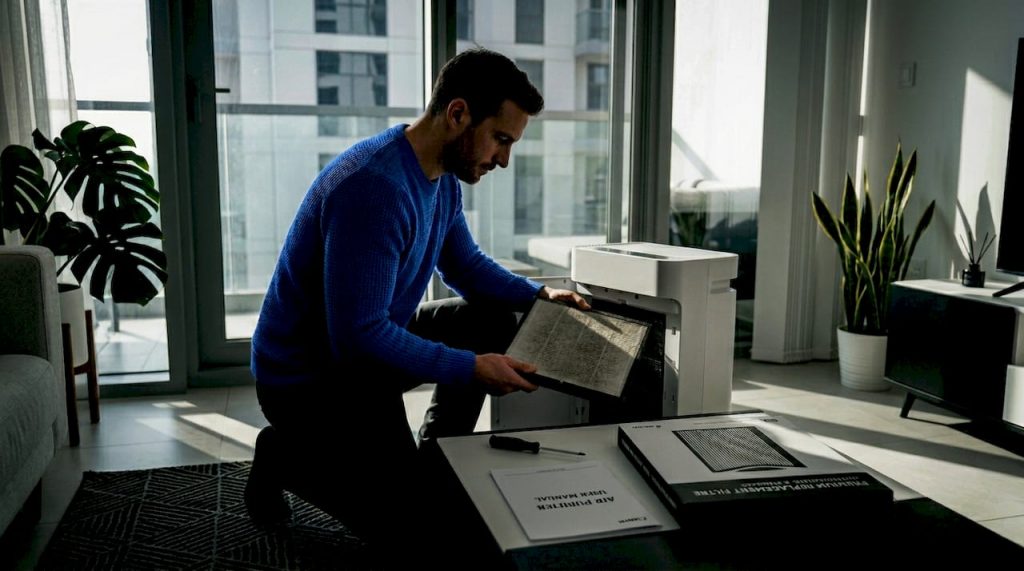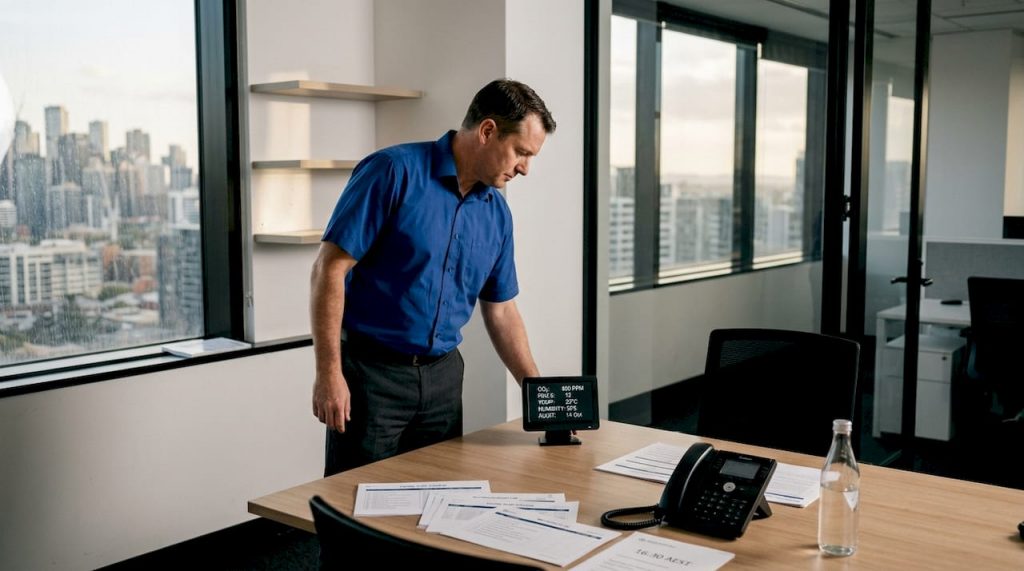
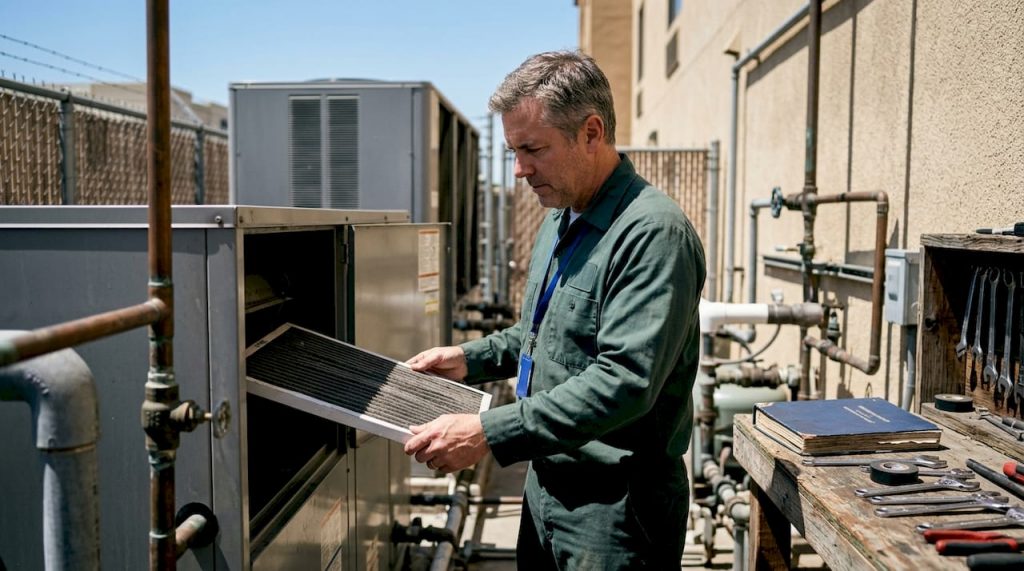
Air filters in hotels are defined as mechanical or electrostatic media installed within HVAC systems and standalone purifiers to capture airborne particulates, allergens, and biological contaminants before they reach occupied spaces. The role of air filters in hotels extends well beyond basic dust removal. Effective filtration directly shapes guest respiratory comfort, reduces complaint rates, and protects HVAC equipment from premature failure. For hotel managers and facilities teams, understanding air filter fundamentals is a measurable operational priority, not a background maintenance task.
What types of air filters are used in hotels and how do they compare?
Filter efficiency in hotel HVAC systems is rated using the Minimum Efficiency Reporting Value (MERV) scale. The MERV rating indicates what percentage of airborne particles a filter captures at a given size range. Choosing the right rating is one of the most consequential decisions a facilities manager makes.
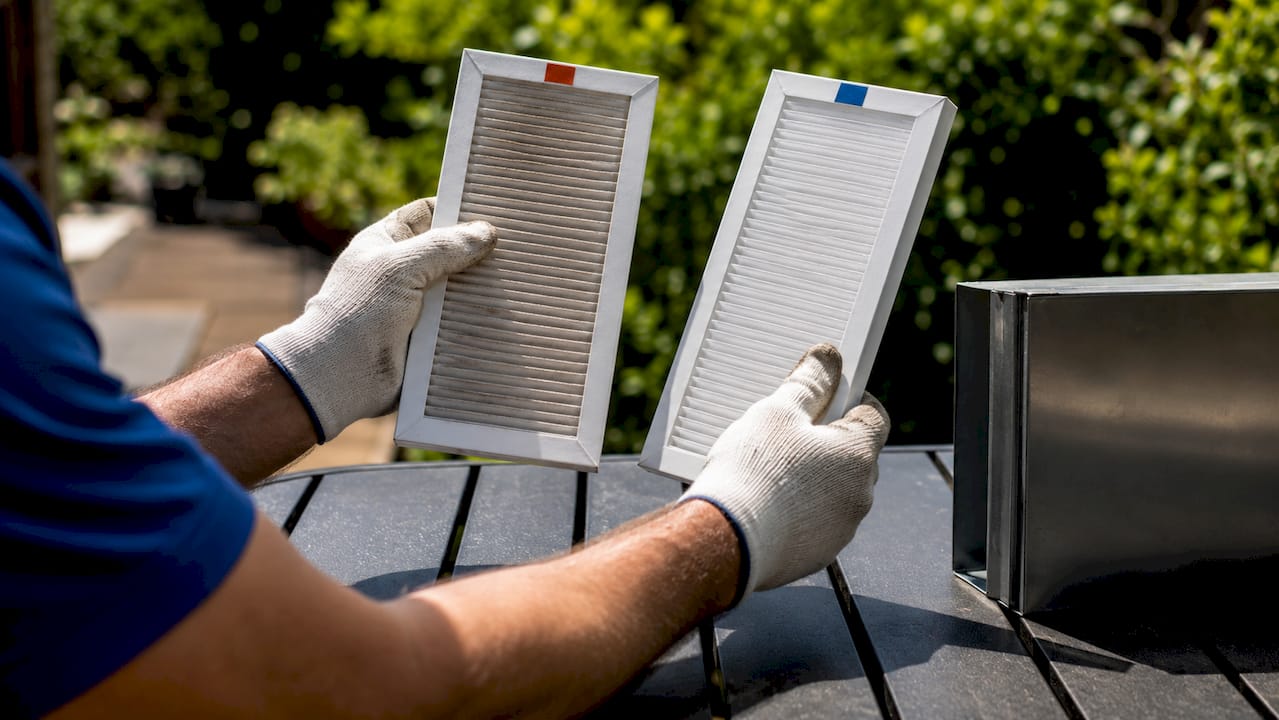
MERV 8–11 filters capture 20–40% of fine particulates and suit standard hotel rooms with moderate occupancy. They cost approximately $20 per unit and create minimal resistance to airflow. MERV 13 filters capture 75% or more of fine particulates, including many airborne pathogens and allergens. That performance comes at roughly $80 per unit and requires careful attention to system pressure.
| Filter grade | MERV rating | Particle capture | Approx. cost | Best suited for |
|---|---|---|---|---|
| Standard | MERV 8–11 | 20–40% | ~$20 | Mid-tier rooms, back-of-house |
| High efficiency | MERV 13 | 75%+ | ~$80 | Luxury rooms, allergy-sensitive guests |
Luxury properties increasingly specify MERV 13 to meet guest expectations for clean air. The trade-off is increased static pressure across the filter, which can restrict airflow if the HVAC blower motor is not rated for the added resistance. Higher efficiency filters without system verification can cause airflow restrictions and reduced HVAC capacity, leading to guest discomfort and equipment strain.
Pro Tip: Before upgrading to MERV 13, have your engineering team verify the blower motor rating and consider a 4-inch filter housing retrofit to maintain adequate airflow across all rooms.
How should hotels maintain air filters to sustain air quality?
Maintenance quality determines whether a hotel’s filtration investment delivers real results. Equipment alone does not protect guests. A disciplined, structured maintenance programme does.
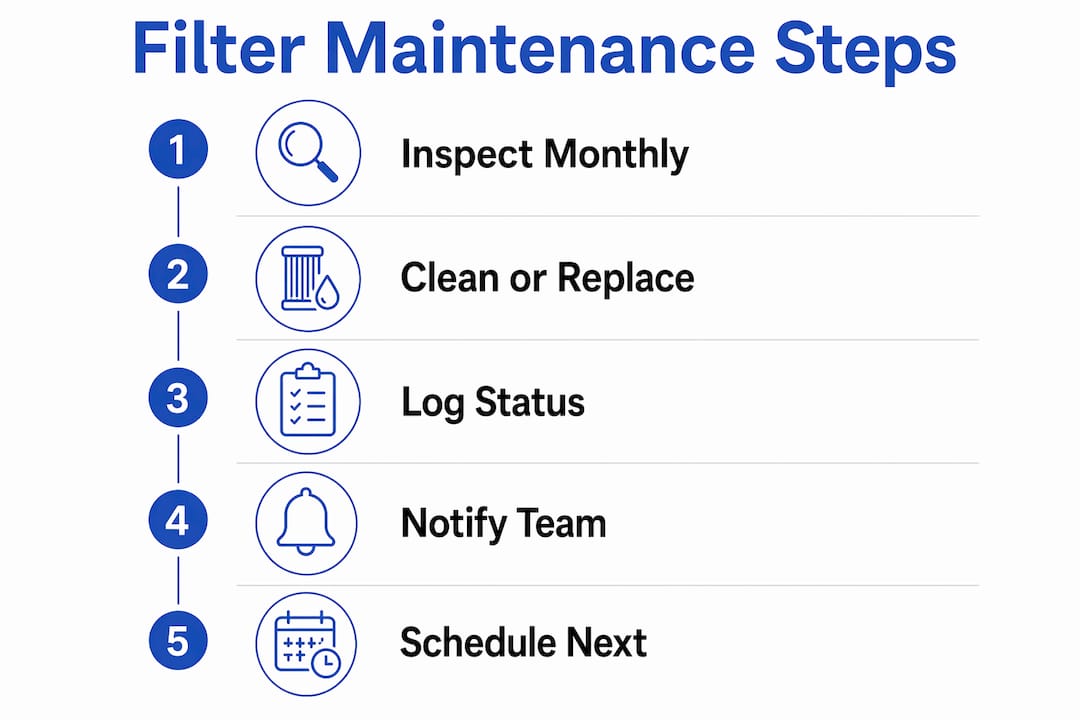
The standard minimum for filter inspection in hotel PTAC and fan coil unit (FCU) systems is monthly. High-occupancy rooms, smoking-designated floors, and pet-friendly areas require bi-weekly filter checks to prevent rapid clogging. Missing these intervals causes 30–40% cooling and heating capacity loss within 2–3 months. Emergency coil cleaning to recover that capacity costs $200–$400 per unit, a preventable expense.
Calendar-based replacement schedules are a common but flawed approach. Pressure differential monitoring provides the only reliable indicator for timely filter changes, adapting to actual occupancy and environmental conditions rather than fixed dates. A filter in a fully booked conference hotel during peak season clogs far faster than the same filter in a quiet wing during low season.
A clear division of responsibilities between departments is equally critical:
- Housekeeping conducts visual filter checks during room servicing, noting visible dust loading or indicator light alerts on standalone purifiers.
- Engineering performs scheduled filter replacements, pressure differential readings, and coil inspections on PTAC and FCU units.
- Facilities management reviews maintenance logs monthly, tracks complaint data, and schedules deep-clean cycles based on pressure trends.
- General management sets the replacement budget and approves filter grade upgrades based on guest feedback and occupancy data.
Separating Housekeeping and Engineering responsibilities prevents guesswork, ensures filter status awareness across shifts, and prompts timely replacements before air quality degrades.
Pro Tip: Specify standalone air purifiers with visible indicator lights and tool-free filter access panels. This design supports Housekeeping’s quick visual checks without requiring Engineering to be present for every inspection.
What impact do air filters have on guest comfort and operational costs?
Proper filtration produces measurable outcomes across guest satisfaction and facility budgets. The connection between filter condition and guest experience is direct and well documented.
Effective filter maintenance links to fewer HVAC failures, reduced guest complaints, and better online reviews. Guests with respiratory sensitivities, allergies, or asthma notice poor air quality within hours of check-in. A single negative review citing musty odours or stuffiness can affect booking decisions for future guests.
The operational cost benefits are equally significant:
- Reduced emergency repairs. Avoiding capacity loss from clogged filters prevents costly emergency coil cleaning at $200–$400 per unit.
- Extended equipment lifespan. Clean filters reduce strain on blower motors and coils, extending HVAC service life.
- Lower energy consumption. Unrestricted airflow allows HVAC systems to reach set temperatures faster, reducing run time and energy draw.
- Fewer guest complaint escalations. Consistent air quality reduces the volume of front desk complaints requiring room changes or compensation.
- Improved pathogen and allergen control. Higher-grade filters reduce airborne biological contaminants, supporting healthier room environments.
Air quality in hotels is increasingly factored into guest satisfaction scores on platforms like TripAdvisor and Booking.com. Hotels that treat filtration as a guest experience asset, not just a maintenance task, see the return in review quality and repeat bookings.
How to select air filtration solutions for different hotel spaces
Not every hotel space has the same filtration requirement. Applying a single filter specification across guest rooms, lobbies, event spaces, and back-of-house areas is a common and costly mistake.
Guest rooms and sleeping areas demand the highest filtration grade and the lowest noise output. A MERV 13 filter in a quiet FCU unit, or a standalone purifier operating below 35 decibels, meets both requirements. Public lobbies and reception areas handle higher air volumes and tolerate more noise, making larger HVAC-integrated systems with MERV 11 filters practical. Event and conference spaces with variable occupancy benefit from CO2-triggered ventilation adjustments combined with MERV 13 filtration to manage peak particle loads.
Real-world air purifier efficacy varies significantly by device placement and room air mixing, with particulate reduction ranging 19–37% across different configurations. That range shows why manufacturer claims require careful interpretation. A purifier rated for 50 square metres placed in a corner of a 60-square-metre room with poor air circulation will underperform its specification.
Key selection criteria by space type:
- Guest rooms: MERV 13 or HEPA-grade standalone purifier, noise below 35 dB, tool-free filter access.
- Lobbies and reception: MERV 11 HVAC-integrated filtration, high airflow capacity, central monitoring.
- Event spaces: MERV 13 with CO2 sensor integration, portable supplemental purifiers for peak occupancy.
- Back-of-house: MERV 8 minimum, monthly inspection schedule, focus on dust and odour control.
Matching purifier specifications to the hotel’s specific space and noise requirements, rather than relying only on filter labels like HEPA, produces consistent results across the property.
What are effective IAQ assessment and monitoring strategies for hotels?
Indoor air quality (IAQ) assessment is the starting point for any data-informed filtration decision. Purchasing equipment without a site assessment risks spending on solutions that do not address the actual air quality challenges in a given property.
Comprehensive IAQ assessments for hotels typically cost $150–$300 and include humidity measurement, coil inspection, HVAC sizing review, and a priority report. That investment prevents the far more expensive mistake of installing unsuitable equipment across dozens of rooms. A property in Dubai, for example, faces different humidity and dust challenges than a hotel in a temperate climate, and the assessment should reflect those conditions.
Key metrics to monitor on an ongoing basis include:
- CO2 concentration. Elevated CO2 signals inadequate ventilation and prompts filter inspection or airflow adjustment.
- Relative humidity. Levels outside 40–60% promote mould growth or static buildup, both of which affect guest comfort.
- Particle counts. PM2.5 and PM10 readings indicate filter loading and guide replacement timing.
- Pressure differential across filters. The most direct indicator of filter condition and the trigger for replacement.
IAQ data integrated into maintenance workflows improves air quality outcomes and reduces energy waste by preventing both premature filter replacement and the opposite problem of running clogged filters too long. Sensor alerts tied to maintenance ticketing systems allow Engineering to respond to real conditions rather than fixed schedules.
Key takeaways
Air filter effectiveness in hotels depends on matching filter grade to space requirements, monitoring pressure differentials rather than calendars, and maintaining clear responsibilities between Housekeeping and Engineering.
| Point | Details |
|---|---|
| Match filter grade to space | Use MERV 13 for guest rooms and MERV 8–11 for back-of-house to balance performance and cost. |
| Monitor pressure, not dates | Pressure differential sensors trigger timely replacements and prevent 30–40% capacity loss. |
| Divide maintenance responsibilities | Housekeeping handles visual checks; Engineering manages replacements and pressure readings. |
| Assess before purchasing | A $150–$300 IAQ assessment prevents costly equipment mismatches across the property. |
| Verify system capacity before upgrading | Confirm blower motor ratings before moving to higher-efficiency filters to avoid airflow restrictions. |
Why maintenance discipline matters more than equipment grade
Hotels often focus the bulk of their IAQ budget on equipment upgrades, specifying MERV 13 filters or HEPA-grade purifiers, and then under-invest in the maintenance systems that make those products work. I’ve seen this pattern repeatedly across commercial properties. The filter grade on the specification sheet means very little if the replacement schedule is calendar-based and the responsibility for checking it is unclear between departments.
The shift to pressure differential monitoring is the single most impactful operational change a facilities team can make. It removes the guesswork from filter management and ties replacement decisions to actual conditions. When Engineering can see that a filter in a high-occupancy room has reached its pressure limit after three weeks rather than the scheduled four, they act on data, not assumptions. That responsiveness is what keeps guest complaints low and HVAC systems running efficiently.
The division between Housekeeping and Engineering is equally underrated. When both departments share vague responsibility for filter condition, neither acts with confidence. Assigning Housekeeping the visual check and Engineering the replacement creates accountability at both levels. Hotels that implement this structure, combined with sensor-driven alerts, consistently outperform those relying on centralised maintenance schedules alone.
— Nevel
Air filtration products for hotels from Climatepro
Climatepro supplies hotel managers across the UAE with air purifiers and replacement filters suited to the demands of commercial hospitality environments.

The Honeywell Air Touch P2 and Honeywell Air Touch U1 are well-suited to guest room installations, offering high-efficiency filtration with quiet operation. For properties requiring a broader range of filtration grades, Climatepro’s full air purifier catalogue includes Blueair models with replacement filter options such as the Blueair Classic 400 Series DualProtection Filter, keeping maintenance costs predictable. Climatepro delivers across Dubai, Abu Dhabi, Sharjah, and all UAE emirates.
FAQ
What MERV rating is recommended for hotel guest rooms?
MERV 13 is the recommended rating for hotel guest rooms, capturing 75% or more of fine particulates including allergens and airborne pathogens. Verify your HVAC blower motor rating before upgrading to avoid airflow restrictions.
How often should hotel air filters be replaced?
Monthly inspection is the minimum standard for most hotel HVAC units. High-occupancy rooms, smoking floors, and pet-friendly areas require bi-weekly checks. Pressure differential monitoring is more reliable than fixed calendar schedules.
What happens if hotel air filters are not changed on time?
Missed filter changes cause 30–40% cooling and heating capacity loss within 2–3 months. Emergency coil cleaning to restore capacity costs $200–$400 per unit and disrupts guest room availability.
How much does an IAQ assessment cost for a hotel?
A comprehensive indoor air quality assessment for a hotel typically costs $150–$300. The assessment covers humidity measurement, HVAC sizing, and coil inspection, and prevents costly equipment mismatches.
Do standalone air purifiers perform as well as HVAC-integrated filters in hotel rooms?
Real-world particulate reduction from standalone purifiers ranges 19–37% depending on device placement and room air mixing. Correct placement and room-size matching are as important as the filter grade specified by the manufacturer.
Recommended
- Hotel indoor air quality guide for managers — Blog | ClimatePro UAE
- Commercial air quality solutions for UAE property managers — Blog | ClimatePro UAE
- Air filter replacement: a clear step-by-step workflow — Blog | ClimatePro UAE
- Office air quality improvement: top 10 strategies — Blog | ClimatePro UAE