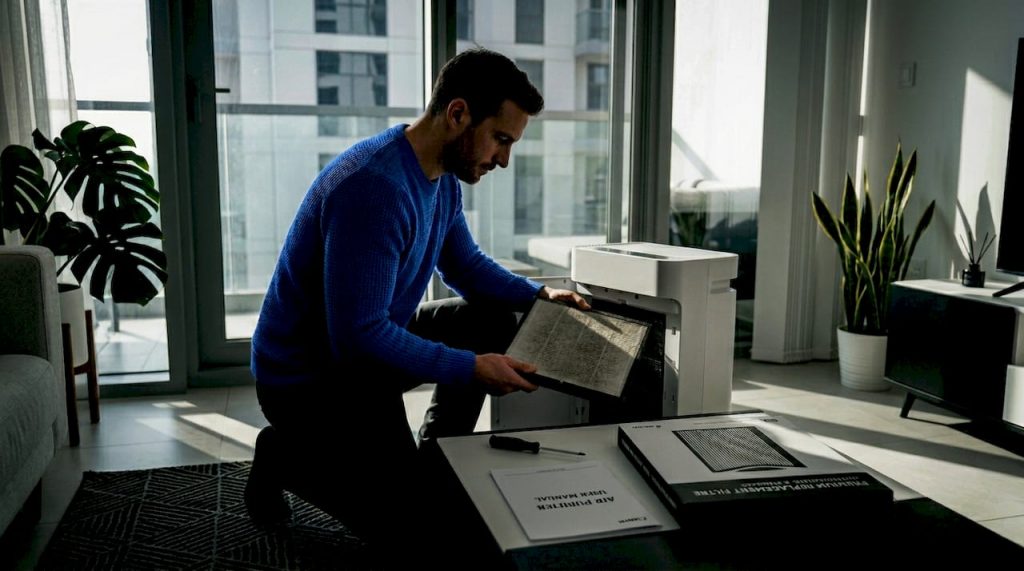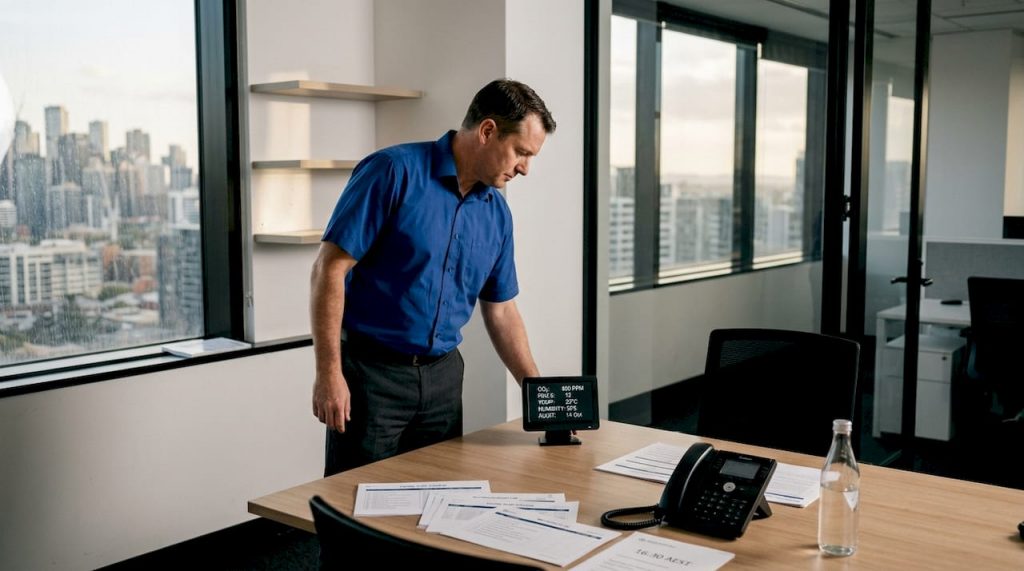
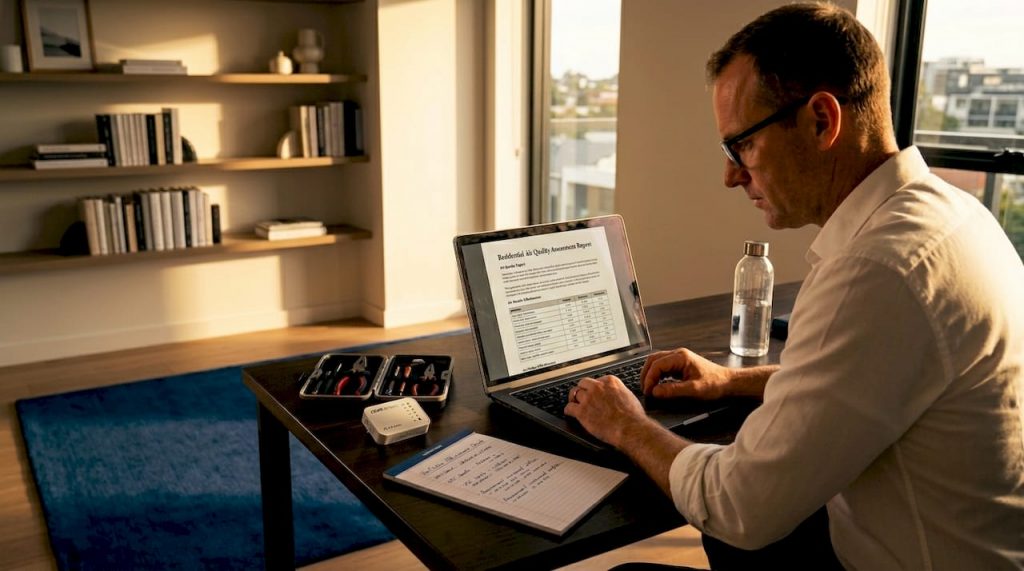
Purchasing an air purifier and calling it done is one of the most common mistakes UAE property owners make. The reality is that indoor air quality problems in the region, from fine dust infiltration to high humidity and VOC build-up in tightly sealed buildings, rarely have a single-product fix. Expert-led assessment, systematic monitoring, and coordinated design are what separate genuinely improved air from air that merely feels like it should be better. This article outlines exactly what air solution experts do, why their methodology matters, and how their work translates into practical results for homes, offices, clinics, and commercial properties across the UAE.
Table of Contents
- What air solution experts actually do in UAE projects
- The evidence-based methodology: From monitoring to reporting
- Design and commissioning: Getting the foundations right for your IAQ
- Beyond the basics: Limits of prescriptive ventilation and the importance of holistic approaches
- The uncomfortable truth about indoor air: What homeowners and managers usually miss
- Explore expert-vetted air quality solutions for your UAE property
- Frequently asked questions
Key Takeaways
| Point | Details |
|---|---|
| Consultative expert approach | Air solution experts assess, design and coordinate solutions, not just sell products. |
| Evidence-based workflow | Experts follow a systematic process from inspection to detailed reporting, ensuring measurable results. |
| Holistic IAQ design | Early coordination and commissioning across teams prevent misaligned systems and costly mistakes. |
| Beyond ventilation rates | True indoor air quality hinges on verified contaminant control, not just prescriptive airflow rules. |
| Practical application | Expert guidance connects homeowners and managers to actionable, tailored solutions for healthier air. |
What air solution experts actually do in UAE projects
The term “air solution expert” covers a range of responsibilities that go well beyond recommending products. In UAE project contexts, these professionals operate as consultative engineers. They assess needs, design solutions, plan coordination, document scope, and report against budget and performance targets. Their work spans the full project lifecycle, from first site visit to final sign-off.
For residential properties, the focus tends to be on identifying pollutant sources, matching filtration to specific contaminant profiles, and ensuring ventilation systems work as intended. For commercial spaces such as hotels, clinics, or office buildings, the scope expands significantly. System integration, occupancy load modelling, and compliance with local standards all become part of the brief.
How expert projects differ from simple product buying:
- Experts begin with structured needs assessment, not product selection
- Site conditions, building age, HVAC configuration, and occupant usage patterns are all documented before any solution is proposed
- Solutions are validated against performance targets, not just installed and left
- Reporting creates an audit trail for building managers and owners
- Ongoing review and adjustment are built into the engagement from the start
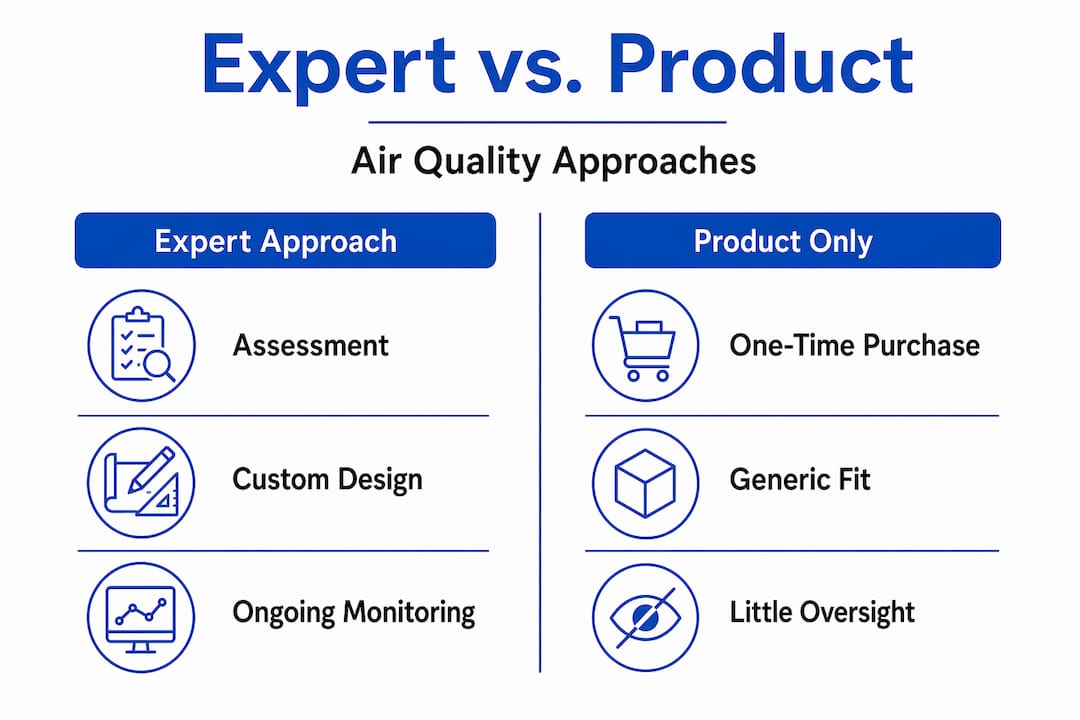
The table below illustrates the key differences between a consultative expert approach and a standard product-purchase approach:
| Factor | Expert-led approach | Product-purchase approach |
|---|---|---|
| Needs identification | Structured site assessment | Assumed from symptoms |
| Solution basis | Evidence from monitoring and analysis | Product specification sheets |
| System coordination | Multi-trade coordination included | Typically not considered |
| Performance verification | Commissioning and validation | No formal verification |
| Reporting | Written findings and action plan | None |
| Ongoing support | Review cycles built in | Reactive only |
Understanding air changes per hour is one specific area where expert calculation adds genuine value that product selection alone cannot provide. Getting this figure right for a given room or building zone directly determines whether filtration equipment is undersized, oversized, or appropriately specified.
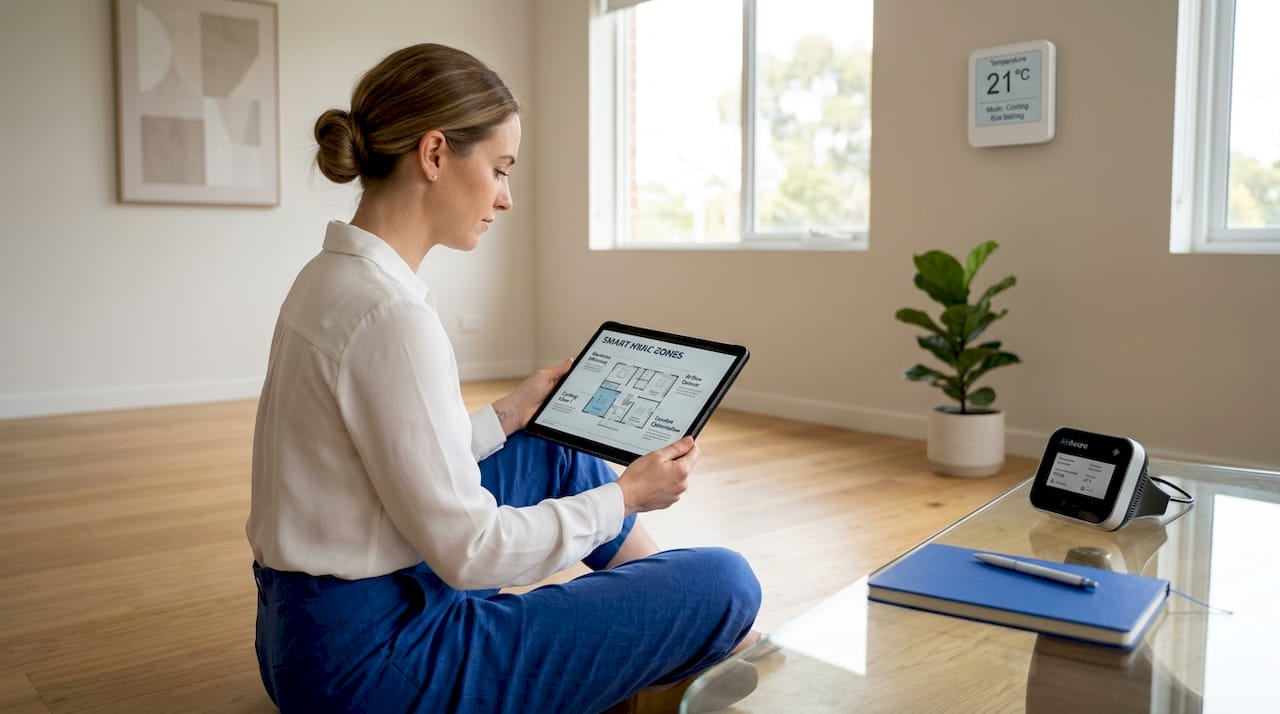
For UAE homeowners managing smart climate control across multiple rooms or zones, expert input also ensures that automation settings align with actual indoor air conditions rather than generic factory defaults.
The evidence-based methodology: From monitoring to reporting
Now that we know the expert’s job, let us look at how a scientific methodology turns observations into reliable solutions.
A structured indoor air quality process follows a defined sequence. According to the IAQ testing methodology used by experienced practitioners, the full expert process covers consultation, monitoring, sampling, lab analysis, results interpretation, and a comprehensive written report. Each stage builds on the last, and skipping any step introduces gaps that can lead to ineffective or even counterproductive interventions.
The expert IAQ assessment process, step by step:
- Initial consultation and site review. The expert interviews occupants or facility managers to understand symptoms, concerns, and usage patterns. Building plans and HVAC documentation are reviewed where available.
- Physical site inspection. The expert walks through the space, checking ventilation inlets and outlets, identifying potential pollutant sources, and noting any visible moisture, mould, or damage.
- Calibrated air monitoring. Using calibrated instruments, the expert measures key parameters in real time. These typically include PM2.5, PM10, CO₂, total volatile organic compounds (TVOCs), temperature, and relative humidity.
- Air sampling. Depending on the suspected contaminants, physical samples may be collected. These could include surface swabs for mould or settled dust, or canister samples for laboratory VOC analysis.
- Laboratory analysis. Collected samples are sent to an accredited laboratory. This step provides the specificity and accuracy that field instruments cannot always deliver, particularly for complex chemical contaminants.
- Interpretation of results. Raw data is compared against relevant benchmarks, such as WHO guidelines, ASHRAE standards, or local UAE regulations. Expert interpretation accounts for building context, not just whether a number is above or below a threshold.
- Comprehensive written report. Findings, identified risks, and prioritised recommended actions are documented in a written report. This report becomes the basis for any subsequent design or remediation work.
The table below shows typical parameters measured during a UAE IAQ assessment and common thresholds used for reference:
| Parameter | Typical benchmark | Why it matters in UAE |
|---|---|---|
| PM2.5 | WHO: 15 µg/m³ (24-hour mean) | Desert dust events frequently push outdoor levels higher, increasing indoor infiltration |
| CO₂ | ASHRAE: below 1,000 ppm in occupied spaces | Sealed buildings with insufficient fresh air show rapid CO₂ build-up |
| TVOCs | Below 300 µg/m³ (general occupancy) | New fit-outs and furnishings are common TVOC sources in UAE properties |
| Relative humidity | 40 to 60 percent for general comfort | UAE indoor humidity varies widely; too low causes respiratory irritation, too high promotes mould |
| Temperature | 21 to 26°C for comfort | Affects occupant perception and contaminant off-gassing rates |
Pro Tip: Sensor placement is not arbitrary. Placing a CO₂ sensor near a ventilation inlet will consistently underread actual occupant-zone levels. Expert-placed sensors reflect where people breathe, not where clean air enters.
Understanding air cleaning technologies in context allows experts to match the right solution to specific contaminants identified through monitoring. Similarly, monitoring AQI at home gives ongoing visibility into whether interventions are working as intended.
For residents in apartments, expert-informed guidance on how to improve air quality goes well beyond product lists and addresses the building-level factors that individual units cannot control on their own.
Design and commissioning: Getting the foundations right for your IAQ
With methodology clear, let us look at how expert-driven design and commissioning establish the foundations for healthy indoor air.
One of the most common and costly errors in UAE building projects is treating IAQ as an afterthought. HVAC systems get designed for thermal comfort, fit-outs introduce new VOC sources, and no one checks whether the final configuration actually delivers adequate fresh air to occupied zones. Expert guidance addresses this directly.
According to IAQ design tools developed by the US Environmental Protection Agency, effective IAQ design is fundamentally a team process and a commissioning process, not simply product selection. Early goal-setting and coordinated design are emphasised as the critical factors that prevent misalignment between building systems.
What expert-led IAQ design involves:
- Establishing IAQ performance goals before design decisions are made
- Reviewing mechanical, electrical, and fit-out specifications for IAQ implications
- Coordinating with HVAC engineers, interior fit-out contractors, and building management
- Selecting products and systems based on verified performance data, not marketing claims
- Defining commissioning criteria, the specific measurements that confirm a system is working as designed
- Conducting post-occupancy verification once the building is in use
Commissioning is verification, not just installation. A filter installed in the wrong orientation or a fan running at the wrong speed can negate the entire investment in air quality equipment. Expert commissioning catches these issues before occupants move in.
Calculating the correct air changes per hour for each zone is a commissioning-phase task that requires both accurate measurement and expert interpretation. Without this step, there is no reliable basis for claiming that a space meets any indoor air quality standard.
Pro Tip: For commercial fit-outs in the UAE, request a commissioning report from any IAQ contractor before final handover. If they cannot provide one, that is a significant warning sign about the quality of their work.
The cost and complexity benefits of getting design right early are substantial. Retrofitting ventilation improvements after occupancy is significantly more expensive and disruptive than incorporating them into the original design. Experts who engage early in the project lifecycle consistently deliver better outcomes at lower total cost.
Beyond the basics: Limits of prescriptive ventilation and the importance of holistic approaches
Commissioning sets the stage, but truly healthy air requires looking beyond standard ventilation rules to richer expert approaches.
A common assumption is that if a building meets the prescribed outdoor air supply rate, its indoor air quality is acceptable. This is not always the case. Experts in the field recognise that prescriptive ventilation rates can be limiting, and that IAQ control should sometimes focus on contaminant verification rather than fixed airflow targets alone.
Why does this matter in practice? A space can meet its design airflow rate and still have elevated formaldehyde levels from new furniture, or high particulate concentrations from an adjacent construction site infiltrating through unsealed building envelopes. Airflow targets were set based on average occupant metabolic load, not on every possible contaminant source a modern building might harbour.
Situations where fixed ventilation rates alone are insufficient:
- Buildings located near high-traffic roads or construction sites, where outdoor air brings more pollution than it removes
- Newly renovated spaces where off-gassing from materials elevates TVOC levels for weeks or months
- Healthcare and childcare facilities where pathogen and allergen control requires filtration beyond standard ventilation
- Spaces with variable occupancy, where a fixed supply rate is either wasteful or inadequate depending on the day
Statistic callout: In tightly sealed high-rise buildings in Dubai and Abu Dhabi, indoor VOC concentrations can reach two to five times outdoor levels due to off-gassing from furnishings and building materials, even when ventilation rates nominally meet design specifications.
A holistic expert approach integrates source control, ventilation optimisation, advanced filtration, and continuous monitoring into a single strategy. Source control, removing or reducing pollutant-generating materials, is frequently the highest-impact and lowest-cost intervention available. Experts who only recommend air purifiers without addressing sources are solving the symptom, not the problem.
Understanding the full range of air cleaning technologies is essential for selecting the right combination of solutions. HEPA filtration, activated carbon adsorption, UV-C treatment, and demand-controlled ventilation each address different contaminant types and are most effective when deployed as part of a co-ordinated strategy.
The uncomfortable truth about indoor air: What homeowners and managers usually miss
There is a persistent belief in the UAE property market that indoor air quality is a product problem. Buy the right air purifier, install a dehumidifier, and the job is done. This mindset is understandable, because products are visible, purchasable, and come with reassuring specifications. But it consistently leads to disappointment when air quality complaints persist despite the equipment.
The actual problem is almost always a process problem. Pollutant sources have not been identified. Ventilation performance has not been measured. Equipment has been selected based on room size rather than contaminant profile. No one has verified whether the installation is delivering the expected results.
The hard-won lesson from expert-led projects is this: ask any prospective air quality contractor for their full methodology before engaging them. If the answer is a product recommendation without a site assessment, that is not an expert service, it is a sales visit.
What separates reliable air solution experts from the rest is not brand affiliation or equipment access. It is their commitment to evidence. Do they measure before they recommend? Do they document findings in a written report? Do they return after installation to verify performance? Do they calculate air changes per hour for your specific zones rather than applying generic rules?
For UAE building managers and homeowners, the practical advice is straightforward. Invest in one properly scoped expert assessment before purchasing any air quality equipment. The findings will almost certainly change which products are prioritised, and in many cases, they will identify low-cost source control measures that no product can replicate.
Explore expert-vetted air quality solutions for your UAE property
Once an evidence-based assessment has identified the specific air quality challenges in your property, the next step is selecting products that match those findings precisely.

ClimatePro UAE offers a curated range of air purifiers and dehumidifiers selected for reliability and verified performance in UAE indoor conditions. Whether the assessment has identified particulate infiltration, excessive humidity, or chemical off-gassing as the primary concern, the product range at ClimatePro UAE gives you the tools to act on expert recommendations with confidence. Delivery is available across Dubai, Abu Dhabi, Sharjah, Ajman, Ras Al Khaimah, Fujairah, and Umm Al Quwain, making it straightforward to move from expert findings to effective solutions without delay.
Frequently asked questions
What qualifications should an air solution expert have in the UAE?
An air solution expert should hold formal engineering or environmental qualifications, demonstrate experience with UAE projects, and be able to show documented evidence-based methods and reporting as part of their standard practice.
How often should indoor air quality be tested in homes or offices?
Annual testing is a sound baseline, with additional assessments after renovations, HVAC changes, or unexplained health complaints. Routine testing and documentation are considered standard practice by experienced IAQ professionals.
Is buying an air purifier enough to guarantee healthy air?
No. IAQ design is a process, not simply product selection, and expert-led assessment with proper commissioning is needed to address root causes rather than symptoms.
What contaminants do air solution experts target besides CO₂?
Experts test for particulate matter, VOCs, allergens, mould spores, and other harmful pollutants. IAQ control focuses on contaminants, not just on airflow levels, which means the contaminant profile drives the solution design.
Can air solution experts help with ongoing monitoring for businesses?
Yes. Expert involvement typically spans design, commissioning, and occupancy-phase verification, not just single-visit measurement, making ongoing monitoring a natural extension of their scope.
Recommended
- Understand air cleaning technologies for healthier UAE homes — Blog | ClimatePro UAE
- How to improve air quality in UAE apartments — Blog | ClimatePro UAE
- Levoit Core 300S air purifier: Guide to cleaner indoor air — Blog | ClimatePro UAE
- Air changes per hour and better indoor air quality — Blog | ClimatePro UAE