
A healthy home environment checklist is a structured tool for identifying and reducing indoor pollutants, managing humidity, and maintaining ventilation to protect your health. Indoor air can be 2 to 5 times more polluted than outdoor air, which means the air inside your home often poses a greater risk than the air outside. The EPA and ASHRAE both set measurable limits for pollutants like PM2.5, radon, and CO2 that every homeowner and renter can act on. This guide covers every major category in a practical, prioritised order so you can make real improvements without unnecessary expense.
1. Essential air quality parameters to assess first
The most common indoor air pollutants are PM2.5, volatile organic compounds (VOCs), CO2, radon, carbon monoxide, formaldehyde, and mould spores. Each has a different source and a different health threshold.
Key limits to know:
- PM2.5: Below 12 µg/m³ (annual average, EPA standard)
- Radon: Below 4.0 pCi/L (EPA action level)
- CO2: Below 1,000 ppm (ASHRAE and WELL standard)
- Humidity: 30–60% relative humidity
CO2 above 1,000 ppm or humidity below 30% can reduce cognitive performance by 15–50%. That is a significant productivity and health cost from a problem that is often invisible without a monitor.
Common pollutant sources include gas cooktops (NO2 and CO), new furniture and flooring (formaldehyde and VOCs), damp bathrooms (mould spores), and attached garages (carbon monoxide). Identifying the source is always the first step. Buying an air purifier before you know what you are dealing with is a common and costly mistake.
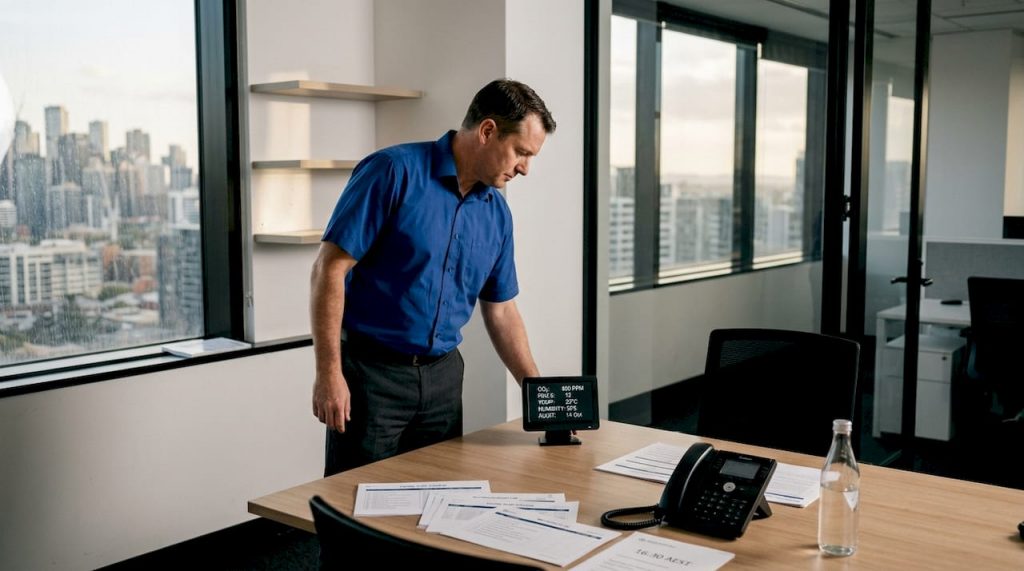
Pro Tip: A calibrated CO2 monitor placed at desk height in your main living area gives you a real-time picture of ventilation effectiveness. CO2 is the easiest proxy for overall indoor air freshness.
For homeowners who want a thorough baseline, professional IAQ assessments with calibrated equipment provide targeted remediation rather than guesswork. Certified Industrial Hygienists charge $500–$2,000 for comprehensive reports that identify pollutant sources precisely.
2. Ventilation and filtration: what actually works
Ventilation is the single most effective tool for reducing indoor pollutant concentrations. ASHRAE 62.2-2022 sets minimum air exchange rates for residences, and most homes fall short of these targets without deliberate effort.
Natural ventilation works well when outdoor air quality is good. Open windows on opposite sides of the home to create cross-ventilation. Avoid this during high-pollution periods, such as dust storms in the UAE or high-pollen days elsewhere.
Mechanical ventilation options include:
- Exhaust fans in kitchens and bathrooms (run during and 15 minutes after cooking or showering)
- Energy recovery ventilators (ERVs) for continuous fresh air without significant heat loss
- HVAC systems with fresh air intake settings
For filtration, MERV 13+ HVAC filters combined with HEPA air purifiers deliver the best balance of particle removal and energy use. MERV 13 captures particles down to 0.3 microns, including most mould spores and fine dust. Activated carbon filters add VOC and odour removal that HEPA alone cannot provide.
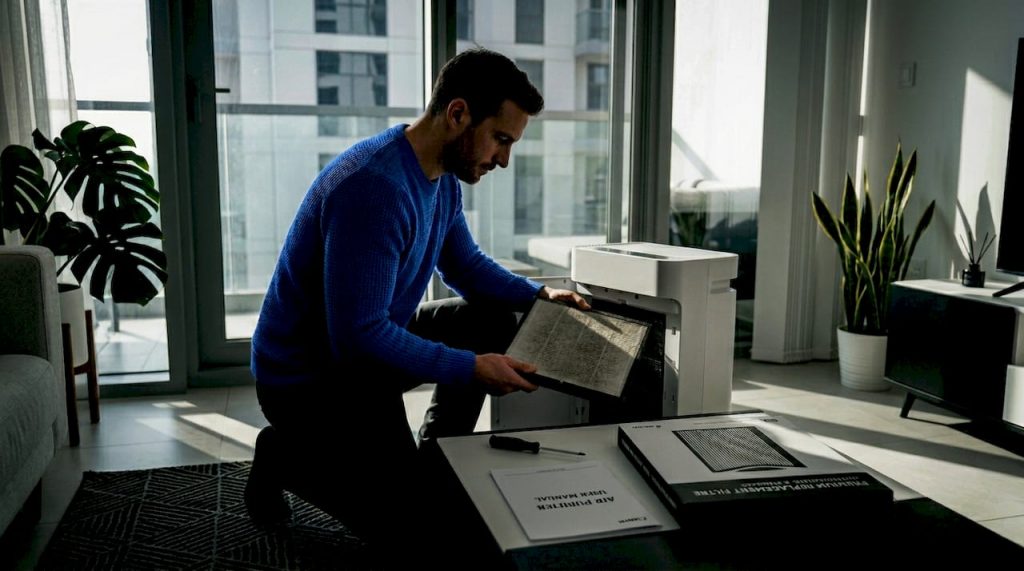
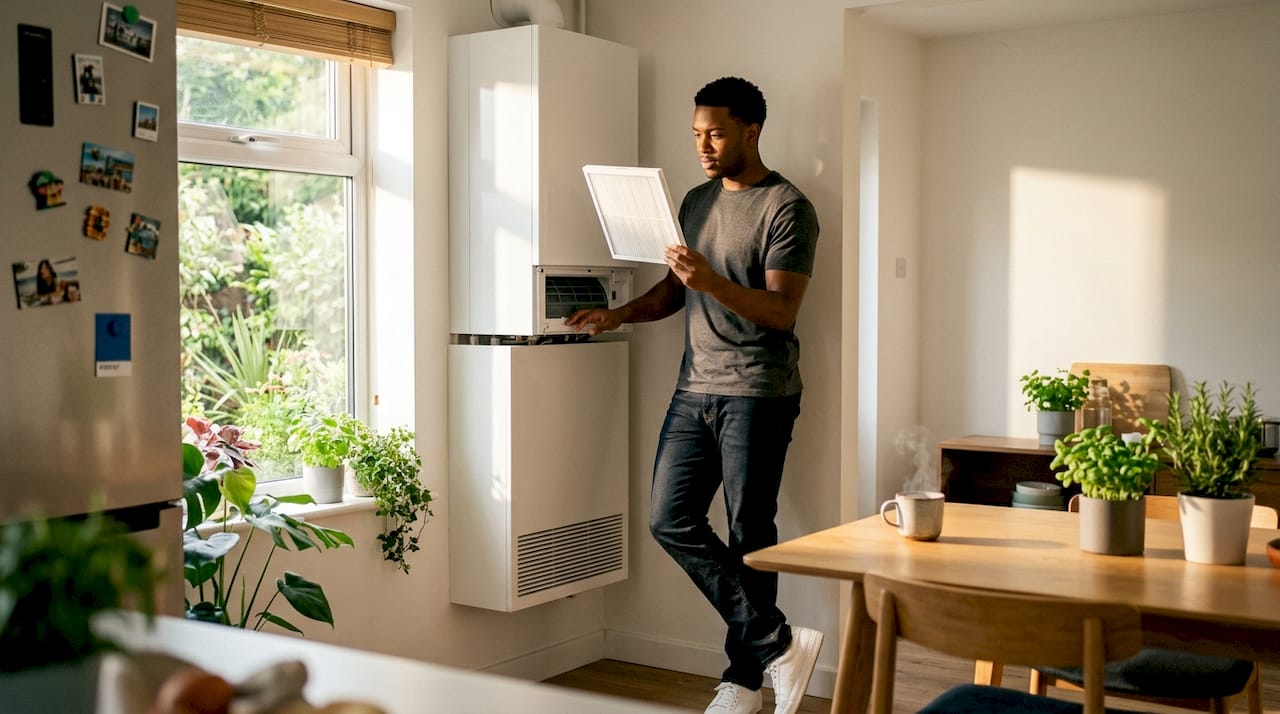
HVAC maintenance failures cause more stuffiness and odour problems than a lack of equipment. A blocked exhaust or dirty filter is the first thing to check before purchasing any new device. Monitoring filter condition via pressure differential (ΔP) rather than a fixed calendar schedule gives a more accurate replacement signal.
Pro Tip: Run your kitchen exhaust fan on low continuously, not just when cooking. This creates a slight negative pressure that draws fresh air in through gaps and reduces background VOC levels throughout the day.
For apartment dwellers, the importance of apartment ventilation is often underestimated. Sealed modern buildings trap pollutants far more effectively than older construction.
3. Humidity control and moisture management
Optimal indoor humidity sits between 30% and 60% relative humidity. Outside this range, health problems multiply quickly.
Low humidity (below 30%) dries out mucous membranes, increases susceptibility to respiratory infections, and worsens eczema. High humidity (above 60%) promotes mould growth, dust mite proliferation, and structural damage. Humidity extremes affect viral transmission rates, respiratory irritation, and allergen proliferation, making precise humidity control one of the highest-value investments in a healthy home.
Practical humidity management steps:
- Use a digital hygrometer in each main room to track levels
- Run a dehumidifier in bathrooms, laundry areas, and basements when humidity exceeds 60%
- Use a humidifier in bedrooms during dry seasons or in air-conditioned spaces where humidity drops below 30%
- Fix leaks and improve drainage before using any humidity device
Mould becomes visible only after it has already colonised a surface. The real risk is hidden moisture in wall cavities, under flooring, and behind appliances. Inspect these areas seasonally, particularly after heavy rain or flooding.
Pro Tip: In UAE homes, air conditioning removes significant moisture from indoor air. Check your hygrometer reading in air-conditioned rooms during summer. Many residents find they need a humidifier indoors even in a humid climate.
Climatepro’s humidity control workflow guide covers the full process for UAE homes, including how to select the right device capacity for your room size.
4. Wellness-focused spaces: lighting, plants, and textiles
Environmental psychology research shows that your home’s sensory environment directly affects stress hormones and sleep quality. Warm-toned, low-intensity lighting reduces cortisol by up to 17% compared to cool overhead lighting within 20 minutes. Switching to warm-white bulbs (2700K–3000K) in living areas and bedrooms is one of the lowest-cost, highest-impact changes you can make.
Biophilic design, which means incorporating natural materials, plants, and natural light, supports emotional wellbeing and reduces perceived stress. Houseplants like peace lilies and spider plants contribute modestly to VOC reduction, though their primary benefit is psychological rather than measurable air cleaning.
“Consistent sensory anchors like a specific scent, lighting level, or texture, maintained over 4–6 weeks, create a conditioned relaxation response in the nervous system. A dedicated corner of your home with these cues becomes a reliable recovery space.”
Textile care is an underrated part of an indoor air quality checklist. Bedding, curtains, and upholstered furniture accumulate dust mites, pet dander, and mould spores. Wash bedding weekly in water above 60°C to kill dust mites. Vacuum upholstered furniture fortnightly with a HEPA-filtered vacuum cleaner.
Pro Tip: Designate one chair or corner of a room as your recovery space. Keep the lighting consistent, add a familiar scent like lavender, and use it only for rest. The conditioned response builds over weeks and makes the space genuinely restorative.
Simple daily practices improve home wellness more reliably than expensive renovations. Consistency matters more than investment level.
5. Step-by-step healthy home environment checklist
This checklist sequences tasks by health return on effort. Address active hazards before purchasing devices.
Monthly tasks:
- Check CO2 monitor readings and ventilate if above 1,000 ppm
- Inspect HVAC filter condition (replace if visibly dirty or pressure drop is elevated)
- Test smoke and carbon monoxide detectors
- Check bathroom and kitchen exhaust fans for blockages
- Wipe down air purifier pre-filters
Quarterly tasks:
- Replace MERV 13+ HVAC filters (or sooner based on condition)
- Test radon levels if you have not done so in the past year
- Inspect under sinks, behind appliances, and in roof spaces for moisture or mould
- Clean humidifier and dehumidifier tanks and filters
- Review hygrometer readings and adjust humidity devices seasonally
Annual tasks:
- Book a professional IAQ assessment if you have persistent symptoms or an older building
- Check and clean ERV or HRV unit if installed
- Wash curtains and dry-clean or steam-clean upholstered furniture
- Inspect and seal gaps around windows and doors to control infiltration
Routine maintenance rituals compound over time. Short weekly checks prevent costly issues and support long-term wellness more reliably than one-off renovations.
| Task category | Frequency | Primary health benefit |
|---|---|---|
| HVAC filter check | Monthly visual, quarterly replacement | Reduces PM2.5 and allergen load |
| Radon testing | Annually | Prevents long-term lung cancer risk |
| Humidity monitoring | Ongoing | Controls mould, dust mites, and viral risk |
| Smoke and CO detector test | Monthly | Prevents acute poisoning events |
| Bedding wash | Weekly | Reduces dust mite and allergen exposure |
Pro Tip: Set a recurring calendar reminder on the first day of each month for your monthly checks. Linking the habit to a fixed date removes the decision-making burden and makes compliance far more consistent.
For a room-by-room breakdown of air quality priorities, Climatepro’s guide covers kitchens, bedrooms, bathrooms, and living areas separately.
Key takeaways
A healthy home environment requires source control first, followed by ventilation, humidity management, and targeted device use in that order.
| Point | Details |
|---|---|
| Source control before devices | Fix leaks, improve ventilation, and identify pollutants before buying air purifiers. |
| CO2 is the key ventilation proxy | Keep CO2 below 1,000 ppm to protect cognitive performance and respiratory health. |
| Humidity range matters | Maintain 30–60% relative humidity to prevent mould, dust mites, and dry-air illness. |
| Bedroom air is the priority | You spend 7–9 hours in your bedroom; address its air quality before any other room. |
| Consistency beats renovation | Weekly maintenance rituals deliver better long-term outcomes than one-off upgrades. |
Why I prioritise source control over devices every time
Most people buy an air purifier first and ask questions later. I understand the impulse. A device feels like a solution you can point to. But addressing active hazards like moisture, combustion sources, and radon before buying any equipment is the approach that actually moves the needle on health outcomes.
The bedroom is where I always start. You spend roughly a third of your life there, and the air quality during sleep directly affects recovery, immune function, and cognitive performance the next day. A HEPA purifier in the bedroom combined with a blackout curtain and warm lighting costs less than most people spend on supplements, and the measurable impact is far greater.
The other misconception I see constantly is the idea that a healthy home should be sterile. Aiming for a lower-load environment rather than zero-load allows your immune and nervous systems to recover without being overwhelmed. You are not trying to eliminate all biological material. You are trying to reduce the burden to a level your body handles easily.
Track your changes. Note your sleep quality, morning congestion, and afternoon energy levels before and after each intervention. The data motivates continued effort and helps you identify which changes actually made a difference in your specific home.
— Nevel
Climatepro’s air quality solutions for healthier homes

Climatepro stocks a full range of air purifiers, humidifiers, and dehumidifiers suited to UAE homes, apartments, and offices. The Honeywell Air Touch P2 air purifier handles medium to large rooms and combines HEPA filtration with activated carbon for both particle and VOC removal. For humidity management, Climatepro’s humidifier and dehumidifier range covers every room size and climate condition, including the specific demands of air-conditioned UAE interiors. Every product ships across Dubai, Abu Dhabi, Sharjah, and all seven emirates. Browse the full air purifier catalogue to find the right fit for your home’s specific needs.
FAQ
What is a healthy home environment checklist?
A healthy home environment checklist is a structured list of tasks covering air quality monitoring, ventilation, humidity control, and maintenance routines. It helps homeowners and renters systematically reduce indoor pollutants and maintain safe living conditions.
How often should I replace my HVAC filter?
Replace MERV 13+ HVAC filters at least quarterly, or sooner if a visual inspection shows heavy soiling. Monitoring pressure drop across the filter gives a more accurate replacement signal than a fixed calendar schedule.
What is the ideal indoor humidity level?
The ideal indoor humidity level is between 30% and 60% relative humidity. Below 30% increases respiratory irritation and viral transmission risk; above 60% promotes mould growth and dust mite proliferation.
Do I need a professional IAQ assessment?
A professional IAQ assessment is worth the cost if you have persistent respiratory symptoms, an older building, or a recent renovation. Certified Industrial Hygienists use calibrated equipment to identify pollutant sources that DIY monitors miss.
What should I address first in my home’s air quality?
Address the bedroom first, as it has the highest exposure duration. Fix any moisture issues, improve ventilation, and test for radon before purchasing air purifiers or other devices.