
Air quality is defined as the degree to which the air in a given environment is free from pollutants that can harm human health or the environment. Both indoor and outdoor air quality matter. People spend approximately 90% of their time indoors, where pollutant concentrations commonly exceed outdoor levels. Understanding air quality concepts explained by agencies like the WHO and the US EPA gives you the knowledge to make better decisions about where you live, work, and breathe. The two core frameworks you need to know are the types of air pollutants and the Air Quality Index (AQI).
What are the main air pollutants and how do they affect health?
Six criteria air pollutants are regulated by environmental agencies worldwide: fine particulate matter (PM2.5), coarse particulate matter (PM10), ground-level ozone (O3), nitrogen dioxide (NO2), sulfur dioxide (SO2), and carbon monoxide (CO). Each one carries distinct health risks depending on concentration and duration of exposure.
- PM2.5 refers to particles smaller than 2.5 micrometres in diameter. These particles penetrate deep into the lungs and enter the bloodstream, contributing to cardiovascular and respiratory disease.
- PM10 includes larger particles up to 10 micrometres. They irritate the nose, throat, and upper airways, and are common in dusty environments like construction sites.
- Ground-level ozone (O3) forms when sunlight reacts with vehicle exhaust and industrial emissions. High ozone levels trigger asthma attacks and reduce lung function.
- Nitrogen dioxide (NO2) comes primarily from vehicle engines and gas appliances. Prolonged exposure inflames the airways and worsens respiratory conditions.
- Sulfur dioxide (SO2) originates mainly from coal burning and industrial processes. It causes throat and eye irritation and contributes to acid rain.
- Carbon monoxide (CO) is a colourless, odourless gas produced by incomplete combustion. At high concentrations, it prevents oxygen from reaching organs and can be fatal.
Particle size determines how deeply a pollutant penetrates the respiratory system. PM2.5 is the most studied because its small size allows it to bypass the body’s natural defences entirely.
Pro Tip: If you use a gas cooktop or gas heater indoors, NO2 and CO levels in your kitchen or living area can spike significantly during use. Open a window or run an exhaust fan whenever these appliances are operating.

How is air quality measured and what does the AQI mean?
The Air Quality Index (AQI) is a standardised scale used to communicate how polluted the air is on any given day. The AQI ranges from 0 to 500, with higher values indicating greater health risk. Values above 100 signal conditions that begin to affect sensitive groups, and values above 300 are classified as hazardous.
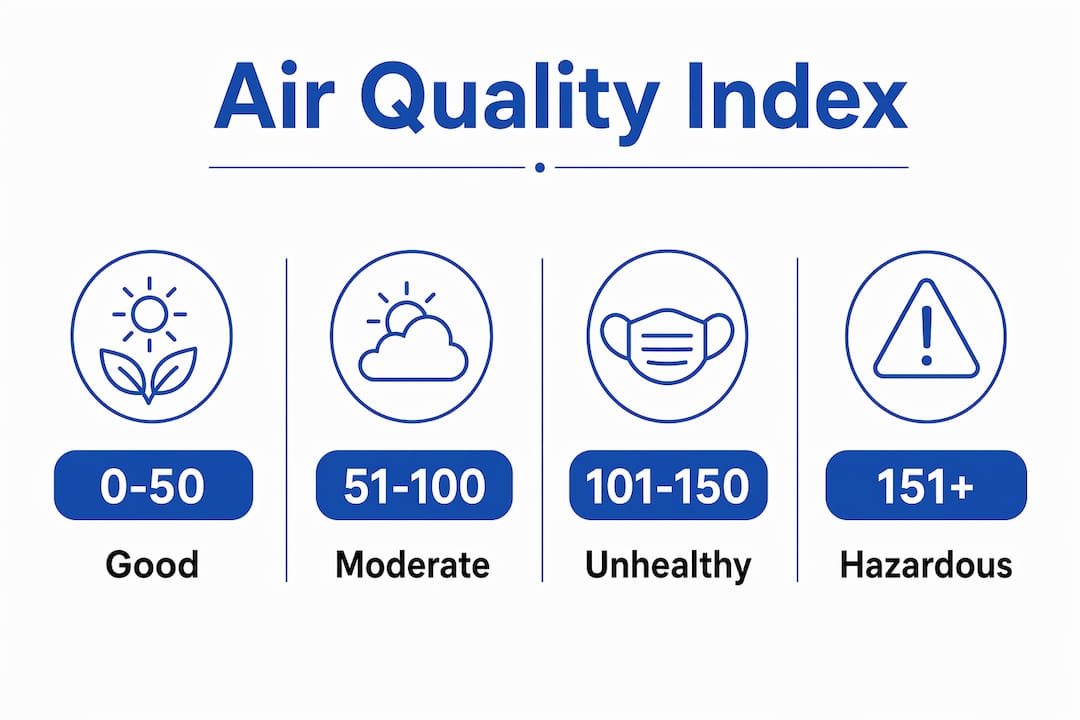
The AQI does not average pollutants together. It follows a worst-pollutant-wins principle: if one pollutant sits in the “Unhealthy” range while all others are low, the overall AQI reflects that single worst reading. This prevents averaged data from masking a genuine health risk.
| AQI range | Category | Health implication |
|---|---|---|
| 0–50 | Good | Air quality poses little or no risk |
| 51–100 | Moderate | Acceptable; some pollutants may affect very sensitive individuals |
| 101–150 | Unhealthy for sensitive groups | People with asthma, heart disease, or children may be affected |
| 151–200 | Unhealthy | Everyone may begin to experience health effects |
| 201–300 | Very unhealthy | Health alert; significant risk for the general population |
| 301–500 | Hazardous | Emergency conditions; entire population is at risk |
AQI values are also calculated using different time windows for each pollutant. Ozone is measured hourly, while PM2.5 uses a 24-hour average. This reflects how each pollutant behaves and causes harm over time.
AQI systems also vary between countries. An AQI value in one country may differ significantly in meaning from the same number elsewhere because national agencies use different breakpoints and pollutants. Australia uses the Air Quality Categories system published by the National Environment Protection Council, which differs from the US EPA’s AQI scale.
Pro Tip: The CDC recommends using AQI forecasts to plan outdoor activities in advance. Check the forecast the evening before and reschedule outdoor exercise if ozone or PM2.5 levels are predicted to be high the next morning.
When using an air quality app, verify which AQI standard the app applies. Different apps use different systems with varying colour codes and breakpoints, which can lead to misinterpretation of actual health risk.
What are the common sources of indoor and outdoor air pollution?
Pollutant sources differ significantly between outdoor and indoor environments, though many pollutants cross both settings. Particulate matter and combustion gases originate from both indoor and outdoor sources, including vehicles, industry, furniture, cleaning products, and combustion appliances.
Outdoor pollution sources include the following:
- Vehicle exhaust produces NO2, CO, and fine particulate matter. Urban areas with heavy traffic consistently record higher concentrations of these pollutants.
- Industrial emissions release SO2 and particulate matter from manufacturing, power generation, and mining operations.
- Biomass burning from bushfires and agricultural burning generates large quantities of PM2.5 and CO. In Australia, bushfire smoke regularly pushes AQI readings into hazardous territory across major cities.
- Construction and earthworks disturb soil and generate PM10 dust, particularly in dry climates like the UAE and inland Australia.
Indoor pollution sources are often underestimated. Furniture and building materials off-gas volatile organic compounds (VOCs) for months or years after installation. Cleaning sprays, air fresheners, and paints release VOCs directly into enclosed spaces. Gas stoves and unflued heaters produce NO2 and CO indoors. Mould growth in humid conditions releases biological particles that trigger allergic reactions.
Buildings designed for energy conservation trap indoor pollutants because reduced air leakage limits the natural dilution of contaminants. Tighter building envelopes improve thermal efficiency but create conditions where pollutants accumulate faster. Ventilation is the primary countermeasure. Three types of ventilation operate in buildings: infiltration (uncontrolled air leakage through gaps), natural ventilation (deliberate opening of windows and vents), and mechanical ventilation (fans, heat recovery units, and HVAC systems). Mechanical ventilation and filtration are often necessary in energy-efficient buildings to maintain healthy indoor air.
How can you improve indoor air quality for better health?
Improving indoor air quality requires addressing both pollutant sources and the systems that remove or dilute them. The following methods are evidence-based and practical for homes, offices, and clinics.
- Increase ventilation. Open windows during low-pollution periods, typically early morning before traffic peaks. Cross-ventilation, where air flows through opposite sides of a building, is more effective than opening a single window.
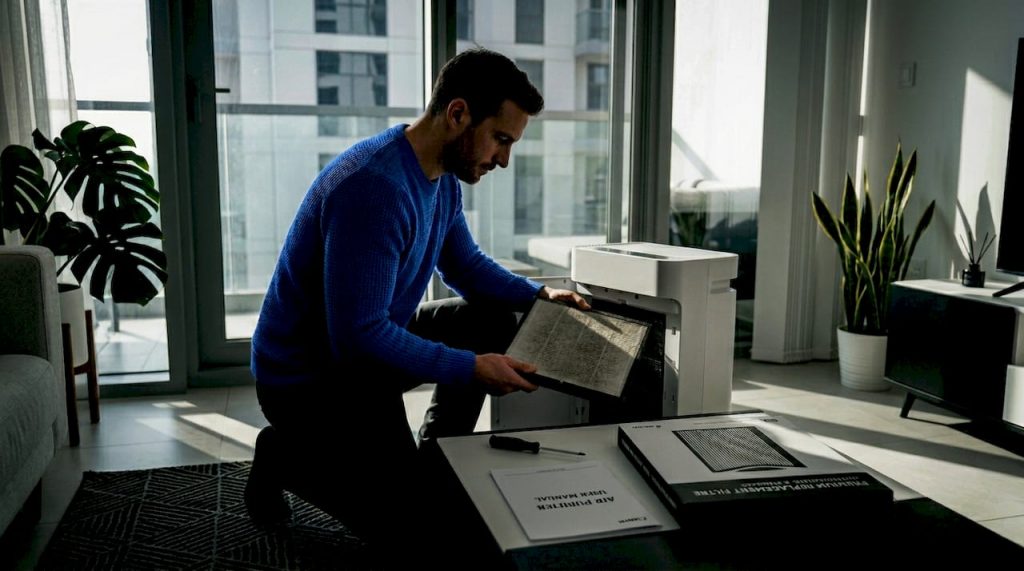
- Use air purifiers with HEPA filtration. High-efficiency particulate air (HEPA) filters capture particles as small as 0.3 micrometres, including PM2.5, dust, pollen, and pet dander. Models like the Honeywell Air Touch series are designed for residential and commercial use and are available through Climatepro.
- Control pollutant sources directly. Avoid smoking indoors entirely. Choose low-VOC paints, adhesives, and cleaning products. Store chemicals in sealed containers outside the living area.
- Manage humidity. Relative humidity between 40% and 60% reduces mould growth, dust mite activity, and the spread of airborne viruses. A home air quality assessment can identify whether your space runs too dry or too humid. Humidifiers and dehumidifiers address both extremes.
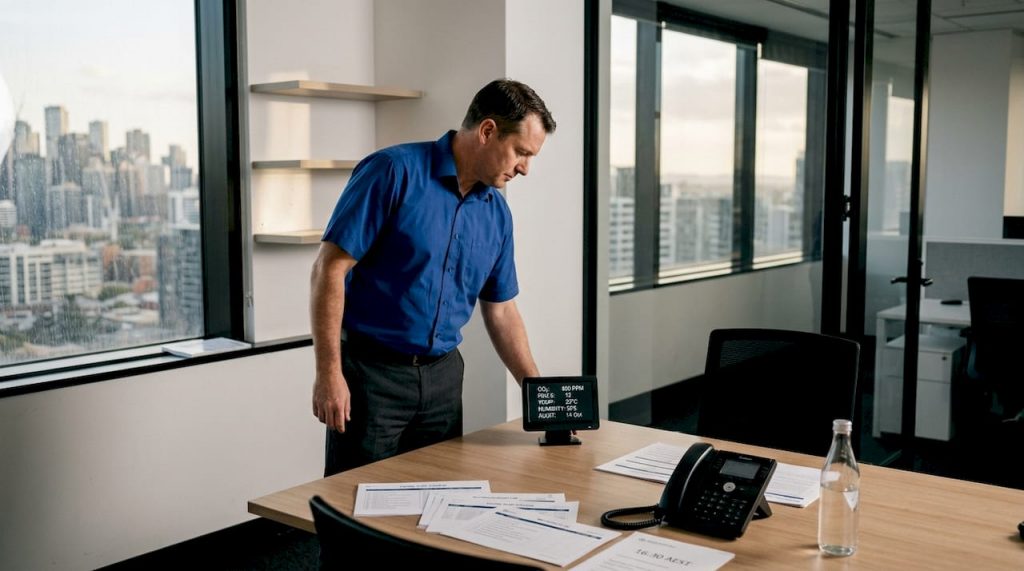
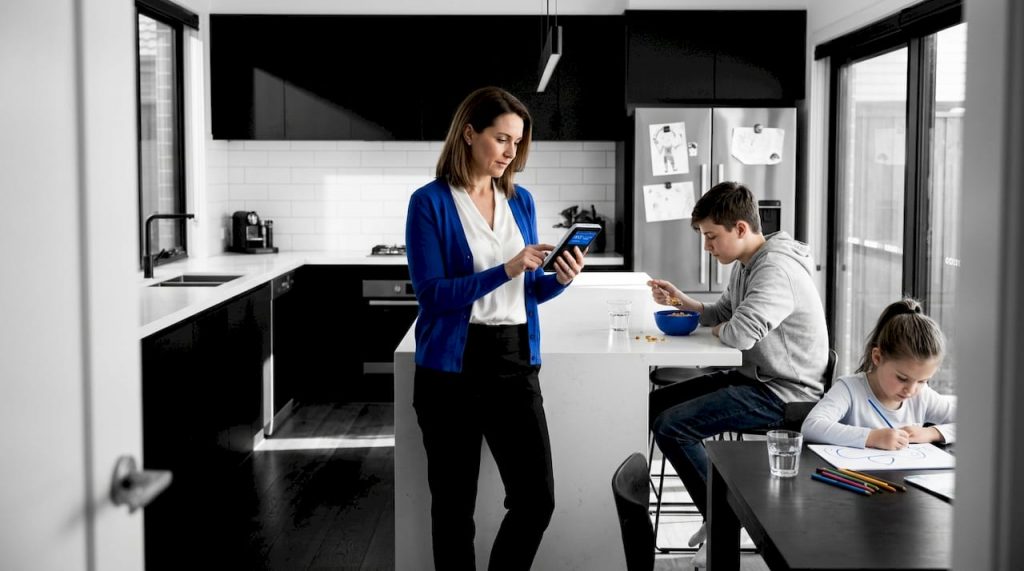
- Monitor air quality with smart devices. Smart air monitors measure PM2.5, CO2, VOCs, temperature, and humidity in real time. Devices like the Atmotube Pro and IQAir AirVisual Pro display readings on companion apps and alert you when levels exceed safe thresholds.
- Clean regularly and correctly. Vacuuming with a HEPA-filtered vacuum removes settled particulate matter before it becomes resuspended. Damp mopping is more effective than dry sweeping for fine dust.
Pro Tip: Houseplants are often cited as air purifiers, but the evidence for meaningful pollutant removal in real rooms is weak. A single HEPA air purifier running in a bedroom will outperform dozens of plants for PM2.5 reduction.
Reducing indoor pollution also connects to broader environmental outcomes. Actions that cut air pollution often reduce greenhouse gas emissions simultaneously, since combustion is a shared source of both. Choosing electric appliances over gas, for example, improves indoor air quality and lowers carbon output at the same time.
Key takeaways
Understanding air quality requires knowing the six regulated pollutants, reading the AQI correctly using the worst-pollutant-wins principle, and addressing indoor sources through ventilation, filtration, and humidity control.
| Point | Details |
|---|---|
| Six regulated pollutants | PM2.5, PM10, O3, NO2, SO2, and CO each carry distinct health risks at elevated concentrations. |
| AQI worst-pollutant-wins | The overall AQI reflects the single highest-risk pollutant, not an average of all readings. |
| Indoor air is often worse | People spend approximately 90% of their time indoors, where pollutant levels frequently exceed outdoor concentrations. |
| Tight buildings need ventilation | Energy-efficient buildings trap pollutants; mechanical ventilation or filtration is required to maintain healthy air. |
| Monitor and act | Smart air monitors and AQI forecasts allow you to adjust activities and ventilation before health effects occur. |
The number that matters most is not always the one you check
Most people check the outdoor AQI on their phone and assume that tells the full story. It does not. The AQI reflects conditions at a monitoring station, which may be kilometres from your home. Your actual exposure depends on what is happening inside your building, how well it is ventilated, and what pollutant sources are active nearby.
I have seen well-meaning households run air purifiers in the lounge room while leaving the kitchen unventilated during gas cooking. NO2 from a gas stove can spike to levels that would register as “Unhealthy” on any AQI scale, yet no app will flag it because no sensor is measuring it. The gap between reported AQI and personal exposure is where most indoor air quality problems live.
The other mistake I see regularly is treating AQI as a pass-or-fail score rather than a decision-making tool. An AQI of 95 is technically “Moderate,” but if you have asthma or a young child at home, that reading warrants the same caution as a reading of 110. The CDC’s guidance on AQI frames it correctly: use it to plan, not just to observe.
Energy efficiency and air quality are also in genuine tension. A well-sealed home saves energy but concentrates whatever pollutants are generated inside. The solution is not to choose one over the other. Mechanical ventilation with heat recovery, combined with source control and filtration, resolves both goals. The energy-efficient air cleaning approach is worth understanding before you invest in either insulation upgrades or air purification equipment.
— Nevel
Climatepro solutions for cleaner indoor air
Knowing the theory is the first step. Acting on it is where Climatepro can help.

Climatepro stocks a full range of air purifiers in Dubai and across the UAE, including the Honeywell Air Touch P1 (AED 591), the Honeywell Air Touch P2 (AED 705), and the Honeywell Air Touch U1 (AED 935), all suited to different room sizes and sensitivity needs. For humidity control, the Blueair InvisibleMist Humidifier H35i and the Xiaomi Smart Dehumidifier Lite are available for homes dealing with dry or damp conditions. Climatepro delivers to Dubai, Abu Dhabi, Sharjah, and all seven emirates, with product advice available for those who need guidance on matching a solution to their specific space.
FAQ
What is the difference between PM2.5 and PM10?
PM2.5 refers to particles smaller than 2.5 micrometres, which penetrate deep into the lungs and bloodstream. PM10 covers larger particles up to 10 micrometres, which mainly affect the upper airways.
How does the AQI calculate its value?
The AQI uses the worst-pollutant-wins principle, meaning the overall index reflects the single pollutant with the highest risk level, not an average across all pollutants.
Is indoor air quality worse than outdoor air quality?
People spend approximately 90% of their time indoors, and indoor pollutant concentrations frequently exceed outdoor levels due to limited ventilation and indoor pollution sources like gas appliances and furniture off-gassing.
Which air purifier filter type is most effective for PM2.5?
HEPA filters are the most effective for capturing PM2.5, removing particles as small as 0.3 micrometres including fine dust, pollen, and smoke particles.
Do AQI readings differ between countries?
Yes. Different countries use different pollutants, breakpoints, and averaging periods in their AQI calculations, so the same numerical value can represent different health risk levels depending on which national system is being used.
Recommended
- Home air quality improvement guide for UAE homeowners — Blog | ClimatePro UAE
- Step by step air quality assessment for homes — Blog | ClimatePro UAE
- Office air quality improvement: top 10 strategies — Blog | ClimatePro UAE
- Understand air cleaning technologies for healthier UAE homes — Blog | ClimatePro UAE