Healthy air is not a comfort feature. It is a biological necessity, and the evidence from Australian public health research makes that clear. Outdoor air pollution is linked to approximately 3,200 premature deaths in Australia each year, costing over $6.2 billion annually. Indoor air, which most Australians spend the majority of their time breathing, is often more polluted than the air outside. Both environments carry real risks, and both require deliberate management.
The core reasons clean air matters come down to several interconnected facts:
- Air pollutants affect nearly every organ system, contributing to respiratory disease, cardiovascular conditions, lung cancer, and premature death.
- Indoor air quality in Australia is poorly regulated, with no national enforceable performance standards for most public buildings.
- Ecosystems depend on clean air to sustain biodiversity, soil health, and water quality.
- Greenhouse gases and particulate matter from combustion sources accelerate climate change and degrade air quality in a compounding cycle.
- Even modest improvements in air quality produce measurable reductions in disease burden and healthcare costs.
Table of Contents
- How poor air quality affects the health of Australians
- What air pollution does to ecosystems and the climate
- Indoor versus outdoor air: why the distinction matters
- Practical steps to improve air quality at home and in public spaces
- What Australian experts say about the invisible threat of air pollution
- Climatepro: air quality solutions for cleaner indoor environments
- Key takeaways
How poor air quality affects the health of Australians
The health burden of air pollution in Australia is larger than most people realise. The Australian Institute of Health and Welfare found that air pollution contributed to approximately 3,236 deaths in 2018, equivalent to around 2% of all deaths that year and roughly 2.8 times the number of road fatalities for the same period. Coronary heart disease accounted for 42% of that attributable burden, with the remainder spread across COPD, stroke, type 2 diabetes, lung cancer, and lower respiratory infections.
Low-level exposure to particulate matter (PM2.5) and nitrogen dioxide is associated with increased cardiovascular and respiratory hospitalisations across Australia, with incidence rate ratios for hospital admissions ranging from 1.02 to 1.06 per pollution increment. Respiratory diseases show population attributable fractions of up to 7.5%.
Vulnerable populations carry a disproportionate share of this burden. Children, older adults, pregnant women, and people with pre-existing cardiac or pulmonary conditions are most susceptible. Carbon monoxide from indoor combustion appliances, for instance, binds to haemoglobin and reduces the blood’s capacity to carry oxygen. People with heart conditions, children, and unborn babies face the greatest risk from even moderate CO exposure.
Statistic: In 2018–19, health system spending attributable to air pollution in Australia reached $352 million, including 4.0% of total expenditure on coronary heart disease and 6.1% on COPD.
What air pollution does to ecosystems and the climate
Air pollution does not stop at the lungs. Its effects extend into soils, waterways, and the broader climate system in ways that ultimately circle back to human health.
- Sulphur and nitrogen compounds acidify soil and water, disrupting aquatic ecosystems and reducing biodiversity.
- Acid rain damages vegetation, weakens plant immune responses, and degrades agricultural productivity.
- Greenhouse gases, particularly CO2 and methane from combustion and industrial sources, drive global warming and intensify weather events.
- Smog reduces visibility and degrades urban liveability, with photochemical reactions between VOCs and nitrogen oxides producing ground-level ozone.
- Landscape fire-sourced air pollution, a growing concern in Australia, was responsible for 22,809 deaths between 2016 and 2019, valued at AU$138.41 billion in economic loss.
- Particulate matter deposition on vegetation reduces the air filtration capacity of urban green spaces, undermining a natural defence against pollution.
The relationship between climate change and air quality is bidirectional. Warmer temperatures and drier conditions increase bushfire frequency, which in turn degrades air quality and exposes more Australians to harmful PM2.5 concentrations. Addressing air pollution and addressing climate change are, in practice, the same problem.
Indoor versus outdoor air: why the distinction matters

Most Australians spend the majority of their time indoors, yet indoor air quality receives far less regulatory attention than outdoor air. Indoor air is typically more polluted than outdoor air due to volatile organic compounds (VOCs) from paints, adhesives, and furnishings; combustion emissions from gas cooktops and unflued heaters; and the absence of effective filtration in most residential and commercial buildings.
Key distinctions between the two environments:
- Sources differ significantly. Outdoor pollution comes primarily from transport, industry, and bushfires. Indoor pollution originates from building materials, cleaning products, gas appliances, mould, and occupant activity.
- Regulation is uneven. Australia’s outdoor air quality is governed by the National Environment Protection (Ambient Air Quality) Measure. Indoor air quality, by contrast, has no specific legislated standards in Australia, leaving most buildings unmeasured and unmanaged.
- Ventilation alone is not enough. Australia’s National Construction Code focuses ventilation requirements on energy efficiency and basic comfort, not on filtering modern indoor pollutants or airborne pathogens. Opening a window helps, but it does not remove fine particles, VOCs, or biological contaminants.
- Outdoor air enters indoors. During bushfire smoke events, PM2.5 infiltrates buildings rapidly, making indoor air quality directly dependent on outdoor conditions.
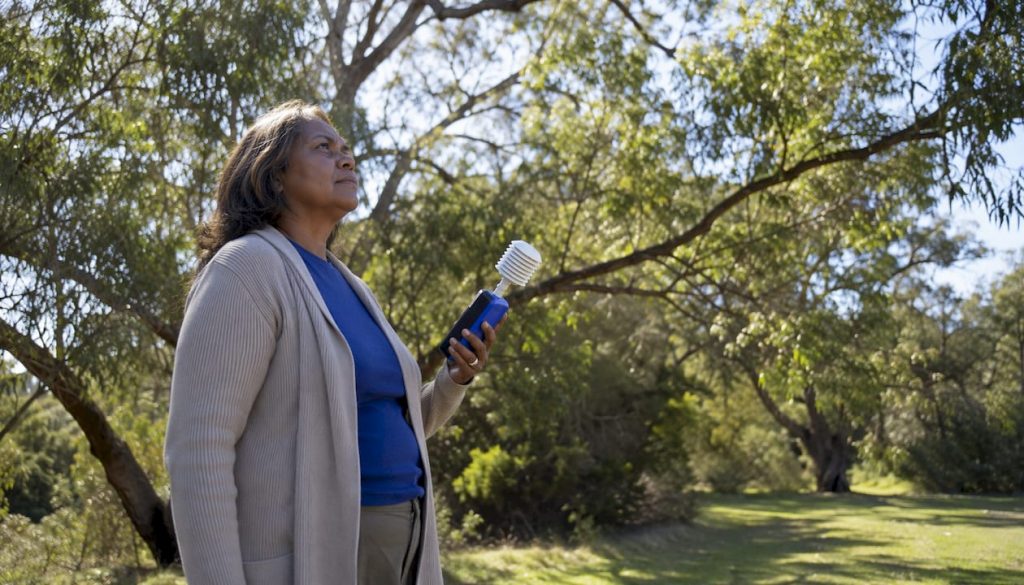
Pro Tip: CO2 concentration is a reliable proxy for indoor ventilation quality. A reading consistently above 1,000 ppm in an occupied room indicates inadequate fresh air supply and likely elevated concentrations of other pollutants. A portable CO2 monitor costs less than most air purifiers and provides real-time feedback on ventilation performance.
Practical steps to improve air quality at home and in public spaces
Improving indoor air quality does not require a single large intervention. A layered approach, addressing sources, ventilation, and filtration together, produces the most reliable results.
- Reduce pollutant sources first. Switch from gas to electric cooking where possible. Choose low-VOC paints, adhesives, and cleaning products. Remove or seal materials that off-gas formaldehyde, such as certain pressed-wood furniture.
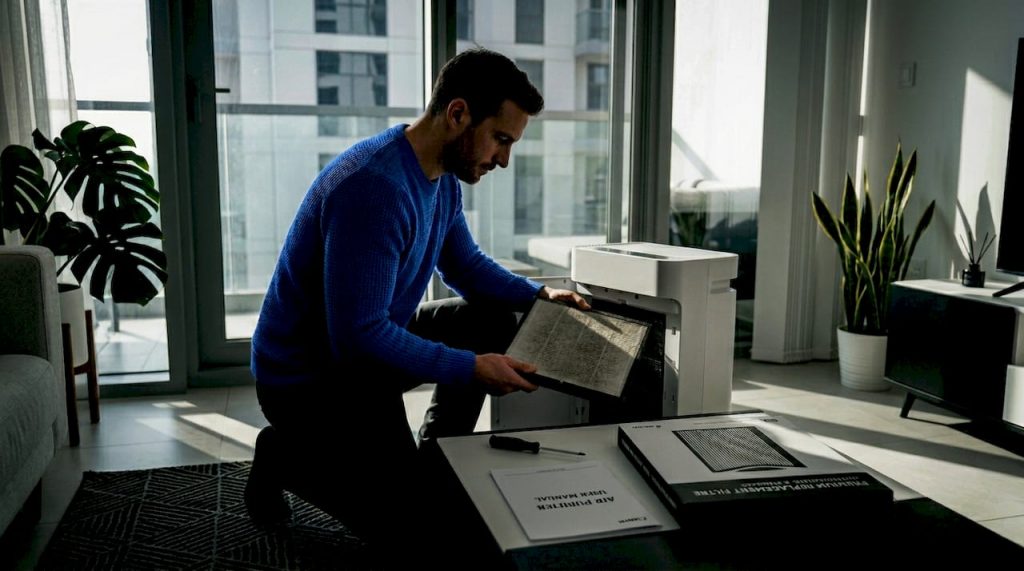
- Implement HEPA filtration. Ventilation combined with HEPA filtration is necessary to reduce both airborne pathogens and chemical pollutants. Ventilation alone recirculates rather than removes fine particles.
- Control humidity. Maintaining indoor relative humidity between 40% and 60% inhibits mould growth and reduces dust mite populations, both significant triggers for respiratory conditions. A quality dehumidifier can help manage excess moisture in humid climates.
- Ventilate strategically. Cross-ventilate during cooler parts of the day when outdoor air quality is good. Close windows and run filtration during bushfire smoke events or high-pollen periods.
- Support outdoor air quality at the community level. Advocate for active transport infrastructure, urban tree canopy programmes, and stricter vehicle emission standards. These measures reduce the ambient pollution load that enters homes and workplaces.
Pro Tip: When selecting an air purifier, check the Clean Air Delivery Rate (CADR) for the room size you intend to use it in. An energy-efficient air cleaning approach pairs a correctly sized HEPA purifier with good ventilation practice, rather than running an oversized unit continuously at maximum speed.
What Australian experts say about the invisible threat of air pollution
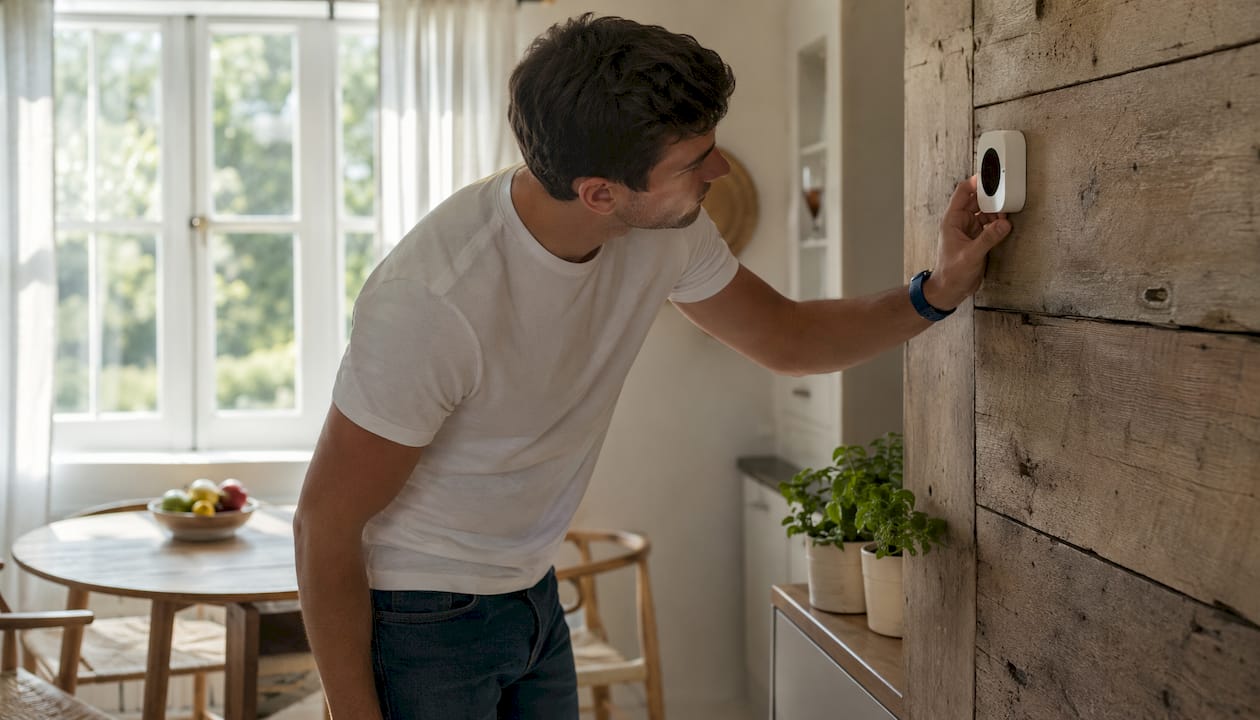
The scientific and public health community in Australia has been consistent on one point: the current regulatory framework is not adequate for the scale of the problem.
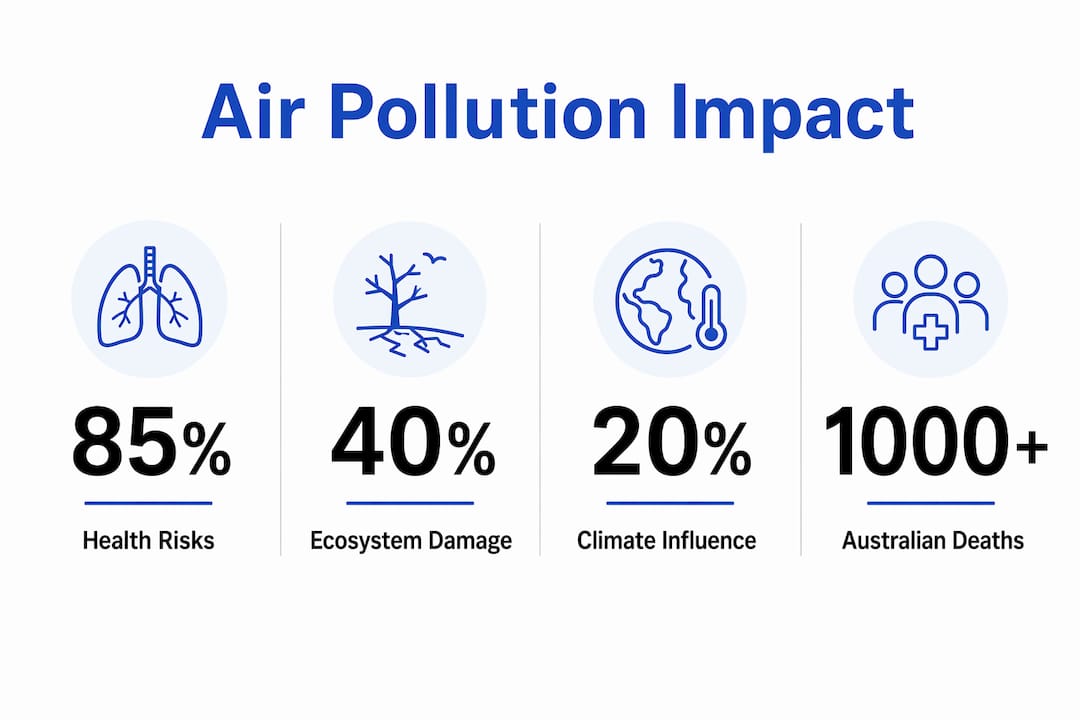
There is no safe exposure threshold for air pollution. Even concentrations that fall within Australia’s current ambient air quality standards are associated with measurable increases in hospital admissions. This finding has significant implications: it means that continuous improvement, rather than compliance with a minimum standard, is the appropriate goal.
Globally, WHO data indicates that polluted outdoor air kills over 7 million people each year. Australia’s per-capita burden is lower than in many developing nations, but population growth, urbanisation, and increasing bushfire frequency are identified risk factors for future deterioration. Experts call for clean air to be treated as a primary health determinant, equivalent in policy priority to food safety and water quality, with governance consolidated rather than fragmented across state and federal agencies.
Statistic: Investment in cleaner air yields large returns by decreasing disease burden, reducing infections, and supporting child development outcomes.
The practical implication for individuals and building managers is clear: do not wait for regulation to catch up. Source control, HEPA filtration, and ventilation management in offices and homes are available now and deliver measurable health benefits.
Climatepro: air quality solutions for cleaner indoor environments

For those ready to act on the evidence, Climatepro offers a direct path to better indoor air quality. The range covers HEPA air purifiers, humidifiers, dehumidifiers, and replacement filters suited to homes, offices, clinics, nurseries, and commercial spaces. Products like the Honeywell Air Touch P2 are designed for real-world indoor environments where source control and ventilation alone are not sufficient. Climatepro provides delivery across Dubai, Abu Dhabi, Sharjah, and all seven emirates, with product selection guidance to match the right unit to the room size and pollutant type. Browse the full air purifier catalogue to find a solution matched to your space and air quality needs.
Key takeaways
Clean air is a primary health determinant, and in Australia, both indoor and outdoor air quality require active management to protect health and reduce economic burden.
| Point | Details |
|---|---|
| Premature deaths from outdoor pollution | Approximately 3,200 Australians die prematurely each year from outdoor air pollution, costing over $6.2 billion annually. |
| No safe exposure threshold | Even air quality levels within Australia’s current standards are linked to increased cardiovascular and respiratory hospitalisations. |
| Indoor air is often more polluted | VOCs, combustion emissions, and lack of filtration make indoor air typically more polluted than outdoor air in Australian buildings. |
| Layered controls are necessary | HEPA filtration combined with ventilation and source reduction is more effective than ventilation alone for managing indoor air quality. |
| Climatepro for indoor air quality | Climatepro supplies HEPA air purifiers, dehumidifiers, and filters suited to homes, offices, and commercial spaces across the UAE. |
Recommended
- Healthy home environment checklist: 2026 guide — Blog | ClimatePro UAE
- What are VOCs? Sources, health risks, and how to reduce them — Blog | ClimatePro UAE
- Why monitoring AQI at home protects your family’s health — Blog | ClimatePro UAE
- Air quality concepts explained: your 2026 guide — Blog | ClimatePro UAE