What is air sterilisation, and how does it differ from filtration?
Air sterilisation is the active destruction of airborne microorganisms, targeting a kill rate exceeding 99.9999% of biological contaminants. That sets it apart from both filtration and disinfection in a meaningful way.
ASHRAE distinguishes sterilisation from disinfection precisely on this point: disinfection reduces microbial populations to safer levels, while sterilisation aims for total elimination. Filtration, by contrast, captures particles mechanically but does not kill them. A HEPA filter retains microorganisms on its media; those organisms remain viable until the filter itself is sterilised.
The microbiological targets of air sterilisation are the structures that allow pathogens to survive and replicate:
- Nucleic acids (DNA and RNA): once denatured, a microorganism cannot reproduce
- Intracellular proteins: destruction of these renders the organism non-viable
- Spores and fungi: harder to inactivate than vegetative bacteria, but achievable with sufficient dose
- Viruses: targeted through RNA or DNA disruption, preventing infection
How does air sterilisation work at the microbiological level?
Air sterilisation inactivates microorganisms by disrupting RNA, DNA, and denaturing intracellular proteins, making replication impossible. The mechanism varies by technology, but the biological outcome is consistent: the pathogen can no longer reproduce or cause infection.
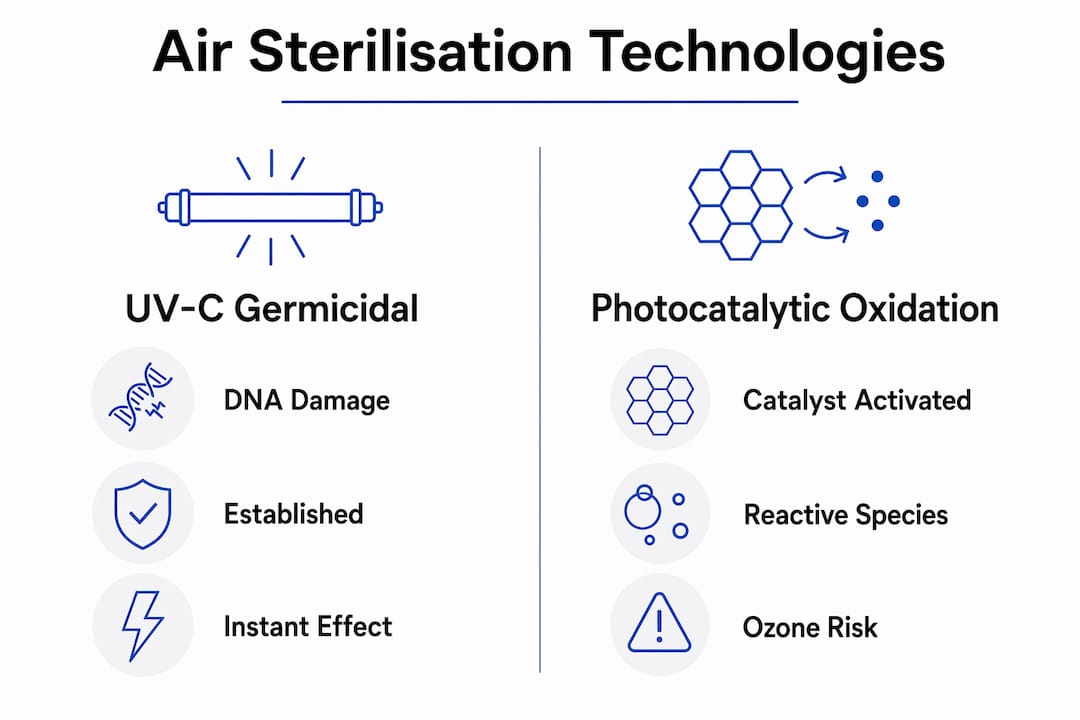
UV-C light, for example, damages microbial DNA and RNA at around 254 nm, inducing mutations between the molecular bases that build the nucleic acid strand. Photocatalytic oxidation generates hydroxyl radicals that oxidise and decompose microbial cell structures. Non-thermal plasma creates reactive species in an electric field that break down organic molecules through oxidation.
Dose is the critical variable across all these methods. UV-C effectiveness depends on sufficient exposure time and intensity to deliver the energy required to denature microbial nucleic acids. Airflow rate directly affects dose: air moving too quickly past a UV-C lamp receives insufficient exposure to achieve sterilisation. Many consumer UV-C units fail on exactly this point, because standard HVAC airflow is too fast to deliver the necessary UV-C dose.
Pro Tip: When evaluating any air sterilisation system, check the manufacturer’s stated airflow rate against the UV-C dose specification. A unit rated for 600 m³/h may achieve far lower inactivation than one operating at 50 m³/h, even with identical lamp wattage.
Byproduct management also matters. Ionisers and photocatalytic systems can produce ozone or reactive byproducts if not properly designed. Well-engineered systems incorporate ozone decomposition stages to keep emissions within safe thresholds.
Common air sterilisation technologies and how they compare
Three primary technologies drive modern air sterilisation methods, each with distinct mechanisms and practical trade-offs.
Ultraviolet germicidal irradiation (UVGI / UV-C)
UV-C light at approximately 253.7 nm is the most established sterilisation technology. It inactivates bacteria, viruses, mould, and spores by damaging nucleic acids. Commercial systems use low-pressure mercury vapour lamps or UV-C LEDs. Effectiveness depends entirely on dose, making system design critical.
Photocatalytic oxidation (PCO)
PCO uses a catalyst, typically titanium dioxide (TiO₂), activated by UV light to generate hydroxyl radicals. These radicals oxidise and decompose bacteria, viruses, volatile organic compounds (VOCs), and odours. The photocatalytic reactor is largely self-cleaning because organic material on the catalyst surface is continuously oxidised.
Non-thermal plasma (NTP) and bipolar ionisation
NTP generates reactive oxygen and nitrogen species in an electric field, disrupting microbial cell structures through oxidation. Research on multi-stage air cleaners combining plasma, UV-C, ionisation, and electrostatic precipitation shows inactivation efficiency above 99% at lower airflow rates. NTP demonstrated the highest standalone inactivation efficiency among individual stages tested.
Key considerations for each approach:
- UV-C: highly effective, well-documented, but requires precise engineering for adequate dose delivery
- PCO: addresses VOCs and odours alongside pathogens; ozone generation is a risk in poorly designed units
- NTP/ionisation: strong inactivation performance; ozone and nitric oxide emissions require active management
- Filtration (HEPA): captures particles but does not kill them; best used alongside active sterilisation
Benefits and applications of air sterilisation in indoor environments
Air sterilisation addresses a category of indoor air threat that filtration alone cannot resolve: sub-micron pathogens that pass through or around mechanical filters. Viruses, airborne bacteria, mould spores, and fungal particles are all targets.
The benefits of air sterilisation extend across a range of settings:
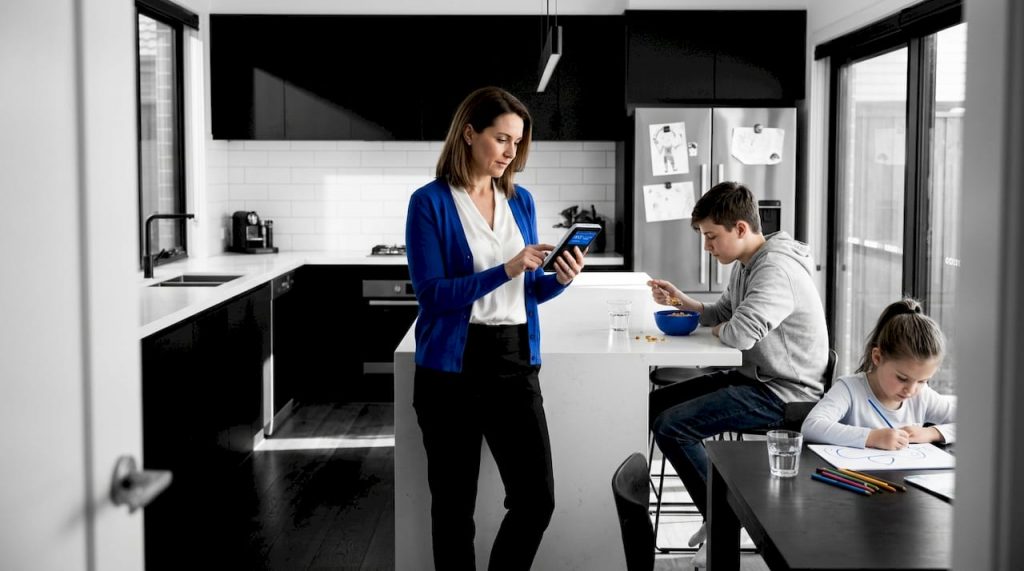
- Homes: reduced transmission of respiratory viruses, relief from mould-related allergy symptoms, and odour elimination
- Clinics and medical facilities: critical reduction of airborne pathogen load, particularly for immunocompromised patients
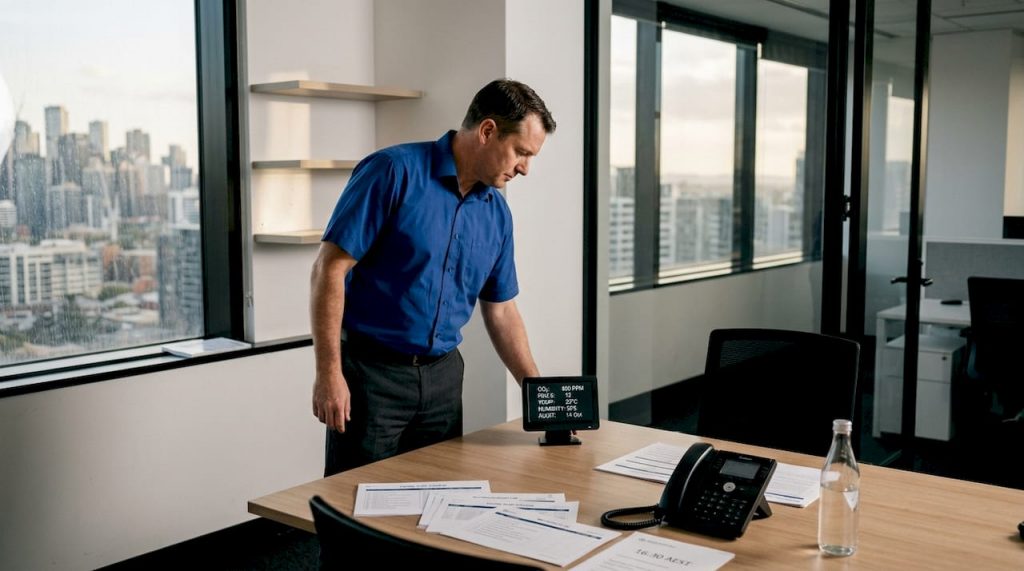
- Offices and commercial spaces: lower rates of airborne illness transmission, supporting healthier working environments
- Hospitality and public spaces: continuous background sterilisation without disrupting occupants
Beyond pathogen control, active sterilisation complements ventilation by addressing what ventilation cannot: recirculated air that carries viable microorganisms. Sterilisation also reduces the microbial load on HEPA filters, extending filter life and reducing the risk of bacterial re-entry from a saturated filter media.
The practical benefits include:
- Reduction of viruses, bacteria, fungi, and spores in circulating air
- Allergy relief through elimination of airborne mould and biological allergens
- Odour control via oxidative breakdown of VOCs and organic compounds
- Reduced disease transmission in shared indoor spaces
- Improved general respiratory health over time
Integrating air sterilisation into a complete indoor air quality system
No single technology addresses every indoor air quality threat. Best practice integrates filtration and sterilisation stages to handle both particulate matter and biological contaminants. Filtration removes larger particles and provides a substrate for capturing inactivated microorganisms; sterilisation handles the biological threats that filtration misses.
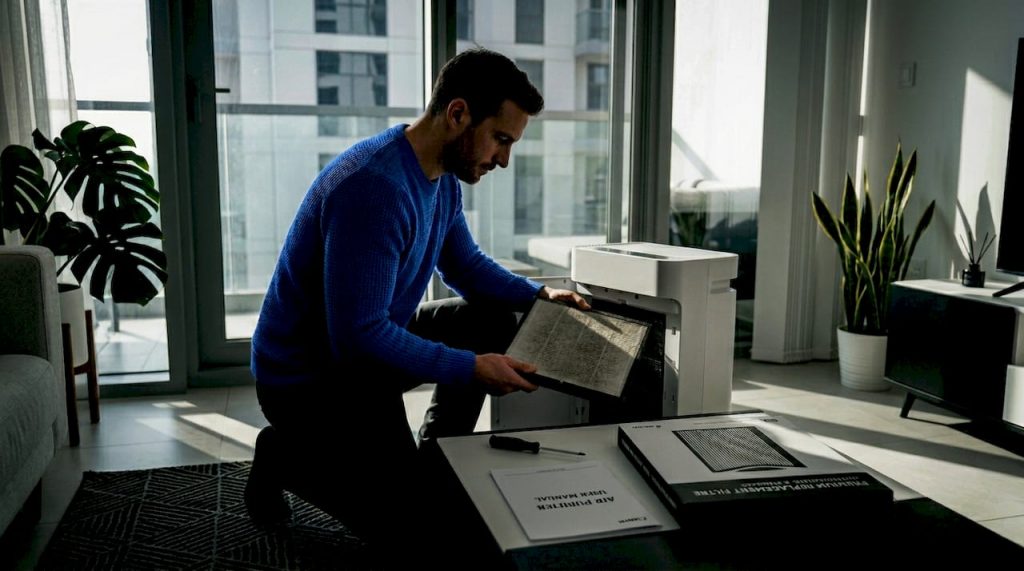
Maintenance is not optional in these systems. UV-C lamp output degrades over time, reducing dose and therefore inactivation efficiency. PCO catalysts can become fouled with non-organic material. Filters require regular replacement to prevent bacterial re-entry. Scheduling maintenance based on manufacturer specifications, rather than waiting for visible performance decline, keeps the system operating within its rated parameters.
Pro Tip: For energy-efficient air cleaning in residential or commercial settings, match the system’s rated airflow to the room volume. Oversized units running at maximum speed may sacrifice sterilisation dose; a correctly sized unit running at moderate speed often delivers better pathogen inactivation.
System design should also account for room geometry and air circulation patterns. Dead zones with poor airflow receive less treated air, reducing the effective sterilisation coverage. Positioning units to maximise air turnover across the full room volume addresses this directly.
Climatepro stocks a range of air purifiers in Dubai and across the UAE that incorporate multi-stage filtration and active air treatment technologies, suited to homes, offices, clinics, and commercial spaces.

Key takeaways
Air sterilisation actively destroys airborne pathogens through DNA and RNA disruption, achieving kill rates that filtration alone cannot match.
| Point | Details |
|---|---|
| Sterilisation vs. filtration | Filtration captures microorganisms; sterilisation destroys them, preventing replication entirely. |
| Kill rate target | Effective air sterilisation targets a kill rate exceeding 99.9999% of biological contaminants. |
| Dose determines efficacy | UV-C inactivation depends on exposure time and intensity; airflow rate directly affects the dose delivered. |
| Multi-stage systems perform best | Combined plasma, UV-C, ionisation, and electrostatic precipitation achieved above 99% inactivation in laboratory testing. |
| Maintenance sustains performance | UV-C lamp output degrades over time; scheduled maintenance keeps inactivation efficiency within rated parameters. |