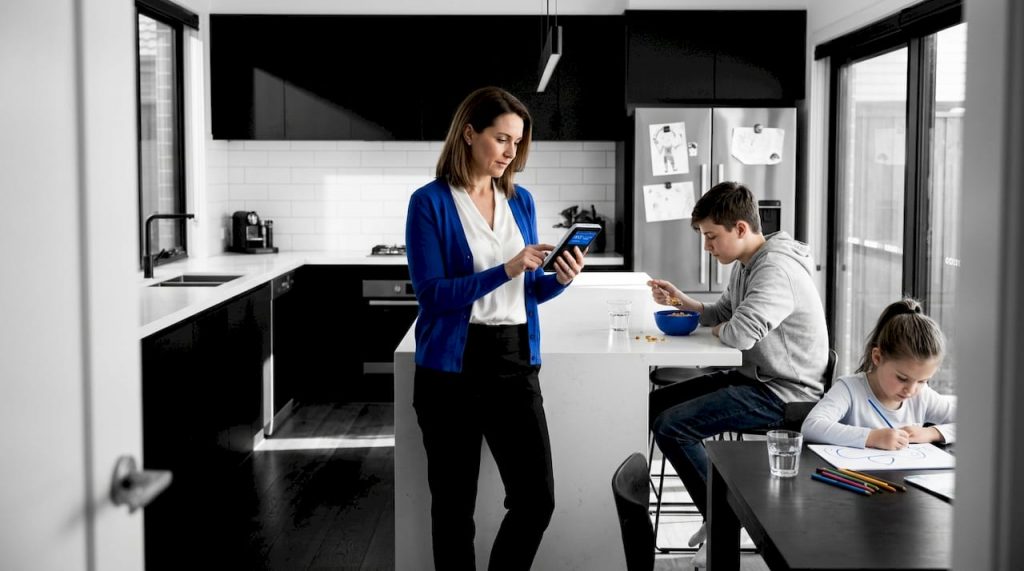
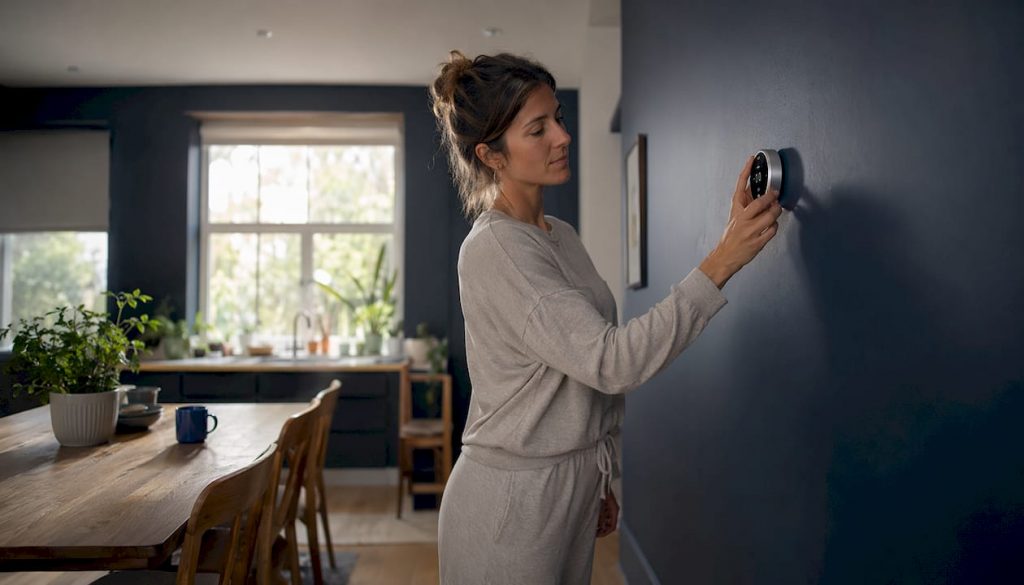
Climate control devices are systems that regulate indoor temperature, humidity, and air quality automatically to maintain healthy and comfortable living conditions. The role of climate control devices extends well beyond simple heating or cooling. These systems, collectively known in the industry as HVAC (Heating, Ventilation, and Air Conditioning) solutions, now incorporate sensors, automation, and adaptive algorithms that respond to real-time conditions inside your home. For homeowners and renters across the UAE, understanding how these devices work and what they deliver is the first step toward making genuinely informed decisions about indoor comfort and health.
How do climate control devices work to regulate indoor air?
Climate control devices operate through a network of sensors that continuously measure temperature, humidity, and air quality. When readings fall outside a set range, the system triggers the appropriate response, whether that is heating, cooling, ventilation, humidification, or air purification. This process happens automatically, without you needing to adjust a dial.
Modern systems go further with occupancy-based automation, where sensors detect whether a room is occupied and adjust airflow and temperature accordingly. This reduces energy waste and keeps air quality consistent across different zones of your home. The result is a system that responds to how you actually live, rather than running at full capacity regardless of need.
Advanced multi-mode HVAC systems demonstrate just how capable this technology has become. Research shows these systems can adjust cabin temperature within 5 minutes, shifting from 35°C down to 24.2°C or from 7°C up to 30°C while maintaining a high coefficient of performance. That level of responsiveness means comfort is restored quickly without prolonged energy draw.
Key functions covered by modern climate control systems include:
- Temperature regulation: Heating and cooling to maintain a consistent target range
- Humidity management: Humidifiers add moisture; dehumidifiers remove excess moisture
- Air purification: Filters capture allergens, dust, and pollutants before they circulate
- Ventilation: Fresh air exchange prevents the build-up of CO2 and indoor pollutants
- Smart scheduling: Timers and occupancy detection reduce operation during empty periods
Pro Tip: Set your system’s occupancy detection feature to activate during your typical away hours. This alone can meaningfully reduce how long your devices run at full capacity each day.
What are the main benefits of installing climate control devices?
The benefits of climate control devices fall into three clear categories: health, comfort, and cost. Each one compounds the others when the system is properly configured.
Better indoor air quality is the most direct health benefit. Air purifiers with HEPA-grade filters remove fine particles, allergens, and pollutants that standard ventilation misses. For households with allergy sufferers or young children, this is a material improvement in daily wellbeing, not a marginal one.
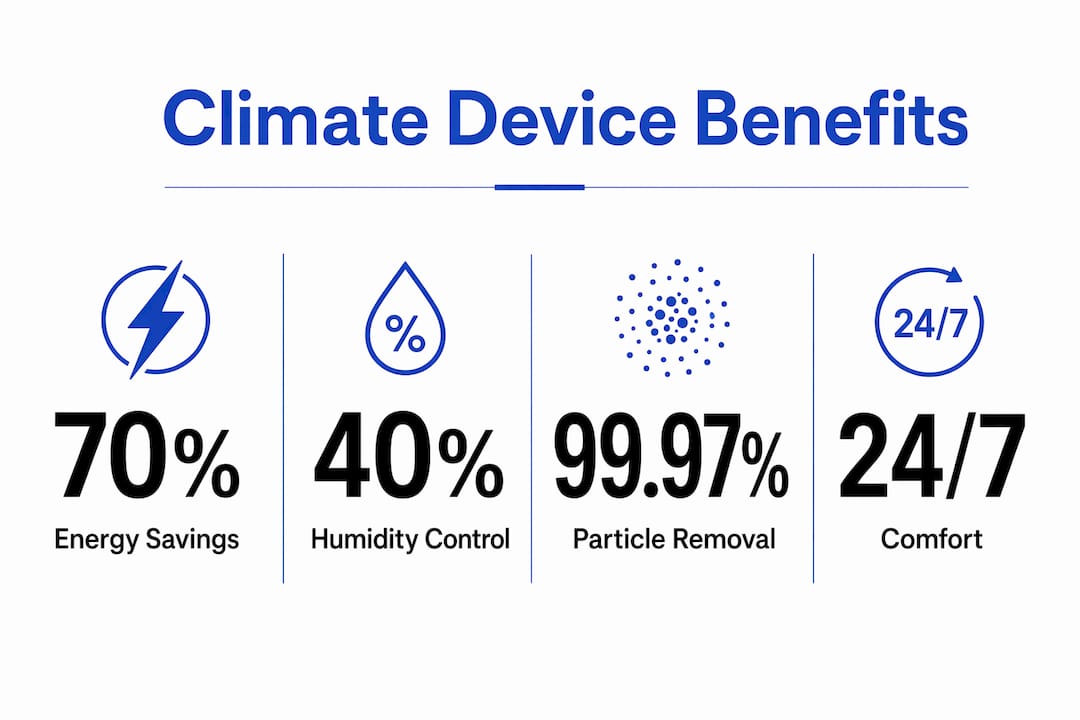
Balanced indoor humidity is equally important and often overlooked. Air that is too dry causes respiratory irritation and skin discomfort. Air that is too humid promotes mould growth and dust mite activity. Maintaining humidity within the recommended range of 40%–60% relative humidity addresses both risks simultaneously.
From a cost perspective, the efficiency gains are real. Poorly optimised HVAC systems waste 10%–20% of their energy consumption by running at full capacity regardless of actual load. Smart climate control eliminates that waste by matching output to demand.
Additional benefits include:
- Reduced allergen load: Consistent filtration lowers the concentration of dust, pollen, and pet dander
- Mould prevention: Dehumidifiers keep moisture levels below the threshold where mould colonies establish
- Equipment longevity: Systems that run efficiently and avoid overworking components last longer
- Consistent comfort: Automated zoning means bedrooms, living areas, and offices each hold their target conditions
Which climate control technologies suit homes best?
Several device categories make up a complete home climate control system. Each addresses a specific aspect of indoor environmental quality.
| Device type | Primary function | Best suited for |
|---|---|---|
| Smart thermostat | Temperature scheduling and zoning | Whole-home temperature management |
| Air purifier | Removes airborne particles and pollutants | Allergy relief, dust and odour control |
| Humidifier | Adds moisture to dry indoor air | Dry climates, air-conditioned spaces |
| Dehumidifier | Removes excess moisture | Humid climates, bathrooms, basements |
| Automated blinds | Reduces solar heat gain | Sun-facing rooms, reducing cooling load |
Smart thermostats are the control hub of most modern setups. They learn your schedule, integrate with other devices, and allow remote adjustment through a smartphone app. Remote monitoring and automatic adjustments through connected apps support consistent indoor comfort without manual intervention.
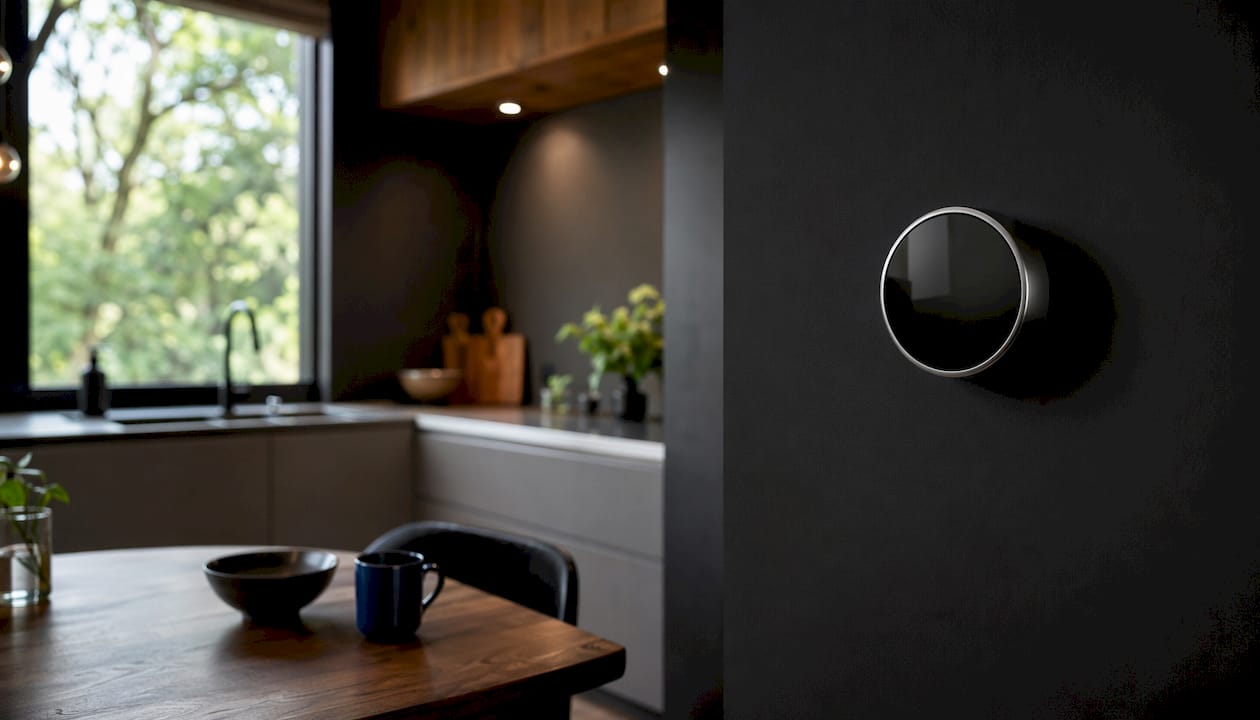
Air purifiers with multi-stage filtration handle particulate matter, volatile organic compounds (VOCs), and biological contaminants. For UAE homes where dust ingress is a persistent challenge, a quality air purifier running continuously makes a measurable difference to air clarity and respiratory comfort.
Humidifiers and dehumidifiers work in opposition to each other, and the right choice depends on your local climate and the season. In air-conditioned spaces, the cooling process strips moisture from the air, making a humidifier the appropriate counterbalance. In coastal or high-humidity environments, a dehumidifier prevents the conditions that allow mould to take hold.
Integration with smart home ecosystems, such as connecting devices through a central hub or app, allows all these systems to work in coordination. A well-integrated setup means your air purifier ramps up when outdoor pollution spikes, your dehumidifier activates when humidity crosses a threshold, and your thermostat adjusts when the last person leaves a room.
How do climate control devices contribute to energy efficiency?
Energy efficiency is where modern climate control technology separates itself from older manual systems. The core principle is simple: run only as much as conditions require, and no more.
Smart climate control devices use integrated sensors and occupancy detection to adjust airflow and temperature automatically. This prevents the common waste pattern of cooling or heating an empty room to the same level as an occupied one. Over a full day, those savings accumulate significantly.
Modern systems also offer intelligent auto-calibration profiles that let you select between rapid comfort response and energy conservation modes. This means you are not locked into one setting. You can prioritise speed on a hot afternoon and switch to an efficiency-first mode overnight when comfort demands are lower.
The environmental benefit follows directly from reduced energy consumption. A home that avoids running HVAC at full capacity unnecessarily draws less power from the grid. For households focused on reducing their environmental footprint, this is a practical and measurable contribution, not just a theoretical one.
Pro Tip: Use your system’s energy-efficient air cleaning settings during off-peak hours. Many smart systems allow you to schedule high-intensity purification cycles for times when energy demand and tariffs are lower.
What practical tips help you get the most from climate control devices?
Getting the best performance from your climate control setup requires consistent attention, not just a one-time installation. The following steps make a genuine difference.
-
Schedule regular sensor calibration. Temperature and humidity sensors drift over time. A sensor reading 2°C higher than actual will cause your system to overcool, wasting energy and reducing comfort. Check calibration every six months.
-
Use zoning and scheduling features. Set different temperature targets for bedrooms, living areas, and home offices based on when each space is occupied. Avoid the common mistake of cooling every room to the same level at all times.
-
Monitor air quality readings. Many smart systems display real-time air quality data. Regular monitoring helps you detect environmental drift before it becomes a comfort or health problem. If your air quality index rises unexpectedly, check your filters first.
-
Replace filters on schedule. A clogged filter forces your air purifier to work harder for less result. Most residential filters need replacement every three to six months, depending on usage and local air conditions.
-
Avoid overcooling empty spaces. Running your system at full capacity in unoccupied rooms is the single most common source of unnecessary energy use. Occupancy detection features exist precisely to prevent this. Activate them.
-
Review your settings seasonally. Humidity targets, temperature ranges, and scheduling all benefit from a seasonal review. What works in a UAE summer differs from what is appropriate in the cooler months.
Key takeaways
Climate control devices deliver the greatest benefit when sensors, automation, and regular maintenance work together to match system output to actual indoor conditions.
| Point | Details |
|---|---|
| Sensors drive performance | Temperature, humidity, and air quality sensors are the foundation of any effective climate control system. |
| Humidity balance matters | Keeping indoor humidity between 40%–60% prevents both mould growth and respiratory discomfort. |
| Energy waste is avoidable | HVAC systems running at full capacity regardless of load waste 10%–20% of their energy consumption. |
| Smart automation reduces effort | Occupancy detection and scheduling features maintain comfort without constant manual adjustment. |
| Maintenance protects investment | Regular sensor calibration and filter replacement keep systems performing at their rated efficiency. |
Why I think most homeowners underestimate these systems
Having spent years observing how people interact with climate control technology, the pattern I see most often is this: homeowners install a device, set a temperature, and then forget it exists. That “set and forget” approach is the single biggest reason people feel their system is underperforming.
The reality is that indoor environments drift. Humidity shifts with the seasons, dust loads change with occupancy patterns, and sensors lose calibration over time. A system that was perfectly tuned at installation will gradually diverge from optimal conditions if nobody checks it. The consequences are subtle at first: slightly stale air, a room that never quite feels comfortable, a utility bill that creeps upward without obvious cause.
What I find genuinely interesting about the current generation of climate control technology is that it is designed to compensate for exactly this human tendency. Auto-calibration profiles, real-time air quality dashboards, and remote app monitoring all exist to catch drift before it becomes a problem. The technology is ahead of the habits most people bring to it.
My honest view is that the gap between a well-managed climate control setup and a neglected one is larger than most people realise. The devices themselves are capable. The limiting factor is almost always attention and maintenance. Treat your climate control system as an ongoing process rather than a one-time purchase, and the returns in comfort, air quality, and energy savings are substantial.
— Nevel
Climatepro’s range for better indoor air quality
Climatepro stocks a full range of air purifiers, humidifiers, and dehumidifiers suited to UAE homes, apartments, and offices. Whether you need a compact unit for a single room or a system capable of handling a larger space, the catalogue covers a broad range of needs and budgets.

The Honeywell Air Touch P1 is a reliable entry point for households focused on allergen and dust control, priced at AED 591. For larger spaces or higher air quality demands, the Honeywell Air Touch U1 at AED 935 delivers greater coverage and filtration capacity. Climatepro also carries a full selection of air purifiers in Dubai with delivery across all seven emirates, including Dubai, Abu Dhabi, Sharjah, and Ras Al Khaimah. Every product comes with clear specifications so you can match the device to your actual room size and air quality goals.
FAQ
What is the role of climate control devices in a home?
Climate control devices regulate indoor temperature, humidity, and air quality to maintain healthy and comfortable living conditions. They use sensors and automation to respond to real-time conditions without requiring constant manual adjustment.
How do smart climate control systems save energy?
Smart systems use occupancy detection and scheduling to run only when and where needed. Poorly configured HVAC systems can waste 10%–20% of their energy by running at full capacity regardless of actual load, which smart controls directly prevent.
What humidity level should I maintain indoors?
The recommended indoor humidity range is 40%–60% relative humidity. Below this range, air becomes dry enough to cause respiratory irritation; above it, conditions favour mould growth and dust mite activity.
How often should I replace filters in my air purifier?
Most residential air purifier filters need replacement every three to six months, depending on usage intensity and local air quality. In dusty environments like many UAE locations, checking filters every three months is the more reliable schedule.
Can climate control devices help with allergies?
Air purifiers with HEPA-grade filtration remove fine particles, pollen, pet dander, and dust from indoor air, reducing the allergen load that triggers allergy symptoms. Combined with a dehumidifier to control mould, these devices create a meaningfully cleaner indoor environment.