UAE apartment residents deal with a persistent reality: air that carries fine dust, allergens, and elevated humidity all year round. Sandstorms push particulates through every gap, coastal moisture encourages mould growth, and sealed air conditioning systems recirculate the same stale air for hours. The result is a living environment that triggers sneezing, headaches, disturbed sleep, and chronic allergy symptoms for many households. The good news is that targeted, evidence-backed actions can produce measurable improvements without major renovations or high costs.
Table of Contents
- Understanding indoor air quality issues in UAE apartments
- Preparing your apartment: Tools and techniques for cleaner air
- Step-by-step guide to improving indoor air quality
- Monitoring outcomes and avoiding common mistakes
- Our perspective on apartment air improvement in the UAE
- Recommended solutions for better air quality
- Frequently asked questions
Key Takeaways
| Point | Details |
|---|---|
| Control humidity first | Maintaining 40–60% humidity prevents microbial growth and reduces allergens. |
| Upgrade filtration | High-efficiency filters in HVAC and purifiers reduce dust and allergy symptoms. |
| Follow stepwise cleaning | Proper bedding, regular cleaning, and effective ventilation are key to healthy air. |
| Monitor air quality | Simple testing and regular maintenance help quickly spot issues and ensure lasting improvements. |
Understanding indoor air quality issues in UAE apartments
UAE apartments face a combination of air quality challenges that are largely unique to the region. Understanding what you are up against is the first step toward fixing it.
High humidity and microbial growth
The UAE’s coastal cities, particularly Dubai, Abu Dhabi, and Sharjah, experience relative humidity levels that regularly exceed comfortable indoor thresholds. When humidity inside an apartment rises above 60%, conditions become favourable for mould spores, dust mites, and bacteria to multiply on surfaces, soft furnishings, and inside air conditioning ducts. Maintaining indoor relative humidity around 40 to 60% is essential to reducing microbial growth risk common in UAE conditions. Apartments on lower floors or those facing the sea tend to record the highest humidity readings.
Airborne particulates and allergens
Dust is the most visible air quality problem in UAE apartments. Shamal winds carry fine sand particles that settle on every surface and remain suspended in the air for extended periods. Beyond sand, common indoor allergens include:
- Dust mite waste particles
- Pet dander from cats and dogs
- Cockroach allergens, prevalent in older buildings
- Pollen carried indoors on clothing and through gaps around windows
- Mould spores released from damp areas near air conditioning units
These particles are often invisible but measurable. PM2.5 refers to particles smaller than 2.5 micrometres in diameter. These penetrate deep into the lungs and are associated with respiratory irritation and longer-term health effects.
CO2 build-up and poor ventilation
UAE apartments are typically well insulated to conserve cooling energy, which limits natural air exchange. Without adequate ventilation, carbon dioxide (CO2) concentrations build up from breathing, cooking, and other activities. High CO2 is associated with drowsiness, reduced concentration, and headaches. Reviewing your indoor air change guide can help you calculate whether your current ventilation rate is sufficient for the number of occupants in your apartment.
Common symptoms to watch for
| Symptom | Likely cause |
|---|---|
| Sneezing and runny nose | Dust mite allergens, pollen, mould spores |
| Persistent cough | PM2.5 particulates, pet dander |
| Headaches or fatigue | Elevated CO2, poor ventilation |
| Musty odour | Mould or mildew in ducts or walls |
| Itchy eyes | Airborne allergens |
If residents notice these symptoms improving when they leave the apartment and returning when they come back, indoor air quality is likely a primary contributor.
Preparing your apartment: Tools and techniques for cleaner air
Before making specific improvements, it helps to assemble the right tools and understand which devices address which problems. Not all air quality products are interchangeable.
HEPA air purifiers
HEPA stands for High Efficiency Particulate Air. A true HEPA filter captures at least 99.97% of airborne particles at 0.3 micrometres in size, which covers dust, pollen, mould spores, and most pet dander. Choosing the right purifier depends on the room size measured in square metres and the air changes per hour (ACH) the device can achieve in that space. Check purifier buying tips to understand how to match a unit’s clean air delivery rate (CADR) to your room.
Humidity control devices
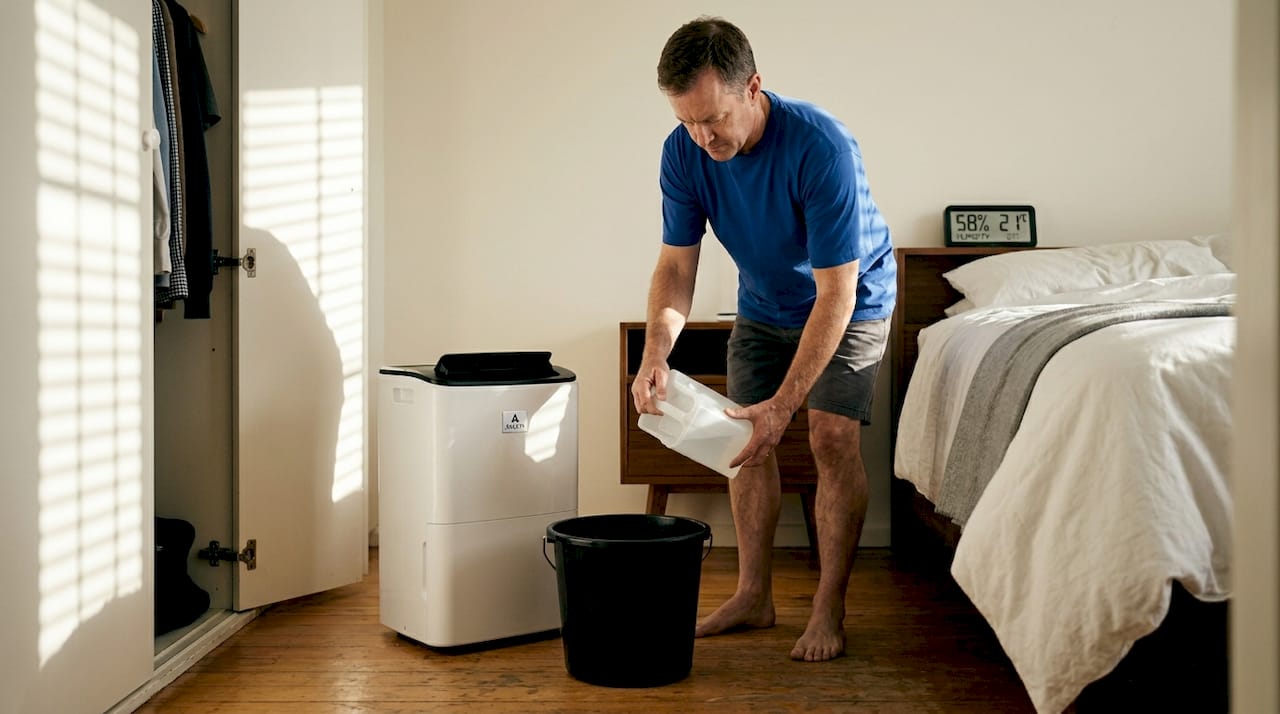
Dehumidifiers extract excess moisture from the air and are particularly effective during the UAE’s humid summer months from May to September. Humidifiers, on the other hand, add moisture during dry winter months when indoor air can become uncomfortably arid from continuous air conditioning use. Understanding when to use each device is important for maintaining the target range of 40 to 60% relative humidity year round.
Filtration upgrades for HVAC systems
The filter inside your apartment’s central or split air conditioning unit is a critical but often overlooked component. Filtration upgrades and correct matching to HVAC airflow represent a proven method for reducing airborne particulate and allergen load. Using a filter that is too restrictive for the system’s fan capacity will reduce airflow and may cause the unit to work harder, increasing energy consumption without improving results.
Comparing key air quality devices
| Device | Primary function | Best used for |
|---|---|---|
| HEPA air purifier | Removes particles and allergens | Dust, pollen, dander, mould spores |
| Dehumidifier | Reduces excess moisture | Preventing mould and dust mite growth |
| Humidifier | Adds moisture to dry air | Winter dryness from continuous AC use |
| HVAC filter upgrade | Improves whole-apartment filtration | Ongoing particulate reduction |
When selecting air filter options, look for filters rated MERV 11 or higher for effective allergen capture while still maintaining adequate airflow in standard residential HVAC units.
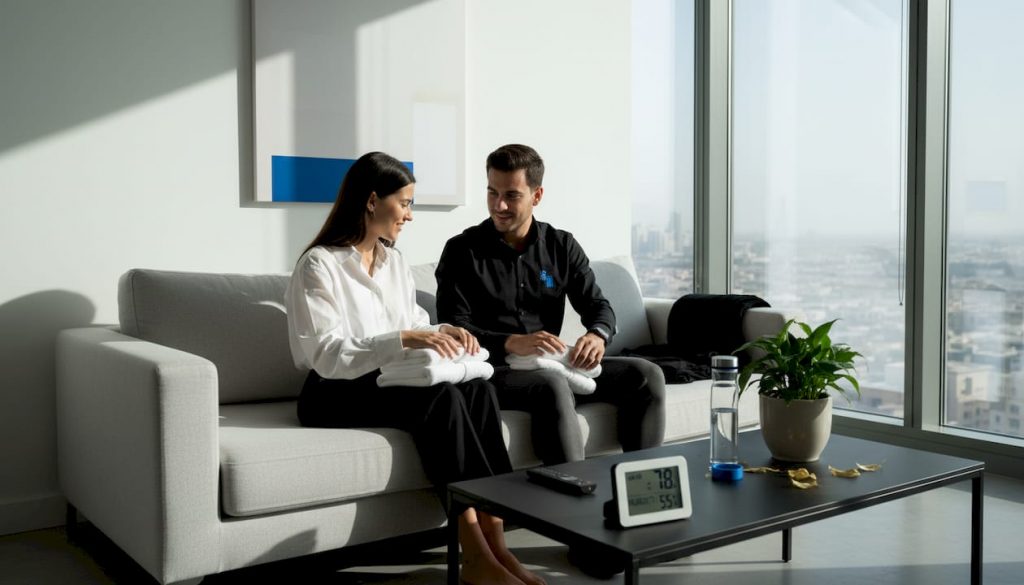
Pro Tip: Place a hygrometer (a small, affordable humidity meter) in your bedroom and living area before purchasing any devices. Actual humidity readings will tell you whether a dehumidifier or humidifier is the more pressing investment for your apartment.
Step-by-step guide to improving indoor air quality
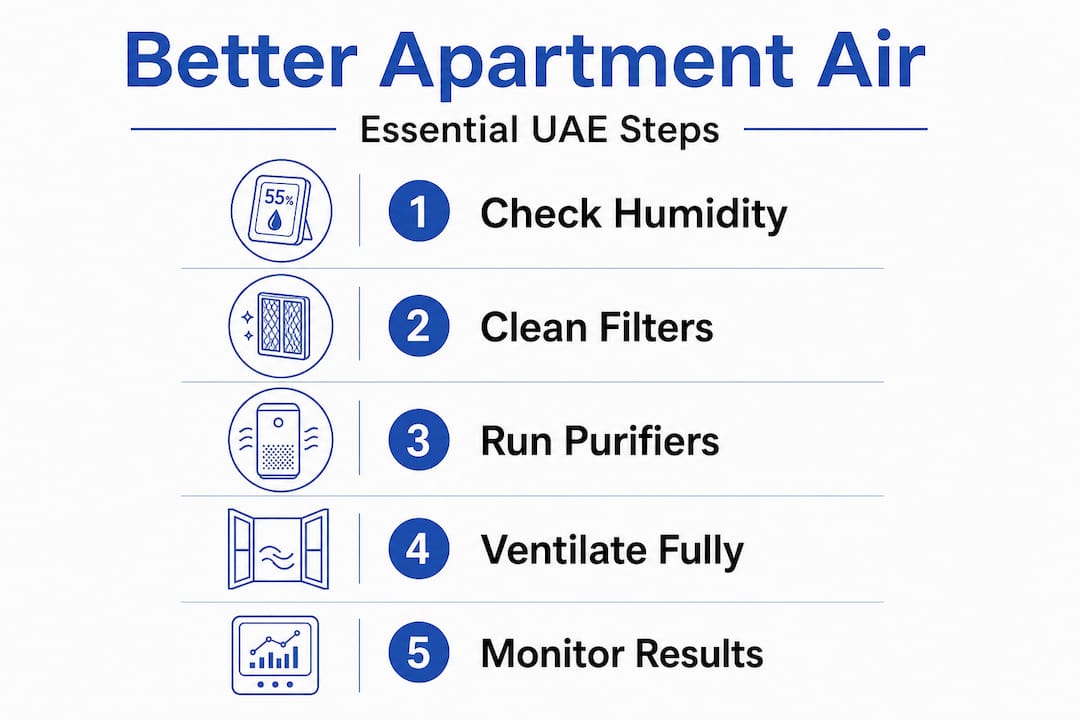
With the right tools in place, a structured approach produces the best results. Follow these steps in order for the most effective outcome.
-
Measure baseline conditions. Before changing anything, record humidity, temperature, and if possible PM2.5 levels in at least two rooms. This gives you a reference point to compare against after improvements.
-
Bring humidity into the target range. If your apartment reads above 60% relative humidity, running a dehumidifier is the single most impactful first step. Dust mites struggle to survive at humidity below 50%, and mould growth slows significantly below 60%. If your apartment reads below 40%, particularly in winter, consider a humidifier to prevent dry nasal passages and irritated airways.
-
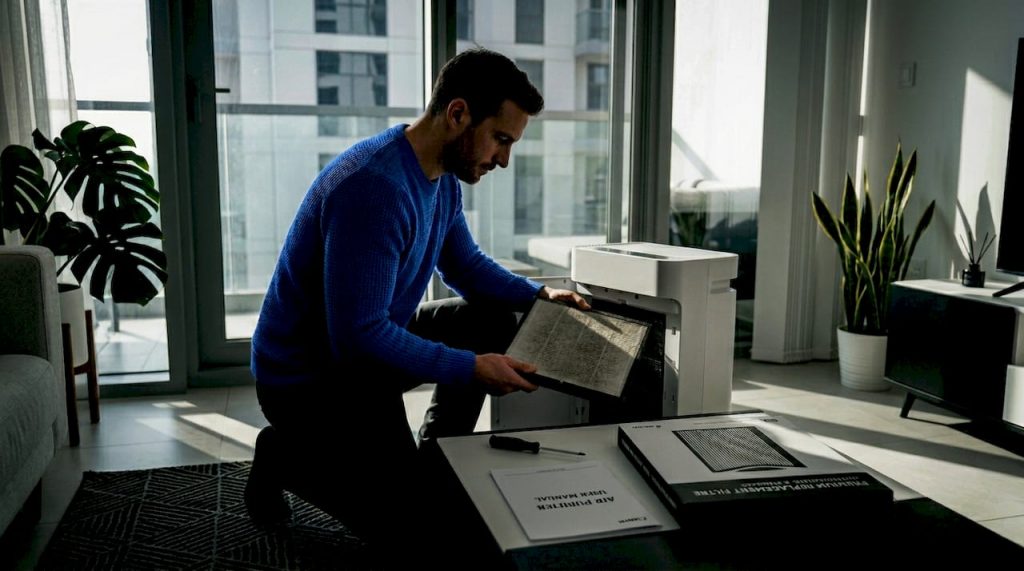
Upgrade or clean your HVAC filter. Remove and inspect the current filter. If it is grey, clogged, or has not been replaced in over three months, replace it with a higher-efficiency option suited to your unit. A clean, correctly rated filter alone can noticeably reduce ambient dust within days.
-
Deploy a HEPA air purifier in high-use rooms. Bedrooms and living rooms are the priority. Run the purifier at medium to high speed during the day or whenever the room is occupied, and at a lower setting overnight if noise is a concern.
-
Encase mattresses and pillows in allergen-proof covers. Dust mites concentrate heavily in bedding. For dust-mite and allergen relief, focus on bedding encasements, washing bedding weekly in hot water, reducing humidity below 50%, and using HEPA filtration and HEPA vacuums. Hot water means above 60 degrees Celsius to effectively kill mite populations.
-
Vacuum with a HEPA-filter vacuum cleaner twice weekly. Standard vacuums without HEPA filters exhaust fine particles back into the air. A HEPA vacuum traps them. Pay particular attention to mattresses, upholstered furniture, and carpeted areas.
-
Minimise pollutant sources indoors. Avoid candles, incense sticks, and aerosol sprays in enclosed spaces. When cooking, use the extractor fan consistently, as cooking on a gas hob produces nitrogen dioxide and fine particulate matter that accumulate quickly in a sealed kitchen.
Consistency matters more than intensity. Running a purifier for a few days then switching it off allows allergen levels to rebuild. Sustained, daily use delivers the measurable reductions that improve symptoms over weeks and months.
Pro Tip: Washing curtains and sofa covers monthly significantly reduces settled allergens. In UAE apartments where dust accumulates quickly, fabric surfaces act as allergen reservoirs that recontaminate the air every time they are disturbed.
Monitoring outcomes and avoiding common mistakes
Taking action without measuring results makes it difficult to know what is working. Monitoring closes the loop.
Using affordable air quality meters
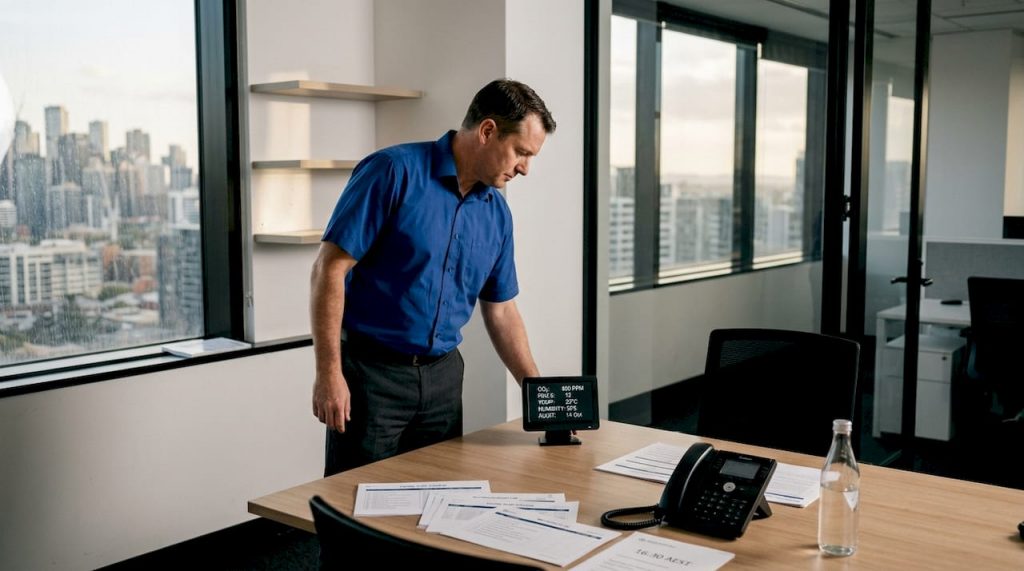
Compact air quality monitors are now widely available and display PM2.5 levels, CO2 concentration, temperature, and humidity in real time. Place a monitor in the main bedroom and one in the living area. Check readings before and after running purifiers and after vacuuming to observe the direct effect of each action. If PM2.5 readings remain persistently high despite running a purifier, the device may be undersized for the room, the filter may need replacing, or there is a nearby pollutant source not yet addressed.
What to review regularly
- Humidity levels morning and evening
- PM2.5 levels before and after major cleaning activities
- CO2 levels during periods when the apartment is occupied with multiple people
- Filter condition, physically checked every four weeks
- Visible mould around air conditioning vents or bathroom walls
The CO2 misunderstanding
A common misconception is that managing CO2 levels inside an apartment guarantees clean air. Ventilation control should be based on indoor air quality and pollutant sources, not CO2 alone; CO2-removal air cleaning does not necessarily remove other pollutants. CO2 is a useful indicator of fresh air supply, but it says nothing about particulate levels, VOC (volatile organic compound) concentrations, or allergen load. Reviewing ventilation best practices alongside particulate monitoring gives a much more complete picture of indoor air health.
Common pitfalls that reduce effectiveness
- Neglecting filter changes. A clogged filter reduces airflow and can release trapped particles back into the air. Set a calendar reminder every 60 to 90 days.
- Mismatching filter efficiency to HVAC capacity. A filter rated too high for the unit restricts airflow, reduces cooling efficiency, and may not capture more allergens than a correctly matched lower-rated filter.
- Relying on a single solution. Air purifiers alone will not solve a mould problem caused by excess humidity. Humidity control and purification work together, not as substitutes.
- Ignoring the bedroom. Because adults spend approximately seven to nine hours in the bedroom, allergen concentrations there have the greatest impact on symptom severity. This room should receive priority treatment.
Visiting the ClimatePro UAE website provides a useful overview of products designed to address these combined challenges within UAE apartment conditions.
Our perspective on apartment air improvement in the UAE
One observation that stands out after working with UAE apartment residents is how often people invest in an air purifier as the first purchase, before addressing humidity. The logic seems sensible: purifiers are visible, they make a room feel cleaner, and they are easy to use. But in a high-humidity environment, allergen and mould spore levels will keep climbing back because the root condition, excess moisture, has not been corrected.
The more effective sequence is to stabilise humidity first, then layer in purification. When humidity stays consistently below 50%, dust mite populations decline naturally, mould finds fewer surfaces to colonise, and a purifier running in that controlled environment produces results that actually last. Residents who follow this order typically report improvement in sleep quality and reduction in morning allergy symptoms within two to four weeks.
Another pattern worth noting: many apartments have air conditioning filters that have not been inspected in years. The filter collects particles continuously but without replacement, it becomes a pollutant source rather than a solution. This is one of the most cost-effective and overlooked improvements available.
The real-world air quality results documented for apartments with adequate air changes per hour confirm that ventilation and filtration together outperform either approach alone. The lesson is that multi-layered, consistent maintenance produces durable improvements, whereas single-device solutions tend to plateau quickly.
Recommended solutions for better air quality
If you are ready to take action, ClimatePro UAE carries a curated range of products suited specifically to UAE apartment conditions, from compact bedroom purifiers to whole-apartment dehumidifiers.

Browse the full air purifier selection to find units matched to your room size and air change requirements. The dehumidifier range includes models appropriate for both small apartments and larger open-plan layouts. For a well-regarded option that combines HEPA and activated carbon filtration in a compact footprint, the Honeywell Air Touch P2 is a strong performer for bedrooms and living rooms. ClimatePro UAE delivers across Dubai, Abu Dhabi, Sharjah, Ajman, Ras Al Khaimah, Fujairah, and Umm Al Quwain, making it straightforward to start improving your apartment’s air without delay.
Frequently asked questions
What humidity level should I target in UAE apartments?
Aim for 40 to 60% relative humidity to minimise microbial growth risk common in UAE conditions. Keeping humidity consistently within this range also limits dust mite populations and reduces mould colonisation on walls and surfaces.
Are air purifiers effective against dust mites in UAE apartments?
HEPA air purifiers and HEPA vacuum cleaners reduce airborne dust mite particles significantly, but bedding encasements and weekly hot-water washing are equally important for controlling the source. Using both approaches together produces the greatest allergen reduction.
How often should I change air filters in my apartment?
Filters should be physically checked every four weeks and replaced at least every three to six months, depending on usage level, filter type, and the volume of dust typical in your building. During peak UAE dust seasons, more frequent replacement may be necessary.
Does lowering CO2 inside guarantee clean air?
Reducing CO2 levels alone does not remove all indoor pollutants. Ventilation control based on CO2 alone misses particulates, allergens, and VOCs. A complete approach monitors and addresses multiple air quality indicators simultaneously.