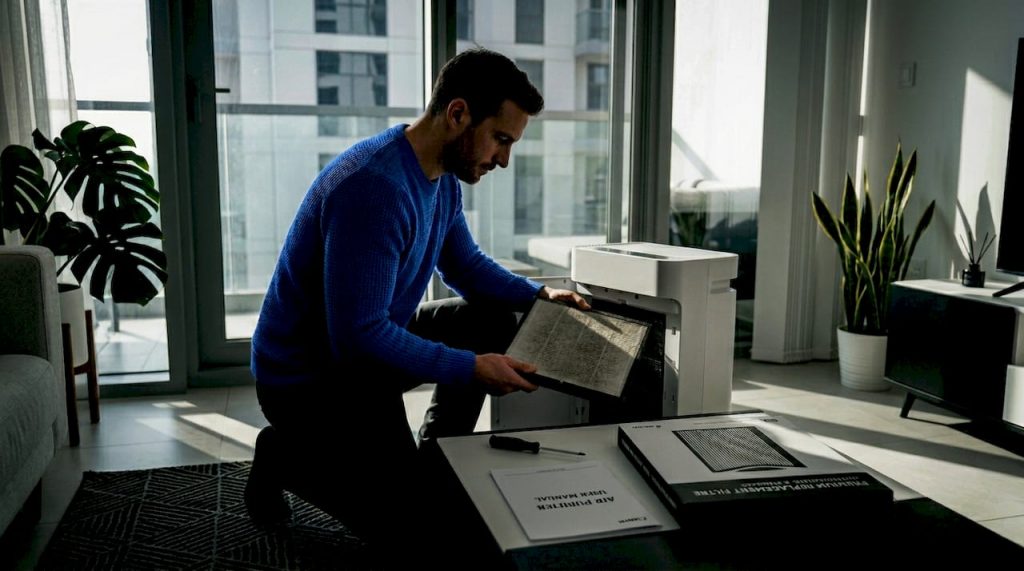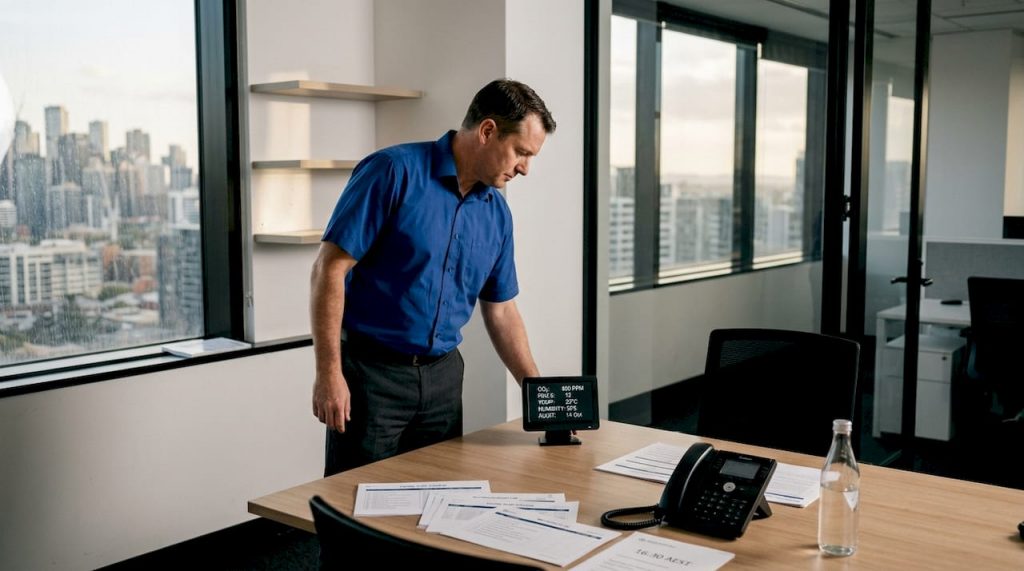
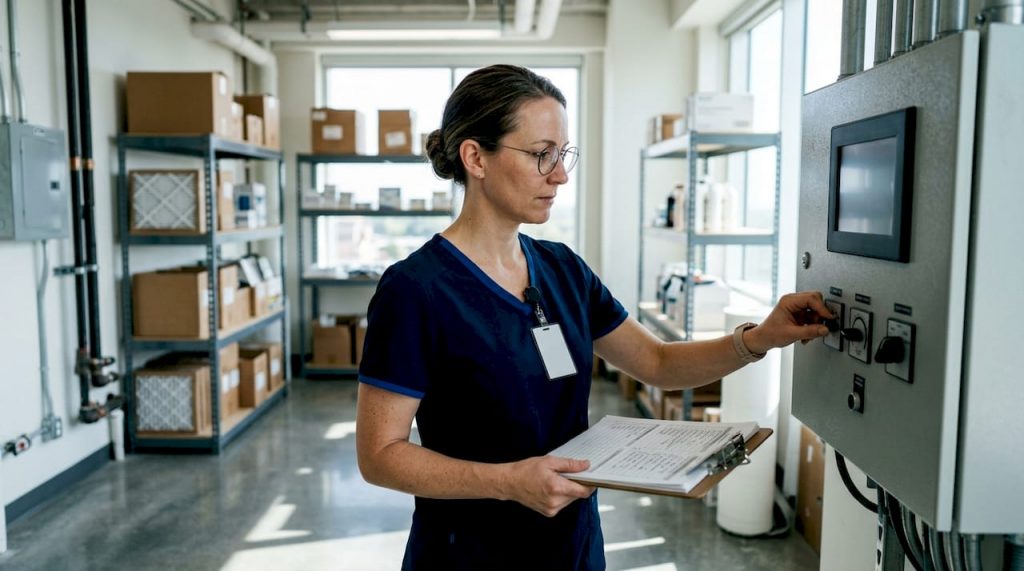
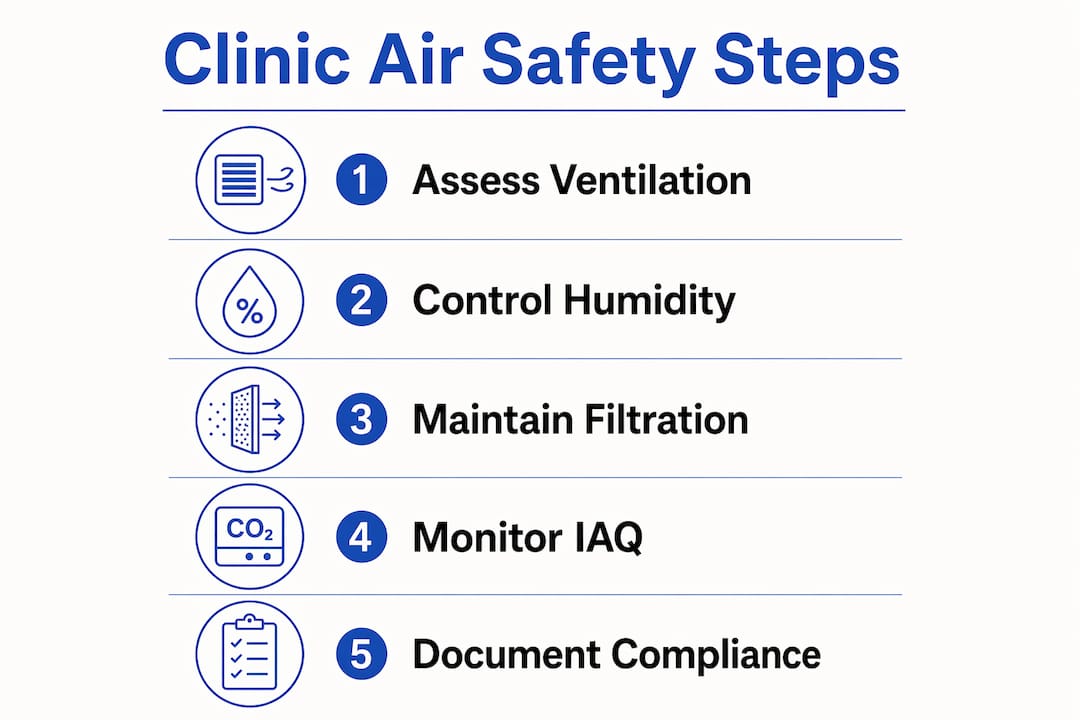
Clinic air safety is defined as the controlled management of indoor air quality to reduce healthcare-associated infections and protect patients and staff from airborne contaminants. Poor indoor air quality contributes to hundreds of millions of healthcare-associated infections annually, costing over $200 billion in high-income nations. That figure alone signals that how to enhance clinic air safety is not a facilities afterthought. The standard industry term for this discipline is indoor air quality management, or IAQ management, and it encompasses ventilation rates, HEPA filtration, humidity control, pressure differentials, and real-time monitoring. Each layer reinforces the others, and removing any one of them creates measurable risk.
How to enhance clinic air safety through ventilation standards
Ventilation is the foundation of IAQ management in any clinical setting. Healthcare guidelines require air change rates of 4–6 ACH for exam rooms and 12–15 ACH for procedure rooms, with humidity maintained between 40–60%. These figures are not suggestions. They reflect the minimum thresholds needed to dilute airborne pathogens and prevent viral survival on surfaces and in the air column.
Humidity control within the 40–60% band serves two distinct purposes. Below 40%, electrostatic discharge risks increase and respiratory mucous membranes dry out, reducing natural defences. Above 60%, mould growth accelerates and certain pathogens survive longer on surfaces.
Clinical ventilation must maintain minimum air volumes regardless of occupancy. Automated building controls that reduce airflow in unoccupied rooms create non-compliance the moment a patient enters. Facilities teams must override or programme these systems to hold minimum ACH at all times in clinical zones.
Understanding air changes per hour and their relationship to air quality helps administrators make informed decisions about HVAC settings and supplementary filtration.
Key ventilation requirements for clinical spaces include:
- Exam rooms: 4–6 ACH minimum
- Procedure rooms: 12–15 ACH minimum
- Humidity target: 40–60% relative humidity across all clinical zones
- Occupancy override: Ventilation must not reduce below minimum ACH when rooms are unoccupied
- Continuous operation: Clinical HVAC systems must run 24 hours a day, seven days a week
Pro Tip: Verify actual ACH with calibrated instrumentation after installation and after any HVAC modification. Design specifications frequently differ from measured performance, and the measured figure is what regulators assess.
How do filtration and pressure differentials protect clinic air?
Filtration and zone pressure management are the two most direct controls for containing airborne contaminants between clinical spaces. Using lower-rated filters like MERV 8 instead of MERV 13 or HEPA in clinical spaces is a common but dangerous mistake that risks both patient safety and regulatory compliance. MERV 13 is the minimum rating for air handling units in medical offices. HEPA filtration is mandatory in operating theatres, airborne infection isolation rooms, and protected environment rooms.
Pressure differentials between zones are equally critical. Pressure differentials of at least 2.5 Pascals are the minimum recommended between adjacent clinical zones. That gap prevents contaminated air from migrating from higher-risk areas into lower-risk corridors or patient rooms.
Pressure differentials are the most critical HVAC parameters affecting patient safety in airborne infection isolation and protected environment rooms. This is why continuous pressure monitoring with audible and visual alarms is mandated, not optional.
Filtration and pressure requirements by zone type:
- General exam rooms: MERV 13 minimum filtration
- Procedure rooms and theatres: HEPA filtration required
- Airborne infection isolation rooms: Continuous negative pressure, minimum 2.5 Pa differential, alarms mandatory
- Protected environment rooms: Continuous positive pressure, minimum 2.5 Pa differential, alarms mandatory
- Corridor-to-room transitions: Pressure verified at each shift, not just at commissioning
Pro Tip: Never assume a door seal compensates for inadequate pressure differential. Seals degrade. Pressure monitoring with real-time alarms is the only reliable safeguard.
For clinics seeking supplementary filtration to complement HVAC systems, the clinic air purification guide from Climatepro outlines how standalone HEPA units integrate with existing ventilation infrastructure.
What are the best practices for continuous IAQ monitoring in clinics?
Real-time IAQ monitoring converts invisible air quality problems into visible, manageable data. A layered approach using IAQ sensors for PM2.5, VOCs, CO2, temperature, and humidity gives clinical teams the information they need to act before conditions affect patient health. Each parameter tells a different story about what is happening in the air.
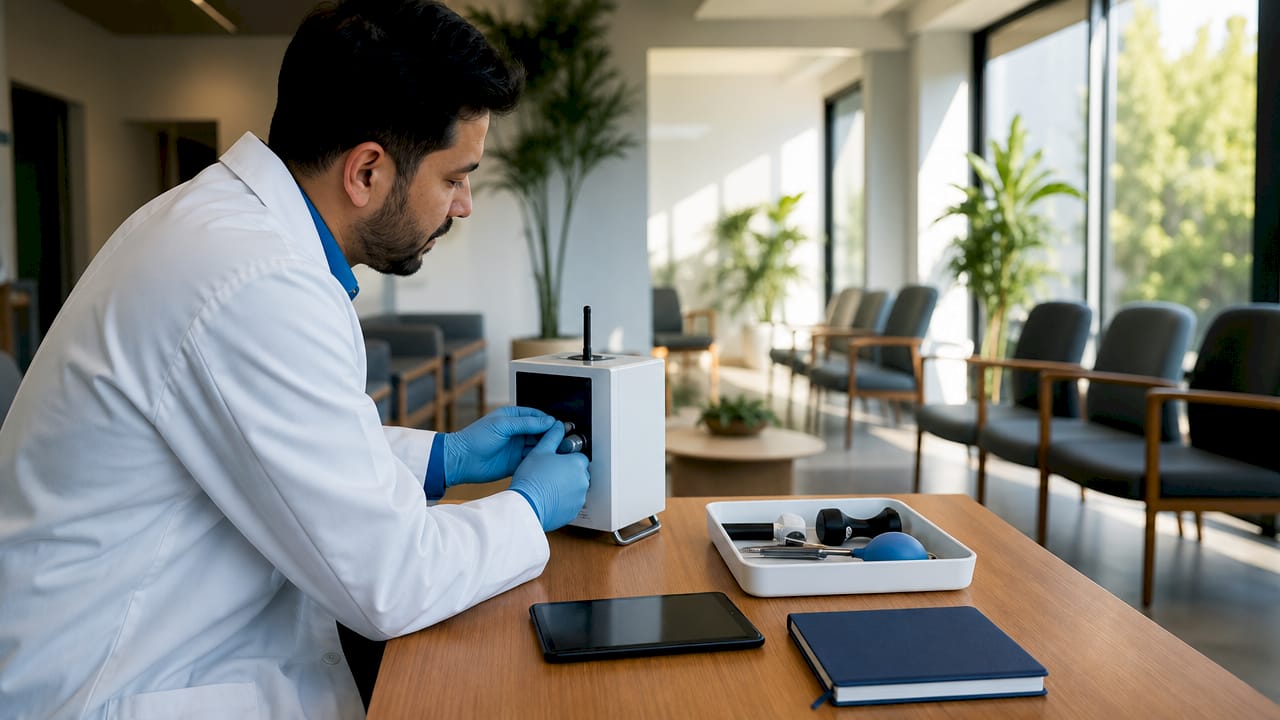
PM2.5 sensors detect fine particulate matter that carries pathogens and allergens. VOC sensors identify chemical off-gassing from cleaning products, building materials, and medical supplies. CO2 levels indicate whether ventilation is adequate for the number of people in a space. Temperature and humidity sensors confirm that HVAC systems are holding clinical targets.
Data dashboards connected to these sensors allow facilities managers to spot trends before they become clinical problems. A gradual CO2 rise in a waiting room, for example, signals that the ventilation system is underperforming before any patient reports symptoms. Early detection reduces both health risk and the cost of reactive remediation.
IAQ data also supports accreditation and quality improvement processes. Regulators increasingly expect documented evidence of continuous monitoring, not just periodic spot checks. Integrating sensor data into quality management systems creates an auditable record that demonstrates ongoing compliance.
The role of smart air monitors in clinical settings has expanded significantly in 2026, with many facilities now embedding sensor outputs directly into staff handover protocols.
Pro Tip: Set alert thresholds at 80% of the regulatory limit, not at the limit itself. This gives staff time to investigate and correct before a breach occurs.
How can clinics document ventilation performance for compliance?
Documentation is the difference between a clinic that maintains air safety and one that can prove it. Regulatory inspections demand documented filter changes, ACH verification records, and pressure differential logs. Missing records can fail a certification audit regardless of actual maintenance quality.
ASHRAE 43 recommends that facilities managers develop written Ventilation Management Plans covering monitoring schedules, maintenance intervals, and corrective action procedures. Proper ventilation management plans involving multidisciplinary teams improve outcomes and prepare clinics for inspections. The plan should name responsible personnel, set frequencies for each task, and specify the documentation format.
A compliant documentation system covers the following tasks:
- Filter change logs: Record date, filter type, MERV or HEPA rating, and technician name for every replacement.
- Coil cleaning records: HVAC coil cleaning reduces mould risk and microbial contamination. Log each cleaning with date and method.
- ACH verification: Conduct and record air balance measurements after installation, after any HVAC modification, and at least annually.
- Pressure differential logs: Record readings for isolation and protected environment rooms at each shift or via continuous monitoring systems.
- Corrective action records: Document every alarm event, its cause, and the resolution with timestamps.
| Documentation item | Minimum frequency |
|---|---|
| Filter change log | Per replacement event |
| Coil cleaning record | As per manufacturer schedule |
| ACH verification | Annually and post-modification |
| Pressure differential log | Continuous or per shift |
| Corrective action record | Per alarm event |
Digital compliance platforms simplify documentation and scheduling for ACH verification, filter changes, and pressure monitoring. They reduce the risk of missed entries and generate audit-ready reports automatically.
Pro Tip: Maintain a physical compliance binder as a backup to any digital system. Inspectors sometimes request paper records on the spot, and system outages during audits are not an acceptable excuse for missing documentation.
What cleaning practices support clean air in clinical environments?
Cleaning protocols directly affect VOC levels in clinical air. Fragrance-heavy disinfectants raise VOC levels that are harmful to indoor air quality, even when the products are effective against pathogens. VOCs are often odourless yet harmful, which means staff and patients may be exposed without any sensory warning.
Switching to low-VOC, fragrance-free cleaning products is the most direct way to reduce chemical contamination from cleaning activities. Staff training on application method matters as much as product selection. Wiping surfaces releases far fewer airborne particles than spraying. Spraying in an occupied clinical space can spike VOC and particulate readings within minutes.
Scheduling cleaning in well-ventilated conditions with patient spaces cleared reduces exposure for both patients and cleaning staff. Ventilation heat recovery systems, such as those used in energy-efficient clinical buildings, can maintain adequate airflow during cleaning without compromising thermal comfort or energy use.
Practical cleaning guidelines for clinical air safety:
- Use fragrance-free, low-VOC disinfectants approved for healthcare settings
- Train staff to wipe rather than spray wherever surfaces permit
- Schedule deep cleaning outside patient hours and with maximum ventilation active
- Ventilate spaces for at least 30 minutes after any spray-based disinfection before patients re-enter
- Review product VOC data sheets annually and update the approved product list accordingly
Pro Tip: Request VOC emission data from cleaning product suppliers before approving any new product for clinical use. Many products marketed as “green” still contain VOC-generating solvents.
Key takeaways
Clinic air safety requires a layered approach combining verified ventilation rates, MERV 13 or HEPA filtration, maintained pressure differentials, continuous IAQ monitoring, and documented compliance records.
| Point | Details |
|---|---|
| Ventilation rates are non-negotiable | Exam rooms need 4–6 ACH; procedure rooms need 12–15 ACH, maintained continuously. |
| Filtration must match the room type | MERV 13 is the minimum for general clinical areas; HEPA is mandatory in isolation and procedure rooms. |
| Pressure differentials prevent cross-contamination | Maintain at least 2.5 Pa between zones with continuous alarms in isolation and protected rooms. |
| Real-time monitoring enables early action | IAQ sensors for PM2.5, VOCs, CO2, temperature, and humidity allow correction before clinical impact. |
| Documentation is as critical as maintenance | Missing records fail audits even when physical maintenance is current. |
Air quality as a clinical intervention, not a maintenance task
I have reviewed ventilation management practices across a range of clinical settings, and the most consistent failure I see is treating air quality as a facilities issue rather than a clinical one. The moment air safety sits only with the building maintenance team, it loses the clinical oversight that keeps it aligned with patient risk.
The clinics that perform best in regulatory inspections are the ones where infection prevention staff, facilities managers, and clinical leads share responsibility for IAQ outcomes. They review sensor data together. They sign off on corrective actions together. That multidisciplinary ownership is what turns a written Ventilation Management Plan into a living document rather than a shelf item.
The second pattern I see is over-reliance on commissioning data. A system that met ASHRAE 170 specifications at installation may drift significantly within 12 months, particularly if filters are changed late or coils are not cleaned on schedule. Measured ACH and pressure differentials at regular intervals are the only reliable indicators of current performance.
My practical advice: treat your first IAQ sensor alert as a gift. It tells you something is wrong before a patient outcome makes it undeniable. Build your protocols around early detection and fast corrective action, and your compliance record will reflect that discipline.
— Nevel
Climatepro solutions for clinic-grade air safety
Clinics that have addressed ventilation and filtration at the HVAC level often find that supplementary air purification fills the gaps in high-traffic areas such as waiting rooms, consultation rooms, and reception zones.

Climatepro stocks a range of HEPA air purifiers suited to healthcare environments, including the Honeywell Air Touch P2 and the full Climatepro air purifier catalogue, which covers units appropriate for rooms of varying sizes. These units complement existing HVAC systems by providing an additional filtration layer at the point of occupancy. Climatepro delivers across Dubai, Abu Dhabi, Sharjah, and all UAE emirates, with product selection support available through the website for administrators who need guidance on matching unit capacity to room volume.
FAQ
What ACH rate does a clinic exam room require?
Exam rooms require 4–6 air changes per hour as a minimum, maintained continuously regardless of whether the room is occupied.
What filtration rating is required for clinical HVAC systems?
MERV 13 is the minimum rating for air handling units in medical offices. HEPA filtration is mandatory in procedure rooms, operating theatres, and airborne infection isolation rooms.
How often should pressure differentials be checked in isolation rooms?
Isolation rooms require continuous pressure monitoring with audible and visual alarms. Spot checks alone do not meet the standard for airborne infection isolation or protected environment rooms.
What IAQ parameters should clinics monitor in real time?
Clinics should monitor PM2.5, VOCs, CO2, temperature, and humidity. Each parameter identifies a different category of air quality risk and supports early corrective action.
Why does cleaning method affect clinic air quality?
Spraying fragrance-heavy or high-VOC disinfectants releases airborne chemicals that degrade indoor air quality. Switching to low-VOC, fragrance-free products and wiping rather than spraying significantly reduces chemical contamination in clinical air.
Recommended
- Clinic air purification guide for healthcare facilities — Blog | ClimatePro UAE
- Office air quality improvement: top 10 strategies — Blog | ClimatePro UAE
- Nursery air quality checklist for healthier UAE spaces — Blog | ClimatePro UAE
- Nursery air safety tips for healthy UAE babies — Blog | ClimatePro UAE