Most homes need one purifier per main zone, meaning one for the living area and one for each bedroom used overnight, sized to deliver at least 4 to 5 air changes per hour (ACH). That single rule, backed by clean air delivery rate (CADR) sizing and independent AHAM verification, covers the vast majority of apartments and houses in the UAE without overspending on units you don’t need.
You’ll need more than the baseline in a few common situations:
- Open-plan living and dining spaces larger than a typical medium size, which usually need two units or one high-CADR unit split across zones
- Homes with ceilings above 3 metres, since volume rises faster than floor area suggests
- Households with a smoker, heavy smoke event, or heavy cooking odours, where a dedicated high-ACH “clean room” strategy works better than thin coverage everywhere
- Residents with asthma, allergies, young children, or pregnancy, where higher ACH targets in bedrooms are worth the extra unit
Key Takeaways
Sizing air purifiers correctly comes down to matching a room’s cubic volume and target ACH to a unit’s CADR rating, then adding units only where open-plan layouts, high ceilings, or health needs demand it.
| Point | Details |
|---|---|
| One unit per main zone | Cover the living area and each bedroom separately rather than relying on one purifier for the whole home. |
| Target 4 to 5 ACH | Use 4 ACH for general living spaces and 5 or higher for bedrooms and health-sensitive rooms. |
| Split large open-plan spaces | Rooms above a medium size often need two units instead of one oversized purifier. |
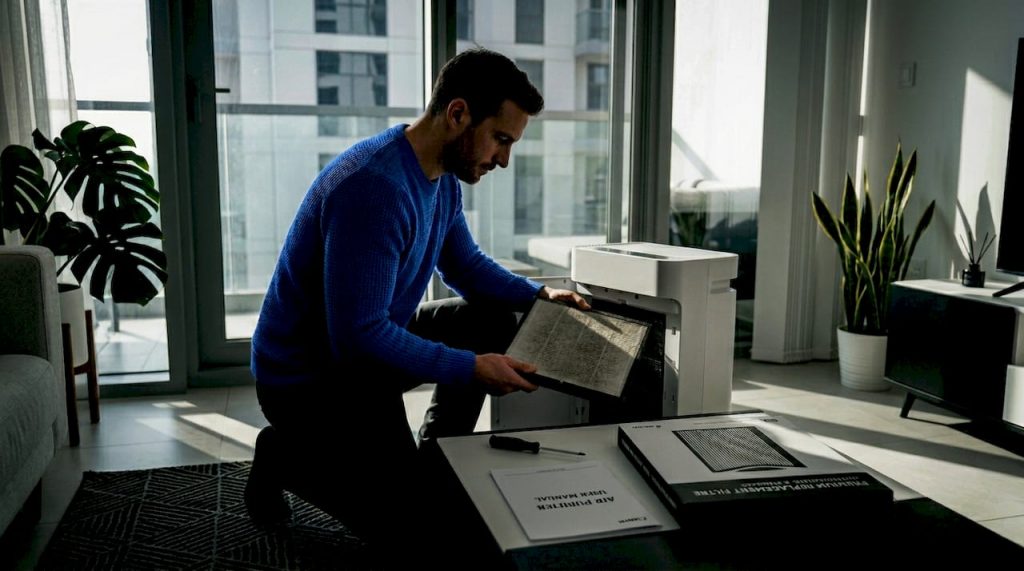
| Budget for filter changes | Plan on replacing HEPA filters every 6 to 12 months depending on usage and local dust levels. |
| Climatepro stocks HEPA H13 sizing options | Climatepro’s range includes starter units for bedrooms and higher-capacity models for open-plan living areas, matched by CADR rating. |
Table of Contents
- How many air purifiers do you need per room: the CADR and ACH maths
- Room-by-room purifier recommendations and where to put them
- Should you buy one large purifier or several smaller units?
- Sizing rules and worked examples you can copy
- When health risks or pollution events mean you need more coverage
- What air purifiers cost to buy and run over time
- Climatepro’s product-matching checklist for choosing the right units
- Running multiple purifiers through a smart home setup
- Sources
How many air purifiers do you need per room: the CADR and ACH maths
CADR measures how many cubic feet (or cubic metres) of air a purifier cleans per minute, tested separately for smoke, dust, and pollen. Independent testing from Consumer Reports testing of various purifiers shows genuine performance gaps between models, which is why CADR numbers on a spec sheet matter more than wattage or fan noise when you’re deciding capacity.
ACH tells you how many times a purifier fully replaces the air in a room every hour. A single number does the heavy lifting once you know your room’s volume:
- Measure the room in metres: length × width × ceiling height = volume in cubic metres
- Multiply that volume by your target ACH (4 for general living spaces, 5+ for bedrooms and health-sensitive rooms)
- Convert to the required airflow rating in cubic metres per hour, then check that figure against the purifier’s CADR or manufacturer’s stated coverage area
- If a single unit’s rated coverage falls short of your room’s area, add a second cleaner or plan zone-based coverage rather than running one unit past its design limit
A rough square-metre shortcut works for quick decisions: a bedroom under 20 square metres with a 2.4 metre ceiling typically needs a purifier rated for 150 to 200 m³/hr to hit 4 to 5 ACH.
Recommended ACH by use case: general living areas perform well at 4 ACH, while bedrooms, nurseries, and rooms housing anyone with asthma or allergies benefit from 5 ACH or higher, according to wildfire smoke guidance from the American Lung Association. AHAM verification and independent lab testing remain the most reliable way to confirm a manufacturer’s CADR claim actually holds up, rather than relying on marketing copy alone.
Room-by-room purifier recommendations and where to put them
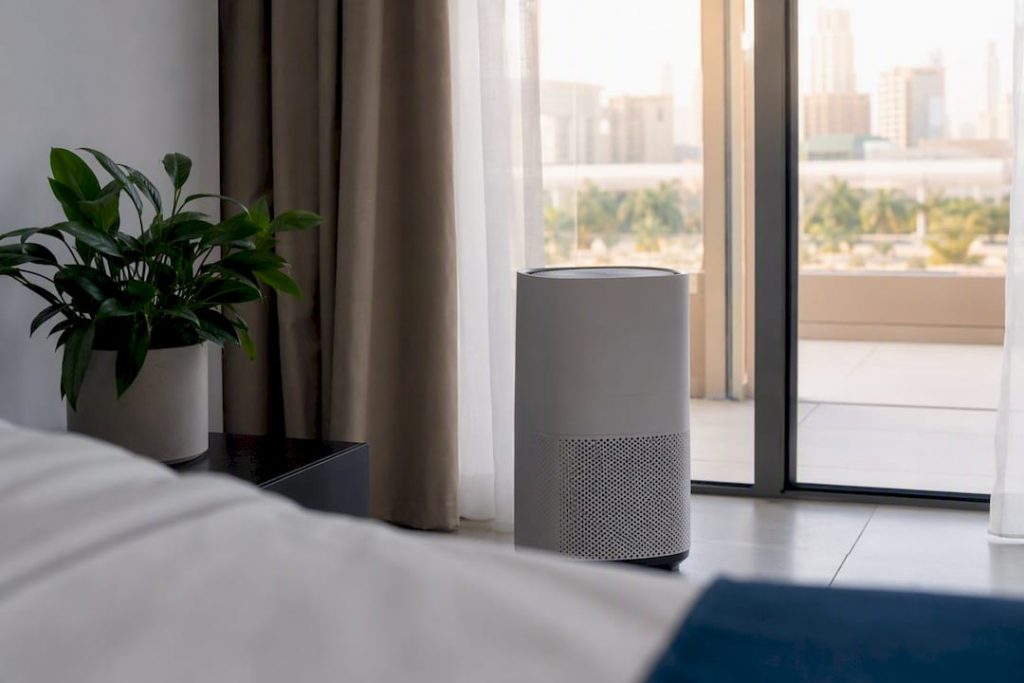
Bedrooms are the priority room in most homes, because you spend six to eight hours a night breathing whatever’s circulating there. Target 5 ACH and choose a unit rated for the room’s cubic metre volume, not just its floor area, especially in older UAE apartments with higher-than-standard ceilings.
Living rooms and open-plan zones need a different approach. A living area combined with a dining or kitchen space often exceeds the coverage rating of a single mid-size purifier, so split it:
- Place one unit near the seating zone and a second near the kitchen or dining boundary if the combined space exceeds roughly 40 square metres
- In kitchens specifically, run a purifier at higher fan speed during and after cooking rather than continuously, since cooking particles spike then settle
- Home offices benefit from a dedicated small unit at 4 ACH, particularly in rooms with printers, closed windows, or shared HVAC ducting
- Multi-storey homes generally need at least one purifier per floor, since air changes don’t transfer well between levels through stairwells alone
Placement affects real-world performance more than most buyers realise.
Pro Tip: Keep at least 30 to 50 centimetres of clearance on all sides of a purifier, and never point its exhaust directly at another unit’s intake. Facing two purifiers toward each other in the same room can recirculate the same air without pulling in new pollutants from the rest of the space.
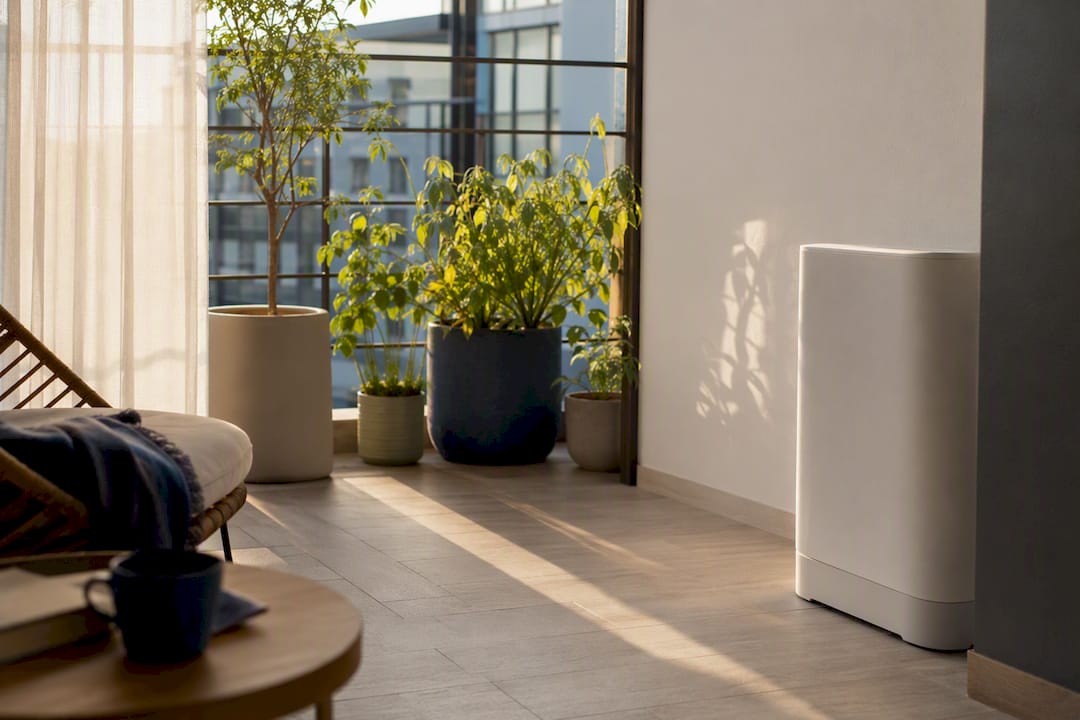
Avoid tucking a unit behind curtains, under a desk, or in a corner where furniture blocks airflow. Purifiers pull air in from most sides, so a boxed-in placement can quietly cut effective CADR by a significant margin even on a high-quality model.
Should you buy one large purifier or several smaller units?
CADR and ACH stay the deciding factors no matter which path you choose. A single large-capacity unit rated for 60 square metres will hit the same ACH target as two smaller units rated for 30 each, so the choice comes down to how you live in the space rather than raw performance.
Multiple smaller units usually win on flexibility. You can run a bedroom unit on low overnight for quiet sleep while keeping a living room unit on higher speed during the day, and if one fails or needs a filter change, the rest of the home stays covered.
A single large unit tends to win on running cost and simplicity, since one appliance is cheaper to buy upfront than two, and it means one filter to remember rather than several on different replacement schedules.
- Choose multiple units for open-plan homes, multi-bedroom apartments, or households where different rooms need different fan speeds at different times
- Choose a single larger unit for smaller apartments with one main living zone and no significant airflow barriers between rooms
- Redundancy matters most in health-sensitive households, where a spare unit prevents a coverage gap during filter changes or maintenance
Sizing rules and worked examples you can copy
The quick rule: multiply your room’s floor area by its ceiling height to get cubic metres, then multiply by your target ACH, and match that figure to a purifier’s stated m³/hr rating or CADR conversion. Rooms with a ceiling under 2.7 metres rarely need adjustment; anything taller pushes you toward the next size bracket up.
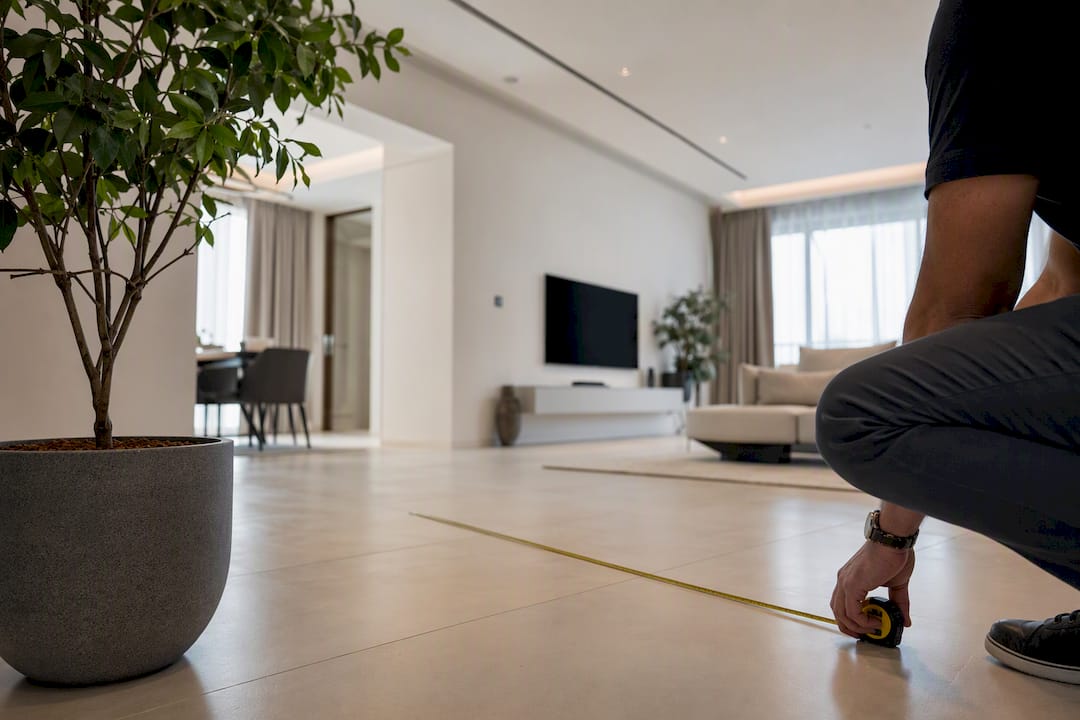
Worked example 1, small bedroom: A 12 square metre bedroom with a standard 2.6 metre ceiling has a volume of roughly 31 cubic metres. At 5 ACH, that’s 156 m³/hr of required clean airflow, comfortably covered by an entry-level HEPA unit rated for bedrooms up to 20 square metres.
Worked example 2, open-plan living and dining: A 45 square metre open-plan space with a 3 metre ceiling has a volume of 135 cubic metres. At 4 ACH, you need 540 m³/hr, which typically exceeds a single compact purifier’s rating, so splitting into two mid-size units placed at each end of the space is the more reliable option.
| Room type | Approx. volume | Target ACH | Required airflow |
|---|---|---|---|
| Small bedroom (12 m², 2.6 m ceiling) | 31 m³ | 5 | 156 m³/hr |
| Open-plan living/dining (45 m², 3 m ceiling) | 135 m³ | 4 | 540 m³/hr |
| Home office (12 m², 2.6 m ceiling) | 31 m³ | 4 | 156 m³/hr |
Many manufacturer sites publish room calculators based on square footage or CADR thresholds, which work as a fast cross-check once you’ve done the volume maths yourself.
When health risks or pollution events mean you need more coverage
Children, older adults, pregnant women, and anyone with asthma or existing respiratory conditions benefit from pushing bedroom ACH targets to 5 or above rather than settling for the general 4 ACH baseline. Guidance on children’s environments supports treating a child’s bedroom as a priority room worth the extra unit if budget allows.
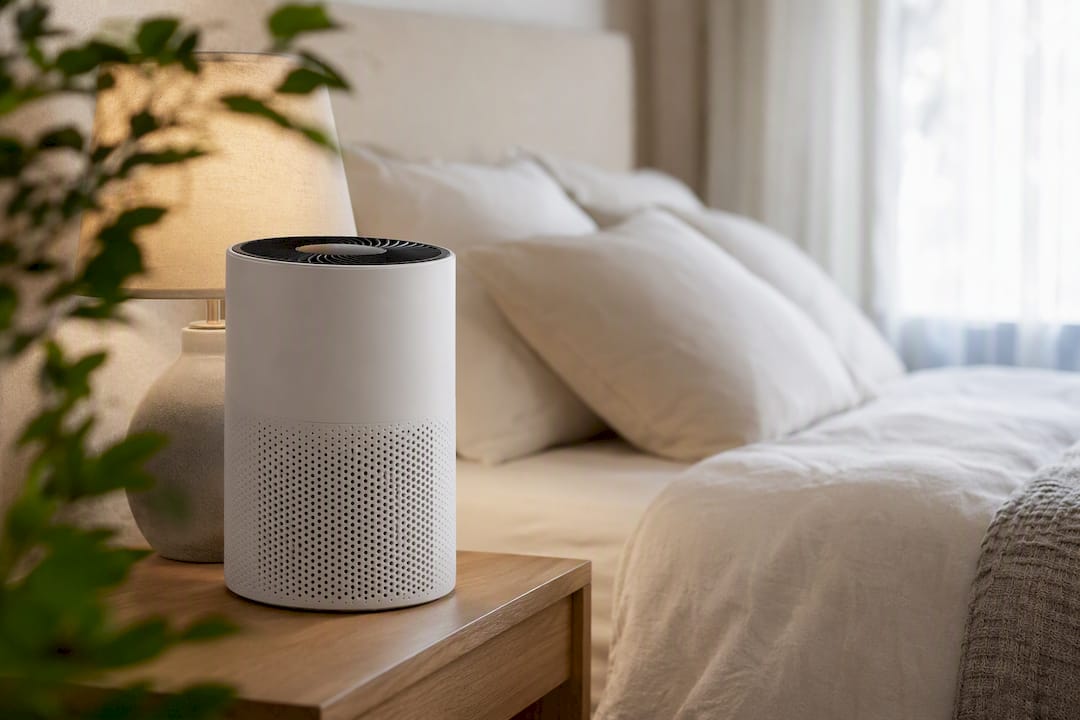
During wildfire smoke events or heavy regional dust, the most effective approach is often a single well-sized “clean room” rather than spreading thin coverage across the whole home. The American Lung Association recommends closing doors, running the purifier at a higher fan speed, and treating that one room as the safe space until conditions improve.
Households with pets or heavy home cooking should plan for extra runtime rather than extra units in most cases:
- Run the living area or kitchen-adjacent unit on a higher speed setting for an hour after cooking or during shedding season
- Add a dedicated small unit in a pet’s main resting room only if odour or dander persists despite increased runtime elsewhere
What air purifiers cost to buy and run over time
Entry-level HEPA units suitable for bedrooms typically sit at the lower end of the market, while higher-capacity models built for open-plan living areas cost more upfront. Price differences usually reflect CADR rating, filter type, and build quality rather than brand alone.
Filter replacement is the ongoing cost that catches most buyers off guard. A typical HEPA filter needs replacing every 6 to 12 months depending on usage and local dust levels, and pre-filters may need cleaning or swapping more often in dustier UAE conditions.
- Budget for at least one filter change per unit per year, more often if you run units continuously in high-pollution periods
- Use timer functions or auto mode instead of constant maximum speed, which cuts both energy draw and filter wear
- Running two smaller units on low overnight often uses less power than one large unit forced onto a high setting to cover the same combined space, a trade-off worth checking against your own energy-efficient purifier options
- Pairing purifier choice with broader home energy efficiency planning helps households budgeting for multiple running appliances
Climatepro’s product-matching checklist for choosing the right units
Climatepro focuses on HEPA H13 filtration because mechanical filtration remains the safer, evidence-backed choice compared with ionisers or ozone-generating devices, a position echoed in regional buying guidance for the UAE and wider Gulf market. Every unit listed carries a stated CADR rating so you can run the sizing maths from this guide directly against the product page.
Before buying, work through this checklist:
- Measure each room’s length, width, and ceiling height to get an accurate volume
- Calculate your target ACH based on room use (4 for living areas, 5+ for bedrooms or health-sensitive rooms)
- Cross-check that figure against the CADR and coverage area listed on the product page
- Confirm filter type is genuine HEPA H13, and check replacement filter price and availability before committing
- Contact Climatepro directly for sizing help if your space involves open-plan zones or unusually high ceilings
Pro Tip: If you’re unsure whether one unit or two will cover your layout, measure the largest connected airflow space (not each separate room) first. That single number usually settles the one-unit-versus-two decision faster than comparing model specs.
Running multiple purifiers through a smart home setup
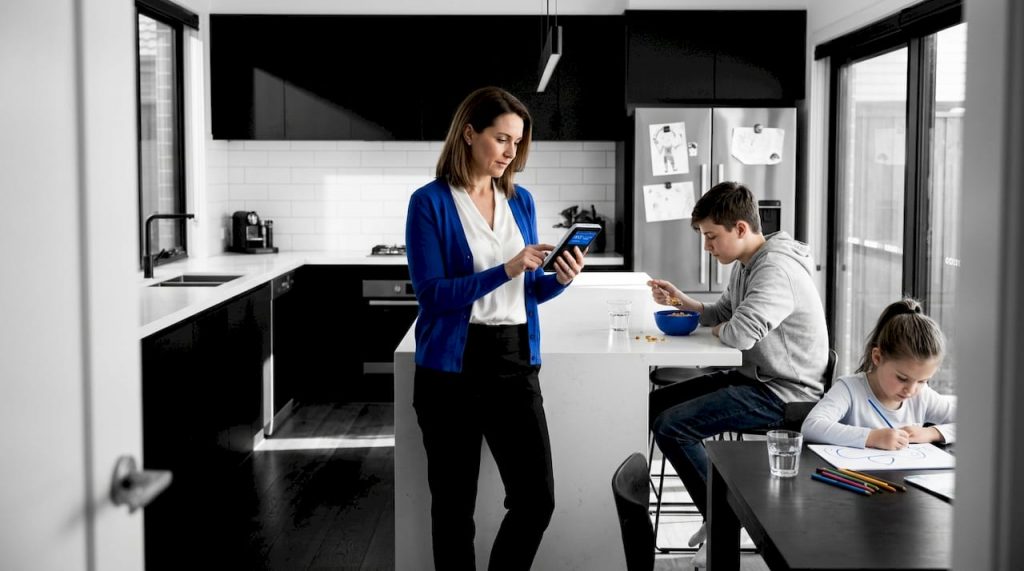
Most mid-range and premium purifiers sold today include Wi-Fi connectivity or an app that lets you monitor air quality readings and adjust fan speed without walking to each unit. That matters more once you’re running two or three purifiers across a home, since manually checking each one defeats the convenience of having multiple zones covered.
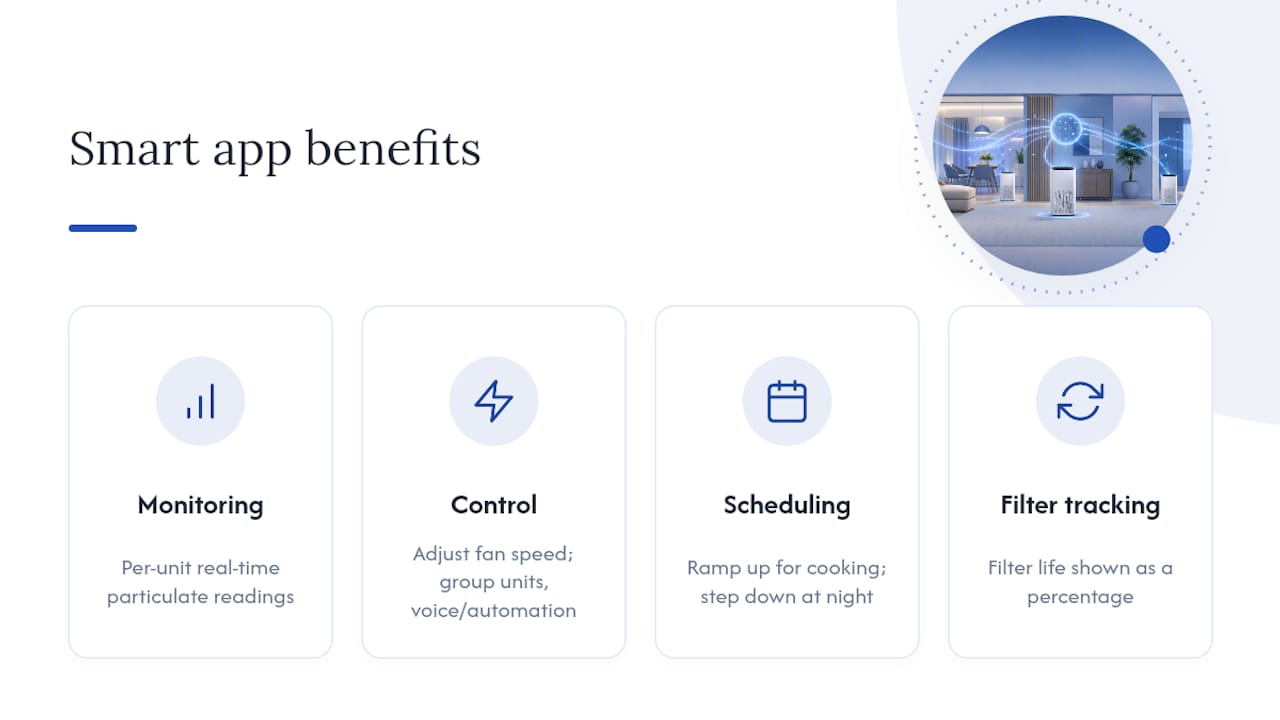
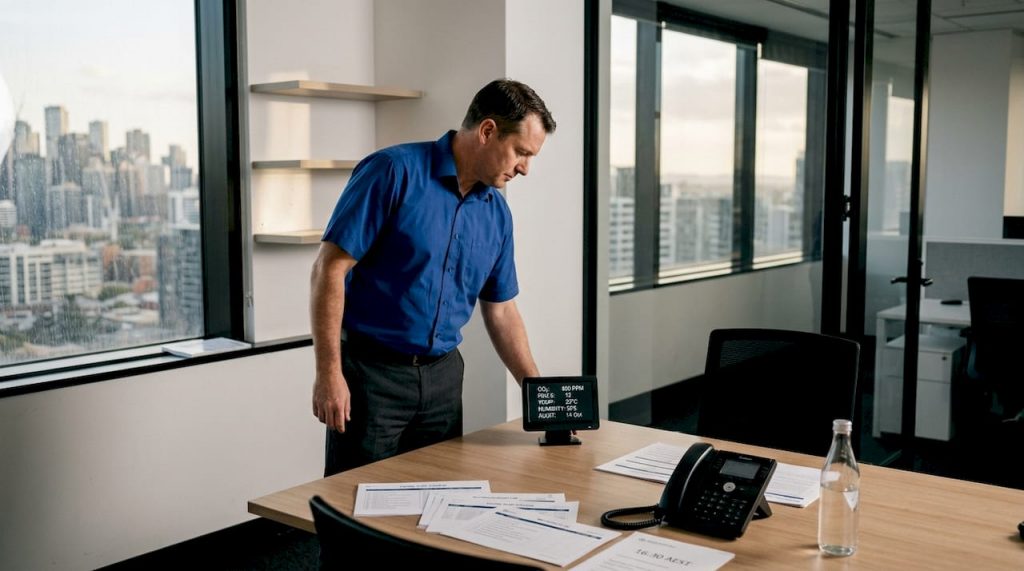
App-based control typically shows you real-time particulate readings per unit, which helps confirm whether your ACH calculations are holding up in practice rather than just on paper. If a bedroom unit consistently shows higher readings than expected, that’s a signal the room’s ACH target needs revisiting, or that a door is being left open more than assumed.
Many apps also support scheduling, so a living room unit can ramp up automatically during typical cooking hours while a bedroom unit steps down to a quieter setting overnight. Some integrate with broader smart home platforms, letting you group multiple purifiers so a single voice command or automation adjusts every unit in the home at once, rather than configuring each one separately.
Remote control becomes genuinely useful for filter tracking too. Several apps flag filter life as a percentage rather than leaving you to guess based on runtime, which helps you plan replacement purchases before performance drops rather than after you notice it. For households running three or more units across different rooms, that single dashboard view is often the difference between consistent coverage and one forgotten unit quietly underperforming for months.
A simple path for busy households
The room-by-room ACH approach holds up well in real homes because it doesn’t require guessing. Measure, calculate, match to a CADR rating, and you’ll land on a sensible number of units almost every time, whether that’s one unit for a studio apartment or three for a larger multi-bedroom home.
Start with your main living zone and primary bedroom, then add units only where the maths or a health need justifies it. Climatepro’s buying guide and product specs make that second step straightforward once you know your target numbers.
— Nevel
Getting your household set up with the right coverage
Climatepro sells HEPA H13 air purifiers built for exactly the room-by-room sizing this guide walks through, with starter models suited to bedrooms and compact living areas alongside higher-capacity units for open-plan spaces.

Once you’ve measured your rooms and worked out your target ACH, the next step is straightforward: check the CADR rating against your numbers on the Honeywell Air Touch P1, a compact option well suited to a single bedroom, or the higher-capacity Honeywell Air Touch U1 if your living area or open-plan zone needs more coverage. Browse the full air purifier range to compare CADR ratings side by side, or get in touch with Climatepro directly if your layout involves multiple zones and you’d rather have the sizing maths checked before you order.
Sources
- How to choose a safe and effective air cleaner to protect your health from wildfire smoke | American Lung Association
- Guide to air cleaners in the home | US EPA
- Air purifier buying guide | Consumer Reports