
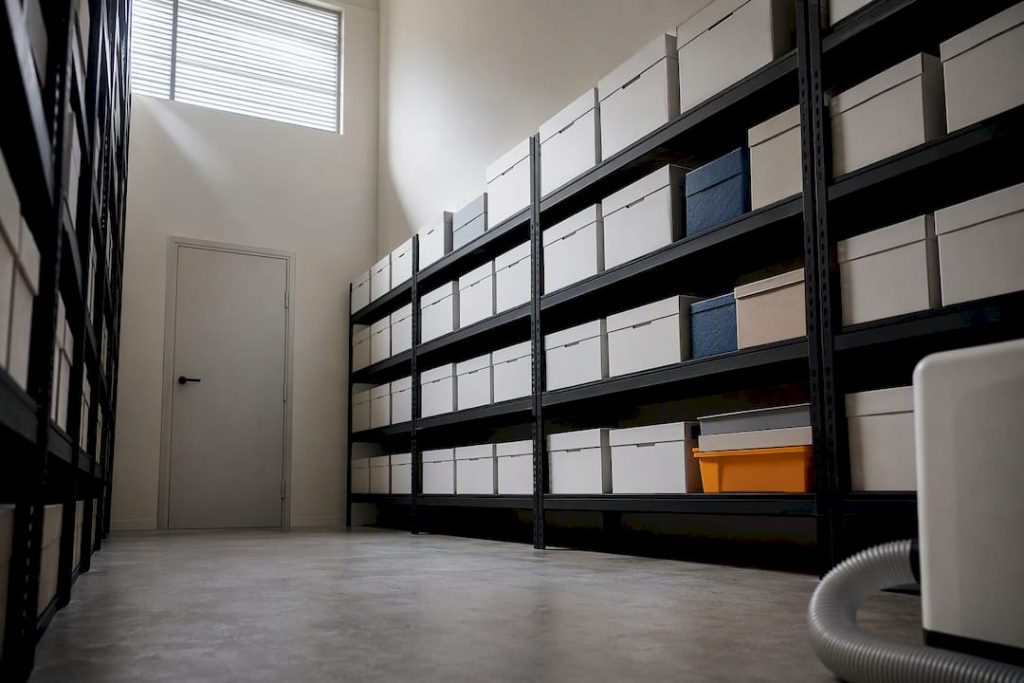
Refrigerant dehumidifiers suit most storage rooms held above roughly 15°C, while desiccant units take over once temperatures drop into cold-storage territory. The real decision hinges on capacity: match litres-per-day removal to your room’s volume and moisture load, and fit continuous drainage from day one. Aim for 40 to 50% relative humidity for sensitive stored goods, and never let it sit above 60% for long. Both refrigerant and desiccant dehumidifier technologies are available for buyers considering this decision.
TL;DR:
- Refrigerant dehumidifiers are best for rooms above 15°C and are more cost-effective and quieter but struggle below that temperature due to frost buildup.
- Desiccant units perform better in cold-storage conditions, operate continuously without defrost cycles, and are suitable for freezers and unheated cold rooms.
- Proper sizing requires measuring room volume, estimating moisture load, and adding a safety margin, with a hygrometer used for a week to confirm target humidity levels.
- Placement and drainage are critical; units should be placed for open airflow away from heat sources, with gravity drainage used where possible or a condensate pump for continuous operation.
- Maintaining humidity between 40 and 50% prevents mold growth and damage, with a humidistat reducing power consumption by cycling, and regular maintenance ensures optimal performance.
Table of Contents
- What type of dehumidifier for storage room use works best?
- How do you size a dehumidifier for a storage room?
- Why do cold rooms need a different dehumidifier?
- Where should you place a dehumidifier and how should it drain?
- What humidity setting and running costs should you expect?
- How do you maintain a storage dehumidifier?
- How Climatepro supports storage and cold-room buyers
- Common mistakes and one rule worth remembering
- Get the right dehumidifier without the guesswork
- Sources
- FAQ
What type of dehumidifier for storage room use works best?
Refrigerant (compressor) dehumidifiers pull air across a chilled coil, condense the moisture, and release drier air back into the room. They work efficiently in warmer conditions and cost less to run in a typical storage room sitting between 18°C and 30°C.
Desiccant systems use a rotating wheel coated in a moisture-absorbing material, and they keep working well below the temperatures where compressor units start to struggle and ice up. This is why desiccant technology performs better in cold rooms than refrigerant units, which lose efficiency as coil temperatures approach freezing.
Storage-focused trade-offs to weigh before buying:
- Refrigerant units are quieter, cheaper to run, and easier to maintain in warm to moderate rooms.
- Desiccant units cost more upfront and run louder, but they don’t need a defrost cycle to keep working.
- Compressor models can frost up below about 15°C without an auto-defrost feature, cutting extraction rates.
- Desiccant systems respond faster to sudden humidity spikes, such as after a door opens on a cold room.
How do you size a dehumidifier for a storage room?
Getting capacity wrong is the single biggest reason storage dehumidifiers disappoint their owners. A unit rated for a small closet will run continuously in a warehouse bay and never touch its target humidity.
- Measure room volume. Multiply length by width by height in metres to get cubic metres, then note how often doors open and whether goods bring moisture in (wet packaging, timber pallets, poor sealing).
- Estimate the moisture load. Rooms with frequent traffic, damp goods, or no ventilation need a higher capacity rating than a sealed, rarely opened space of the same size.
- Match capacity using AHAM-style guidance, then add a 10 to 25% safety margin for storage conditions rather than buying to the bare minimum. Climatepro’s dehumidifier sizing guide walks through the AHAM 2019 test method in more detail.
- Run a hygrometer for a week before you buy. A baseline reading of your actual relative humidity tells you far more than a guess based on room size alone.
An undersized unit runs constantly, drives up power bills, and still leaves your relative humidity drifting above safe levels.
Pro Tip: Buy one capacity tier above your calculated figure if the room has metal shelving, concrete floors, or limited airflow. Dense storage and hard surfaces trap moisture longer than open, ventilated spaces.
Why do cold rooms need a different dehumidifier?
Compressor units struggle below roughly 15°C because the evaporator coil frosts over, and ice on the coil blocks airflow and kills extraction performance. Desiccant rotors avoid this failure mode entirely since they absorb moisture chemically rather than by chilling air, which means desiccant systems remain the standard choice for walking freezers and low-temperature cold rooms.
Features worth checking before you commit to a cold-room unit:
- A stated low-temperature operating rating, not just a general capacity figure.
- Auto-defrost on any compressor-based option, if you’re using one near the 15°C threshold.
- A desiccant rotor with regeneration cycles suited to continuous, unattended operation.
- Stainless casing and pump drainage, since cold rooms often run humid, corrosive conditions.
Set your unit to start correcting humidity the moment a door opens, rather than waiting for a fixed schedule. A short lag after every access point creates a condensation window on stored goods, which is often when frost damage or surface moisture actually happens.
Where should you place a dehumidifier and how should it drain?
Placement affects performance more than most buyers expect. Give the unit open airflow on at least two sides, well clear of shelving, wall recesses, or the inside of a rack, where trapped air stops the unit sensing true room humidity.
- Keep the unit away from heat sources, air-conditioning vents, or doorways that cause short-cycling.
- Position it centrally where possible, so it draws air from the whole room rather than one corner.
- Route drainage before installation, not as an afterthought once the unit is running.
For drainage, gravity drain works if there’s a floor outlet below the unit’s outlet height. Where that’s not available, a built-in condensate pump is the better fit for storage rooms, since it avoids the daily tank-emptying that turns into a missed job in a space nobody visits often. Continuous pump drainage also reduces the overflow risk that comes with unattended rooms.
Pro Tip: In cold rooms, route the discharge hose so condensate can’t sit and refreeze inside the line. A frozen drain line backs up and can trip the unit’s overflow sensor.
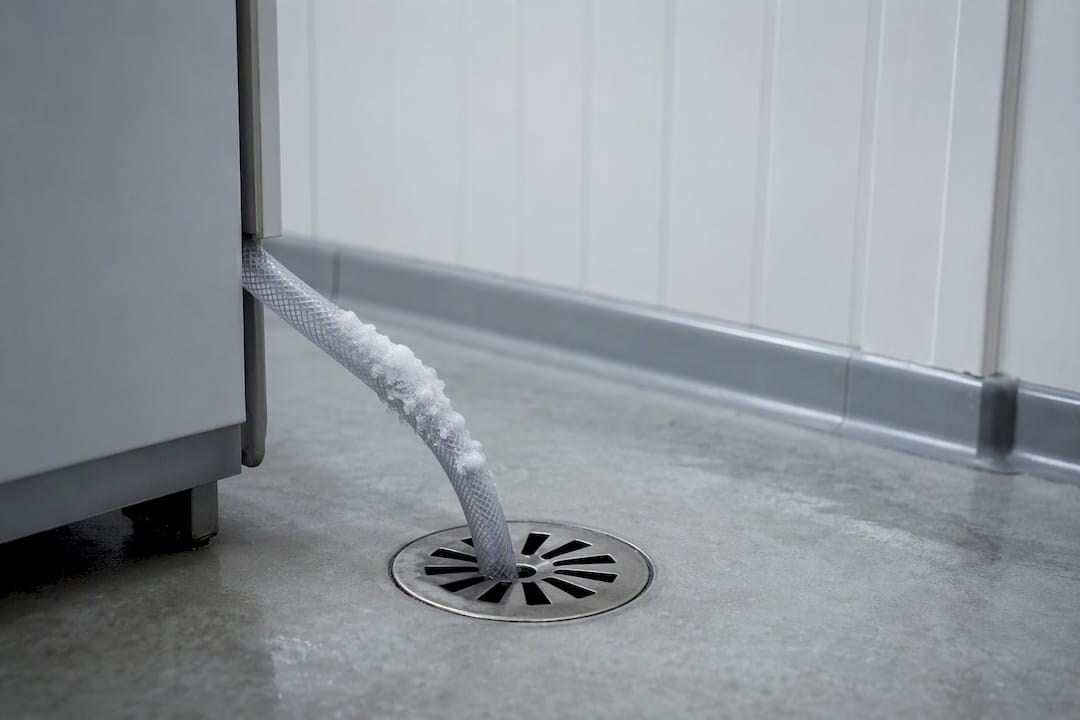
Check electrical connections are rated for the room’s conditions, and if noise matters (a storage room next to an office, say), factor operational sound into placement rather than treating it as fixed.
What humidity setting and running costs should you expect?
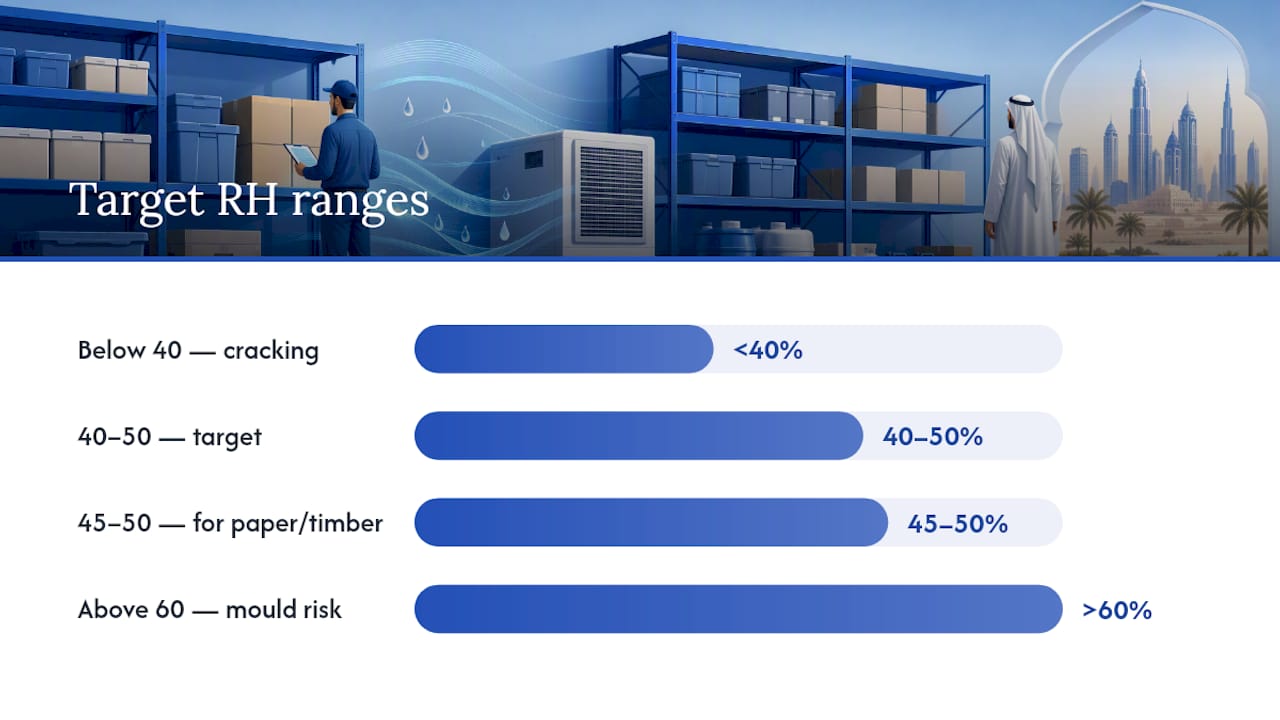
Set your target between 40 and 50% relative humidity for most stored goods, and never let long-term readings sit above 60%, which is the threshold the EPA associates with mould growth. Paper, timber, fabric, and electronics all fare best in that 45 to 50% band, since drier air below that range can crack timber and warp paper stock over time.
A humidistat that cycles the unit on and off around your setpoint beats running continuously, and it cuts power use without sacrificing control. Compare units on litres extracted per kilowatt-hour where the specification is available, since that figure tells you more about real running cost than the litres-per-day headline number alone.
Running costs mainly come down to four things: unit capacity, how many hours a day it runs, the ambient climate outside the room, and how well the room is insulated and sealed against outside air.
How do you maintain a storage dehumidifier?
A dehumidifier left unchecked for months will underperform long before it fails outright, so build a routine around it rather than waiting for a fault.
- Weekly or fortnightly: empty or check the tank, or inspect the pump and drain line for blockages if you’ve gone with continuous drainage.
- Monthly: clean or replace air filters, and check the coil for dust build-up that reduces airflow.
- Quarterly: inspect the defrost cycle on compressor units, and confirm desiccant regeneration is running on schedule per the manufacturer’s instructions.
Call a professional if you see visible mould, persistent damp patches despite correct humidity readings, or any mechanical fault the unit itself can’t clear. It’s worth remembering that a dehumidifier prevents new mould growth by controlling moisture, but it doesn’t remove an existing colony. Cleaning or professional remediation handles that separately.
How Climatepro supports storage and cold-room buyers
Climatepro’s step-by-step sizing guide uses the AHAM 2019 testing method to match capacity to room volume, and the accompanying humidity control workflow covers sensor placement and automatic control settings for ongoing use.
The practical path is straightforward: measure your room, record a week of relative humidity readings with a hygrometer, then check a product page or get in touch with those figures for tailored advice on capacity and drainage setup.
Some sellers offer delivery across the UAE and local warranty support to avoid customers having to ship faulty units overseas or wait weeks for a resolution.
Common mistakes and one rule worth remembering
The mistakes I see most often aren’t exotic. Buyers undersize the unit for the room, they ignore where the condensate actually drains to, and some overcorrect and dry sensitive stock out below a safe range.
The fix is simple, if unglamorous: measure the room properly before buying anything, then run a hygrometer for a week after installation to confirm the unit is actually holding your target humidity. That single habit catches most sizing and placement errors before they become expensive.
— Nevel
Get the right dehumidifier without the guesswork
Advantages for storage-room buyers include local stock, in-country warranty handling, and free delivery across multiple Emirates, reducing the need to ship faulty units overseas or wait weeks for replacement parts.

Browse the dehumidifier range to compare refrigerant and desiccant models suited to storage and cold-room use, including compact options like the Xiaomi Smart Dehumidifier Lite for smaller spaces. Measure your room, note your baseline humidity with a hygrometer, then send those figures through for advice on the right capacity before you buy.
Sources
- The role of dehumidification in effective warehouse storage
- Experts emphasise dehumidifiers prevent rather than remove mould
- Continuous drainage and condensate pump recommendation
FAQ
Can you use a dehumidifier in a storage unit?
Yes, and it’s one of the most effective ways to protect goods from damp, mould, and corrosion in an enclosed storage space. Choose a refrigerant unit for a standard, above-15°C storage room, or a desiccant model if the unit runs cold, and size it to the room’s volume with a safety margin.
Where should you not place a dehumidifier?
Avoid tucking a unit behind shelving, inside a rack, or near a heat source or air-conditioning vent, since restricted airflow stops it reading true room humidity. Keep it clear on at least two sides and away from anything that causes rapid temperature swings nearby.
What is the best dehumidifier for a store room?
A refrigerant model suits most store rooms held at normal ambient temperatures, since it’s more energy efficient and quieter to run day to day. For a cold or unheated store room, a desiccant unit performs more reliably because it doesn’t rely on a chilled coil that can frost over. Climatepro stocks both refrigerant and desiccant dehumidifiers suited to either scenario.
Do you need a dehumidifier in the UAE?
Many indoor storage spaces in the UAE run air conditioning, which lowers humidity but can create uneven pockets of moisture near doors, poor seals, or cold-room sections. A dehumidifier sized to the room and set to hold 40 to 50% relative humidity protects stored goods regardless of what the outdoor climate is doing.