Allergy-proofing an apartment means systematically reducing your exposure to indoor allergens through targeted strategies adapted to rental and compact living environments. The industry term for this practice is indoor allergen management, and it covers everything from dust mite control to air filtration and humidity regulation. Apartment residents face unique constraints: you cannot always modify ventilation systems, replace flooring, or undertake structural changes. What you can control is significant enough to make a real difference. This guide to allergy proofing apartments covers the most effective, renter-friendly steps to reduce allergen load and improve your indoor air quality.
How to control allergen entry and ventilation in your apartment
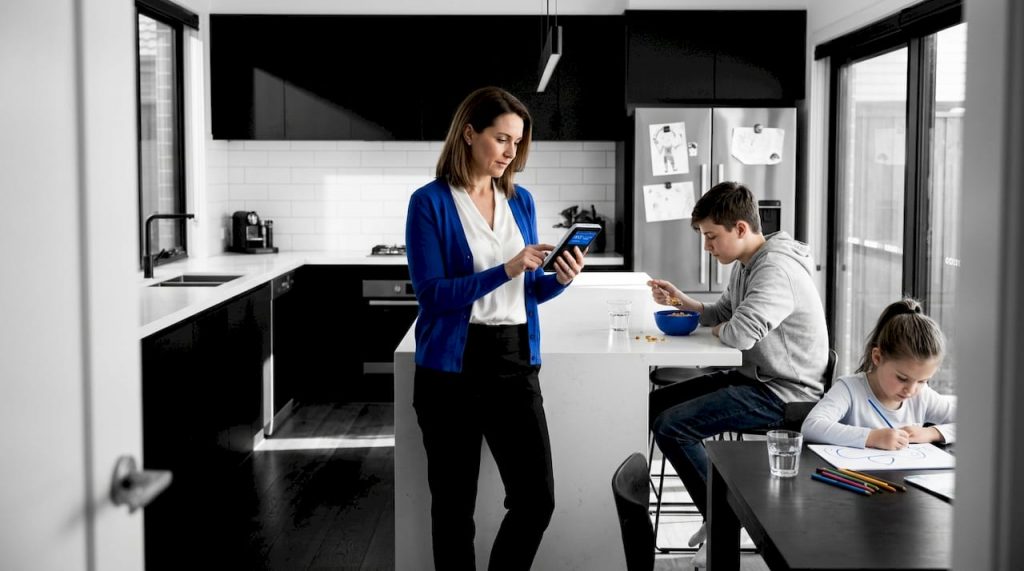
Keeping outdoor allergens out is the first line of defence in any allergy-proofing home checklist. The Asthma and Allergy Foundation of America recommends keeping windows closed during high pollen periods and running your air conditioning or HVAC system instead of relying on fans. Fans circulate existing dust and allergens without filtering them, which makes symptoms worse rather than better.
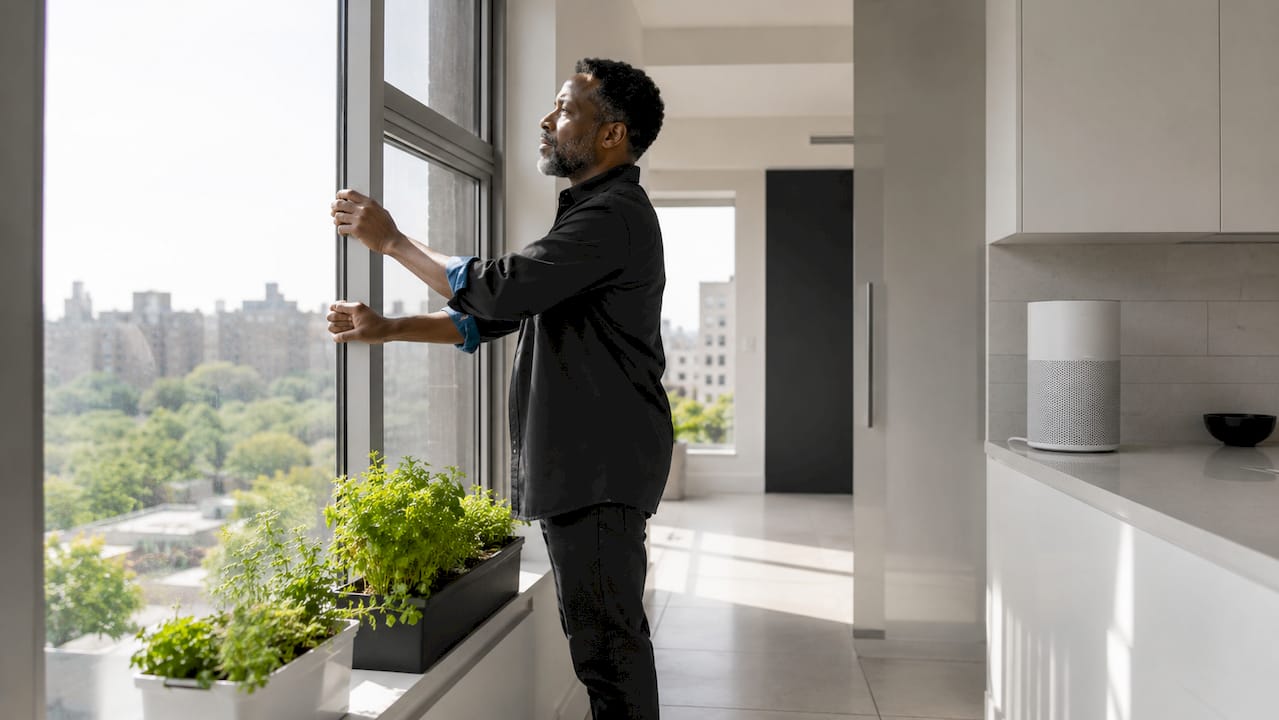
Ventilation in apartments is more complicated than in houses. You often share duct systems with neighbours, and you may have limited control over when the building’s HVAC runs. Understanding why ventilation matters for your health helps you make better decisions about when to open windows and when to keep them shut.
Practical steps for managing allergen entry:
- Keep windows and external doors closed on high pollen days, typically from morning until mid-afternoon when pollen counts peak.
- Run your air conditioning on recirculation mode rather than fresh-air intake during pollen season.
- Place a doormat outside your front door and remove shoes at the entry to reduce tracked-in allergens.
- Wipe pets down with a damp cloth after they come indoors, since animal fur carries pollen from outside.
- Contact building management about HVAC filter maintenance schedules, as shared systems affect your indoor air quality directly.
Pro Tip: Check your local pollen forecast each morning. On high-count days, keep windows shut until after 3pm when airborne pollen levels typically drop.
Balancing fresh air and allergen control is a genuine trade-off in apartments. On low-pollen days, brief ventilation periods in the early evening can refresh indoor air without significantly raising allergen levels. The key is timing, not avoidance.
Cleaning and dust mite management for apartment residents
Dust mites are the most common indoor allergen trigger, and the bedroom is where exposure is greatest. Concentrating your cleaning effort there produces better results than whole-apartment deep cleans done infrequently.
Follow this numbered routine for effective dust mite control:
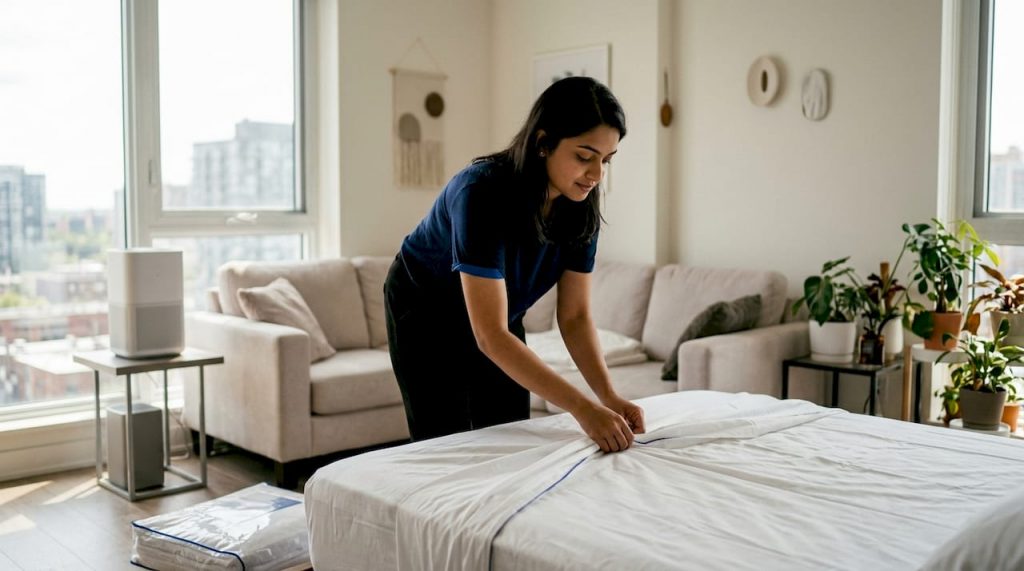
- Encase pillows and mattresses in allergen-proof covers. These create a physical barrier between you and the dust mite colonies living inside your bedding.
- Wash all bedding weekly in water above 54.4°C. Hot water washing kills dust mites reliably; cold or warm cycles do not.
- Vacuum carpets and upholstered furniture at least twice a week using a vacuum fitted with a HEPA filter or double-layer microfilter bag. Standard vacuums recirculate fine allergen particles back into the air.
- Damp dust all hard surfaces rather than using a dry cloth. Damp dusting traps allergens on the cloth instead of launching them into the air where you breathe them in.
- Reduce clutter on shelves, floors, and furniture. Every surface that collects dust is a potential allergen reservoir. Fewer objects means less accumulation.
Pro Tip: After vacuuming, leave the room for approximately two hours before re-entering. Vacuuming stirs up settled dust mite allergens, and waiting allows them to resettle before you return.
Timing your cleaning also matters. Vacuum and dust in the morning so allergens have the full day to settle before you sleep. Avoid cleaning immediately before bed, as disturbed particles remain airborne for hours.
How does indoor humidity affect allergy triggers in apartments?
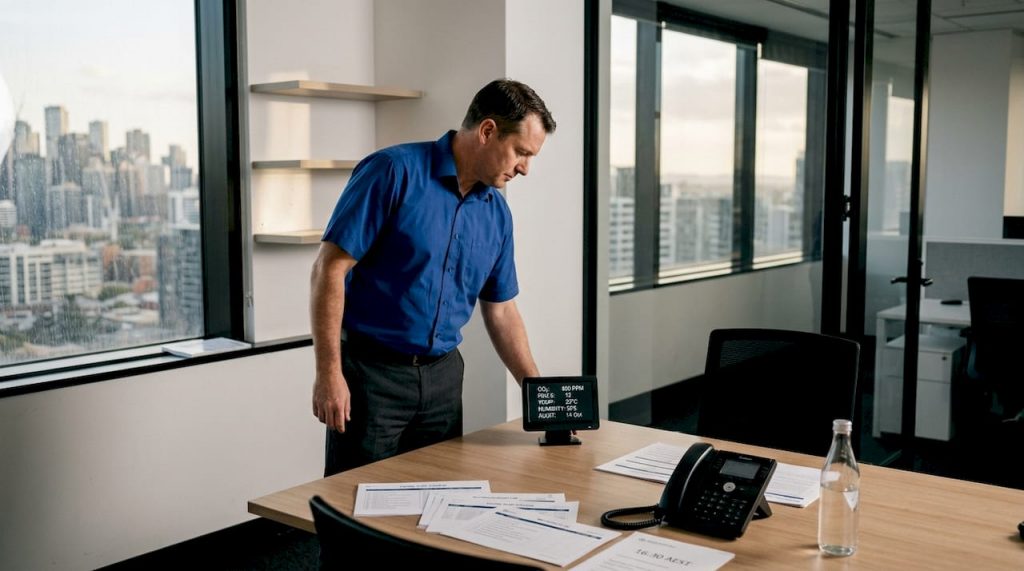
Indoor humidity is a direct driver of both dust mite populations and mould growth. The EPA and indoor air quality specialists recommend maintaining relative humidity between 30% and 50% to suppress both threats. Above 50% relative humidity, dust mites thrive and mould spores germinate rapidly. Below 30%, the air becomes dry enough to irritate airways, which worsens allergy symptoms by a different mechanism.
| Relative humidity level | Effect on allergens | Recommended action |
|---|---|---|
| Below 30% | Dry air irritates airways; dust mite activity slows | Use a humidifier to raise RH |
| 30%–50% | Optimal range; dust mites suppressed; mould risk low | Maintain with monitoring |
| Above 50% | Dust mites proliferate; mould growth accelerates | Use a dehumidifier to lower RH |
| Above 70% | High mould risk; allergen load increases significantly | Urgent dehumidification needed |
Practical steps for humidity control in apartments:
- Buy a digital hygrometer (available for under AED 50) and place it in your bedroom and living area to monitor RH daily.
- Run a dehumidifier in rooms prone to moisture, such as bathrooms and kitchens, especially after showering or cooking.
- Fix condensation spots promptly. Condensation on windows and walls is an early warning sign of moisture accumulation that leads to mould.
- Report leaks or damp patches to building management immediately. Small moisture issues like slow leaks contribute substantially to mould risk inside apartments.
- Use bathroom exhaust fans during and for at least 15 minutes after every shower to expel humid air before it spreads.
Apartments in humid climates, including much of the UAE, face elevated baseline humidity. A portable dehumidifier sized for your room area is one of the most cost-effective allergy-proofing solutions available to renters.
What air filtration options work best for apartments?
HEPA filtration is the most reliable method for removing airborne allergens from apartment air. HEPA filters trap pollen, pet dander, and dust mite particles at a microscopic level, capturing particles that standard filters miss entirely. For apartment residents, the practical choice is between portable air purifiers and HVAC filter upgrades.
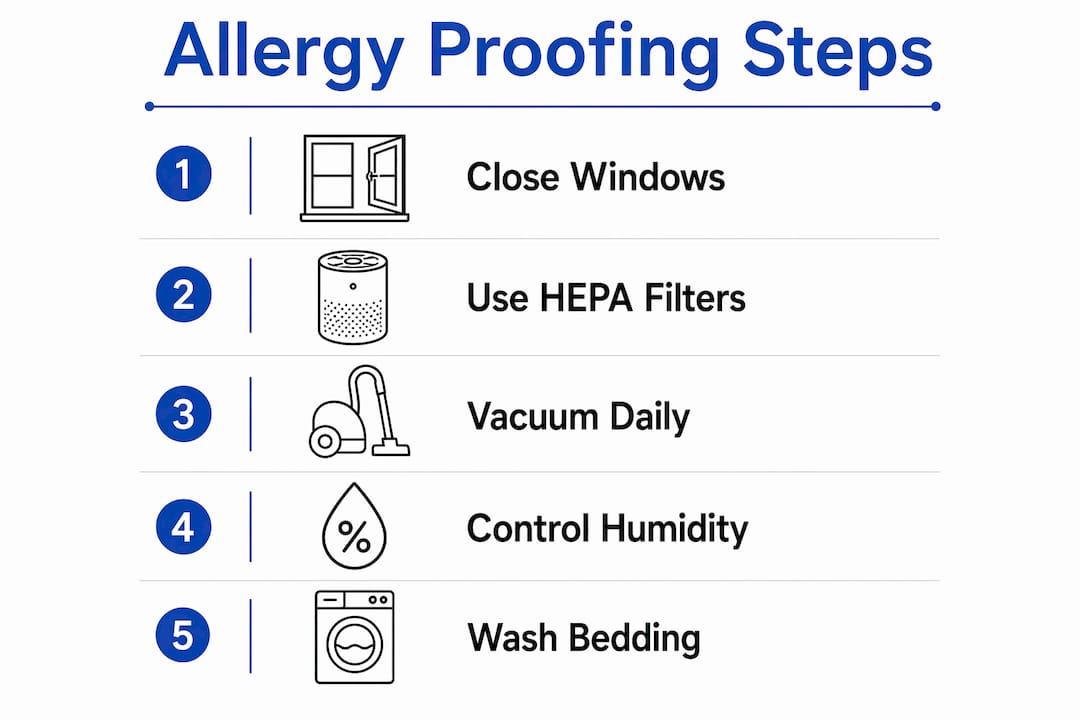
Portable air purifiers
Portable units are the most accessible option for renters. Size the unit to the room: a purifier rated for 20 square metres will not adequately clean a 40 square metre open-plan living area. Place the unit in the room where you spend the most time, typically the bedroom. Correct placement and sizing of HEPA air purifiers maximises allergen reduction effectiveness. Position the unit away from walls and furniture so air can circulate freely through it.
HVAC filter upgrades
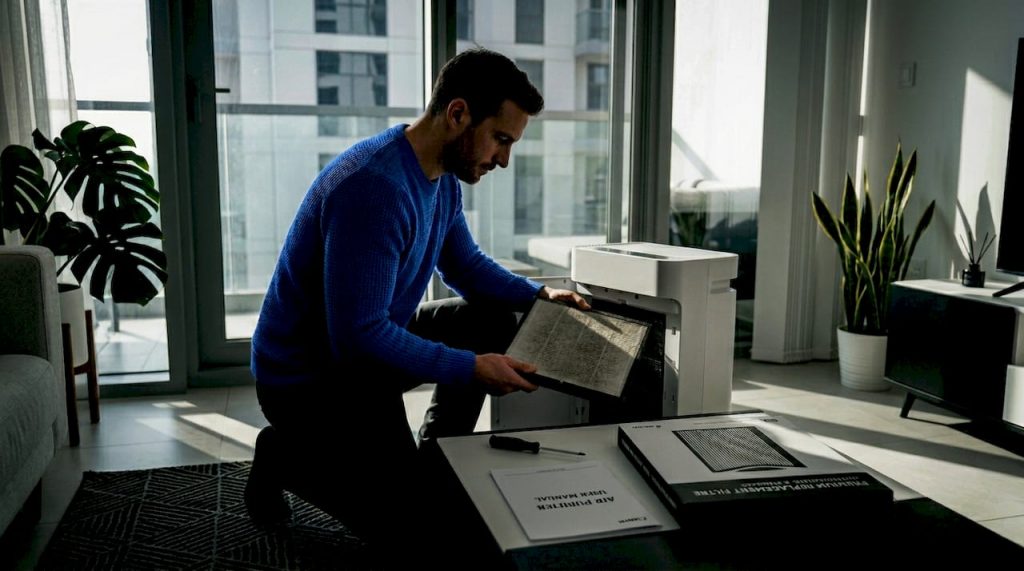
If your apartment has a central HVAC system with accessible filter slots, upgrading to a MERV 11 or MERV 12 rated filter significantly improves whole-apartment air quality. MERV 11–12 filters capture fine particles including dust mite debris and pollen that lower-rated filters pass through. Change these filters every three months without exception. A clogged filter restricts airflow and loses its filtration effectiveness, which defeats the purpose entirely.
You can read more about HEPA filtration strategies for UAE apartments to understand which filter types suit different room sizes and allergen profiles.
Pro Tip: Write the installation date on your HVAC filter with a marker when you fit it. You will know exactly when three months have passed without needing to remember.
Step-by-step allergy-proofing routine for apartment residents
A stepwise approach that addresses one problem category at a time is more effective than trying to fix everything at once. Implement changes individually so you can observe which measures actually reduce your symptoms.
- Track your symptoms first. Keep a simple log for one week noting when symptoms are worst, which rooms trigger them, and what activities precede flare-ups. This identifies your primary allergen sources.
- Classify your IAQ challenges. Indoor air quality problems fall into four categories: airborne particles (dust, pollen, dander), moisture (mould, humidity), odours (cooking, cleaning products), and chemical fumes (off-gassing from furniture or paint). Address particles and moisture first, as these drive most allergy symptoms.
- Prioritise the bedroom. Implement allergen-proof covers, weekly hot washing, and a HEPA air purifier in the bedroom before addressing other rooms. You spend roughly a third of your life there.
- Implement one change per week. Add allergen covers in week one, adjust cleaning routines in week two, and introduce a dehumidifier or purifier in week three. Single changes let you measure what works.
- Contact building management about HVAC. Ask when filters were last changed and request an upgrade to MERV 11 or MERV 12 media. Many building managers will accommodate this request at no cost to you.
- Review and adjust monthly. Revisit your symptom log each month. If a measure is not producing improvement after four weeks, reassess placement, sizing, or frequency before adding new interventions.
Useful resources for improving air quality in UAE apartments can help you refine this routine based on local climate conditions.
Key takeaways
Effective allergy-proofing in apartments requires consistent management of allergen entry, cleaning routines, humidity levels, and air filtration within the practical limits of rental living.
| Point | Details |
|---|---|
| Control allergen entry | Keep windows closed during high pollen periods and run HVAC on recirculation mode. |
| Focus cleaning on the bedroom | Wash bedding weekly above 54.4°C and use a HEPA vacuum at least twice a week. |
| Maintain humidity at 30%–50% | Use a hygrometer to monitor RH and a dehumidifier to prevent mould and dust mite growth. |
| Use correctly sized HEPA purifiers | Match the purifier’s rated coverage to your room size and place it away from walls. |
| Change HVAC filters every 3 months | Upgrade to MERV 11–12 filters and coordinate with building management for shared systems. |
What renters get wrong about allergy-proofing
Most allergy advice is written for homeowners. As a renter, you are working within a different set of constraints, and that changes which strategies actually deliver results.
The most common mistake I see is over-ventilating during spring and summer. Tenants open windows to “get fresh air” on warm mornings, which is precisely when outdoor pollen counts are at their peak. The result is a spike in indoor allergen load that undoes a week of careful cleaning. Closing windows feels counterintuitive, but the data from the AAFA is clear on this point.
The second mistake is infrequent filter changes. Renters often assume the building handles this, but in practice, HVAC filters in apartment buildings are changed far less often than recommended. Checking the filter yourself and requesting an upgrade to MERV 11 or MERV 12 is one of the highest-impact actions you can take, and it costs almost nothing if you raise it with management.
I have also seen tenants place air purifiers in corners or against walls, which cuts airflow significantly. A purifier needs clear space around it to draw and expel air effectively. Repositioning a unit from a corner to the centre of a room can noticeably improve its performance without any additional cost.
Finally, do not underestimate humidity. In the UAE, ambient humidity is high enough that even a well-sealed apartment can creep above 60% relative humidity during summer months. A dehumidifier is not optional in this climate. It is the single most underused tool in the allergy-proofing toolkit for apartment residents here.
— Nevel
Air purifiers and humidity solutions for your apartment from Climatepro
Climatepro stocks a range of HEPA air purifiers and humidity control appliances suited to apartment living across the UAE.
The Honeywell Air Touch P2 and the more compact Honeywell Air Touch P1 are both well-suited to bedroom and living area use, with true HEPA filtration and energy-efficient operation. For humidity control, Climatepro carries a full range of dehumidifiers and humidifiers to help you maintain the 30%–50% relative humidity range that suppresses dust mites and mould. Delivery is available across Dubai, Abu Dhabi, Sharjah, and all other UAE emirates.
FAQ
What is the most effective first step for allergy-proofing an apartment?
Encasing your mattress and pillows in allergen-proof covers and washing bedding weekly in water above 54.4°C is the highest-impact starting point, since the bedroom is where allergen exposure is greatest.
What humidity level prevents mould and dust mites in apartments?
Maintaining indoor relative humidity between 30% and 50% suppresses both dust mite activity and mould growth, according to EPA indoor air quality guidelines.
How often should HVAC filters be changed in an apartment?
HVAC filters should be replaced every three months. Upgrading to MERV 11 or MERV 12 rated filters provides significantly better allergen capture than standard filters.
Does opening windows help or hurt allergy symptoms in apartments?
Opening windows during high pollen periods increases indoor allergen load. Running air conditioning on recirculation mode is more effective for allergy control than natural ventilation on high-pollen days.
Where should I place an air purifier in my apartment?
Place the air purifier in the room where you spend the most time, ideally the bedroom, and position it away from walls so air can circulate freely through the unit.
Recommended
- Why ventilate apartments: health, air quality & comfort — Blog | ClimatePro UAE
- How to improve air quality in UAE apartments — Blog | ClimatePro UAE
- Allergens in the UAE: what residents need to know — Blog | ClimatePro UAE
- Home air quality improvement guide for UAE homeowners — Blog | ClimatePro UAE