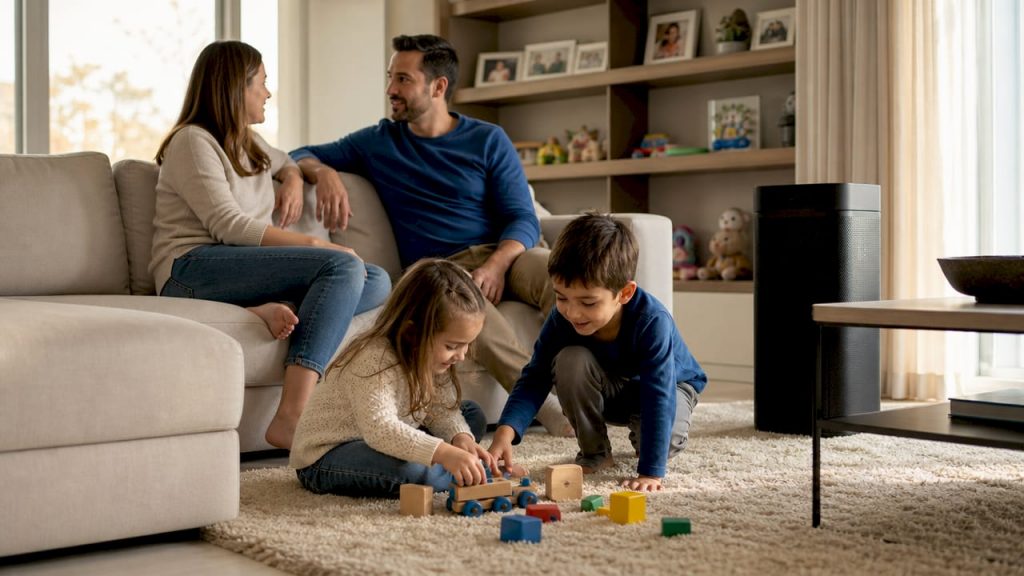
Air purifiers are defined as devices that remove airborne contaminants from indoor spaces by drawing air through one or more filtration stages. The core advantage of air purifiers is measurable: True HEPA filters capture 99.97% of airborne particles at 0.3 microns, reducing indoor PM2.5 concentrations by 29–56% in homes. That level of particle removal translates directly into fewer allergens, less respiratory irritation, and cleaner air for everyone in the household. The benefits of air filtration systems extend well beyond dust reduction, covering allergy relief, cognitive protection in older adults, smoke removal, and odour control. Understanding which benefits apply to your situation helps you choose the right device and use it correctly.
1. How air purifiers reduce allergy and asthma symptoms
HEPA filtration is the most clinically supported method for reducing indoor allergens. True HEPA filters capture pollen, pet dander, and dust mite particles with 99.97% efficiency, removing the primary triggers for allergic rhinitis and asthma from the air you breathe. Randomised controlled trials show 25–60% allergy symptom reduction with consistent use of high-quality HEPA units. That range reflects differences in room size, device placement, and how often the unit runs.
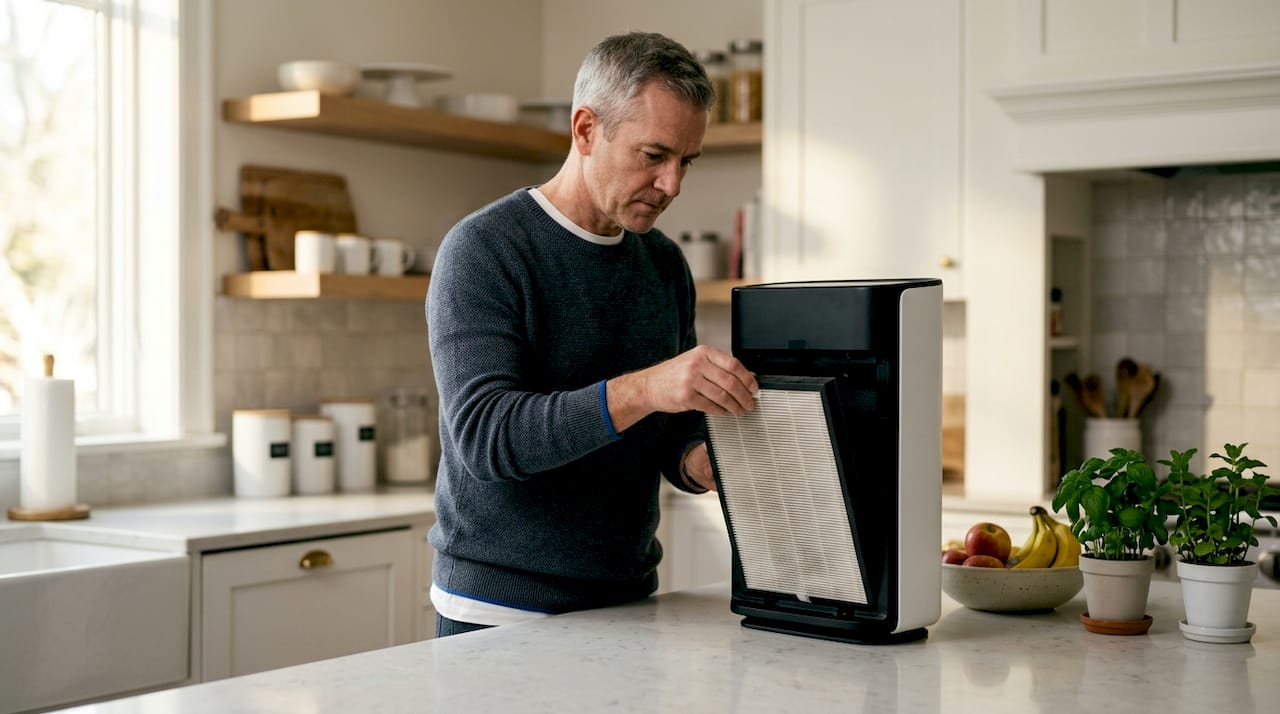
Device sizing matters as much as filter quality. A unit rated for 20 square metres will underperform in a 40-square-metre living room, regardless of its filter specification. Matching the Clean Air Delivery Rate (CADR) to your room volume is the baseline requirement for real-world results.
Key allergen sources that HEPA filtration addresses:
- Pollen: Captured on first pass through a True HEPA filter; particularly relevant during spring and autumn
- Pet dander: Microscopic protein particles that remain airborne for hours; HEPA filtration removes them continuously
- Dust mite debris: Faecal particles and body fragments at 0.5–50 microns; well within HEPA capture range
- Mould spores: Typically 1–30 microns; effectively trapped before they can colonise surfaces
Pro Tip: Air purifiers remove airborne allergens, but settled dust requires vacuuming with a HEPA-filtered vacuum and regular damp-dusting. Running a purifier without cleaning surfaces leaves a reservoir of allergens that re-enter the air constantly.
2. Air purifiers and cognitive function in adults over 40
Adults aged 40 and over have a specific reason to consider HEPA filtration beyond allergy relief. Adults using HEPA purifiers for one month showed a 12% improvement in cognitive test scores compared to those using sham devices. Researchers describe this effect as comparable in magnitude to the cognitive gains from regular physical exercise.
“Reducing particulate matter exposure may protect brain white matter critical for executive function. This provides a plausible neurological mechanism for the cognitive gains observed in older adults using HEPA air purifiers.”
The Conversation, reporting on research into HEPA filtration and brain health
The white matter protection hypothesis is significant. Fine particulate matter, particularly PM2.5, is small enough to cross the blood-brain barrier. Chronic low-level exposure is associated with accelerated cognitive decline. Reducing indoor PM2.5 through HEPA filtration removes a modifiable risk factor that most people have never considered.
This benefit appears age-dependent. The same studies do not show equivalent cognitive gains in younger adults, suggesting that the ageing brain is more sensitive to particulate exposure and more responsive to its reduction. For health-conscious families with members over 40, this finding adds a compelling, non-allergic reason to invest in quality air purification.
3. Removing smoke, odours, and pet dander from indoor air
HEPA filters handle particulate matter, but gaseous pollutants require a different approach. Activated carbon filters adsorb odours and volatile organic compounds (VOCs) from smoke, cooking, and pets, making them a necessary complement to HEPA filtration in most homes. Units that combine both filter types address the full spectrum of common indoor pollutants.
The role of air cleaners in homes with pets or smokers is particularly significant. Pet odour comes from both dander particles and airborne proteins, while tobacco and wildfire smoke contain both fine particulate matter and hundreds of gaseous compounds. A HEPA-only unit will reduce visible smoke and dander but leave odours largely untouched.
| Pollutant type | Primary filter required | Typical removal effectiveness |
|---|---|---|
| Pollen and dust | True HEPA | High (99.97% of airborne particles) |
| Pet dander | True HEPA | High (continuous airborne removal) |
| Tobacco smoke particles | True HEPA | High (PM2.5 reduction 29–56%) |
| Smoke odour and VOCs | Activated carbon | Moderate to high (depends on carbon weight) |
| Pet odour | Activated carbon | Moderate (requires regular filter replacement) |
| Mould spores | True HEPA | High (spores 1–30 microns) |
Key points on smoke and odour removal:
- Activated carbon filters have a finite adsorption capacity and must be replaced on schedule
- Wildfire smoke events require running the purifier on high continuously, not just at night
- Ventilation remains necessary; a purifier recirculates indoor air but does not introduce fresh air from outside
4. What factors determine real-world air purifier performance
Technology alone does not guarantee clean air. High CADR relative to room size is critical for real-world purifier performance. A device with an excellent filter but insufficient airflow for the room will cycle air too slowly to maintain low pollutant concentrations.
Placement is the second most overlooked factor. Positioning a purifier near dominant pollutant sources, such as near a printer, a pet’s sleeping area, or a kitchen, outperforms placing it in a corner for convenience. The device captures pollutants before they disperse across the room.
Practical factors that determine performance:
- Room size matching: Check the CADR rating against your room’s floor area before purchasing
- Placement: Position near the primary pollution source, not against a wall for aesthetic reasons
- Filter maintenance: Clogged filters reduce airflow and filtration efficiency; follow the manufacturer’s replacement schedule
- Device type: Avoid ozone-emitting ionisers and older devices; choose ozone-free, CARB-certified units to prevent respiratory irritation
- Run time: Running a purifier for two hours then switching it off allows pollutants to rebuild; continuous low-speed operation outperforms intermittent high-speed use
Pro Tip: Smart air purifiers with particulate sensors adjust fan speed automatically based on real-time air quality readings and send filter replacement alerts. This removes the guesswork from maintenance and keeps the device performing at its rated efficiency.
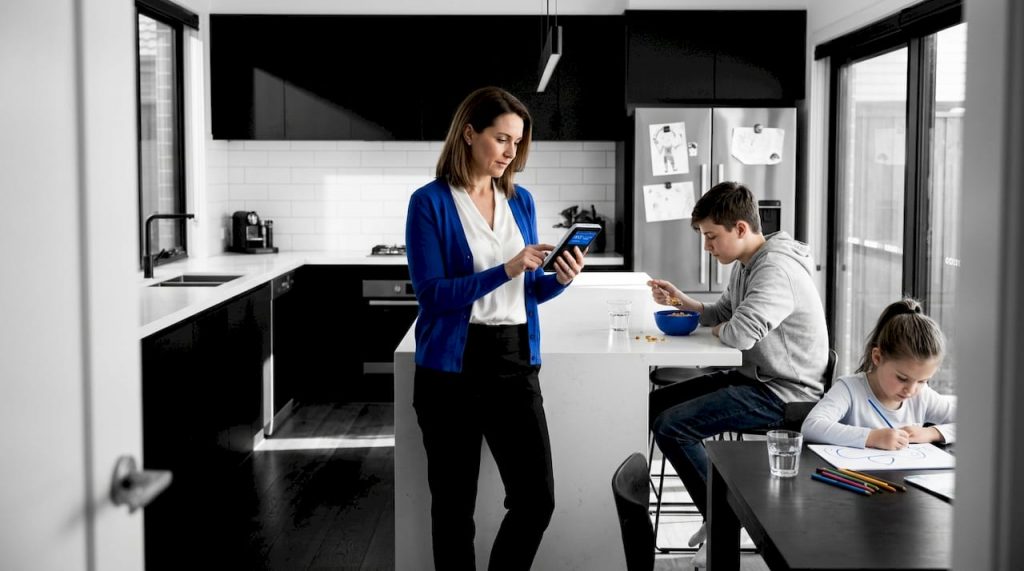
The role of smart air purifiers is growing in homes and offices precisely because consistent operation is the hardest habit to maintain manually. Automated sensors handle that problem without any input from you.
5. When air purifiers deliver the greatest benefit and when they do not
Air purifiers provide the greatest health benefit in specific conditions. Significant benefits apply mainly to polluted or allergen-prone environments, not to every home equally. Understanding this prevents both under-investment and misplaced expectations.
Situations where the benefit is strong:
- Homes with one or more pets
- Households with allergy or asthma sufferers
- Urban apartments with high outdoor PM2.5 levels
- Homes exposed to wildfire smoke seasonally
- Offices with poor ventilation or high occupancy
- Clinics and healthcare settings where airborne pathogen reduction matters
Situations where the benefit is marginal:
- Rural homes with consistent cross-ventilation and no indoor pollution sources
- Homes without pets, smokers, or allergy sufferers
- Spaces already meeting ventilation standards through mechanical HVAC systems
The EPA and Consumer Reports both emphasise that air purifiers are supplementary devices. Ventilation and source control come first. A purifier captures residual pollutants that ventilation and cleaning leave behind. It does not replace either practice.
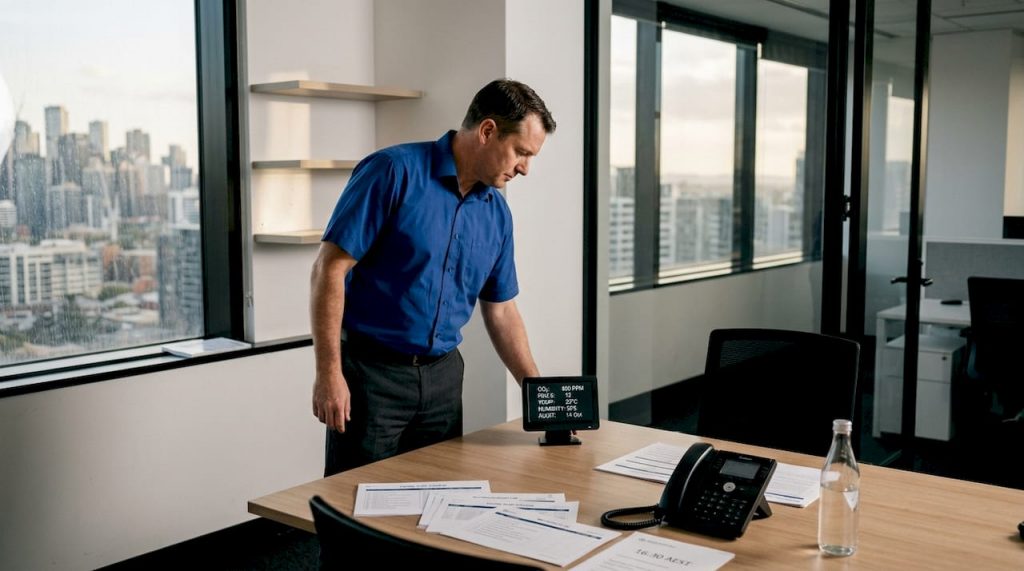
The role of air purification in clinics and the role of air purifiers in offices follow the same logic. High occupancy, limited natural ventilation, and the presence of specific pollutant sources, such as printers, cleaning chemicals, or patients with respiratory conditions, create the conditions where filtration adds measurable value. You can read more about office air quality strategies and clinic air purification practices for setting-specific guidance.
Key takeaways
Air purifiers with True HEPA filtration deliver the greatest health benefits when correctly sized, well-placed, and combined with regular cleaning and adequate ventilation.
| Point | Details |
|---|---|
| True HEPA is the standard | Choose units that capture 99.97% of particles at 0.3 microns for reliable allergen and PM2.5 reduction. |
| Cognitive benefit for adults over 40 | One month of HEPA use produced a 12% improvement in cognitive test scores in adults aged 40 and over. |
| Activated carbon handles odours | Combine HEPA and activated carbon filters to address both particulate matter and gaseous pollutants like VOCs. |
| Placement and sizing drive results | Match CADR to room size and position the unit near the dominant pollution source, not a convenient corner. |
| Purifiers supplement, not replace | Ventilation and source control must come first; purifiers capture what remains after those measures are in place. |
My take on getting the most from air purification
Air purifiers are one of the few home health investments where the research is genuinely clear. The allergy and asthma evidence is strong, the cognitive data for older adults is surprising and credible, and the practical barriers to getting results are almost entirely self-inflicted.
The most common mistake I see is buying a well-rated unit and then placing it in the wrong spot. A purifier tucked into the corner of a bedroom, away from the bed where you actually breathe for eight hours, is doing a fraction of the work it could. Move it close to where you sleep or spend the most time. That single change often produces a noticeable difference within days.
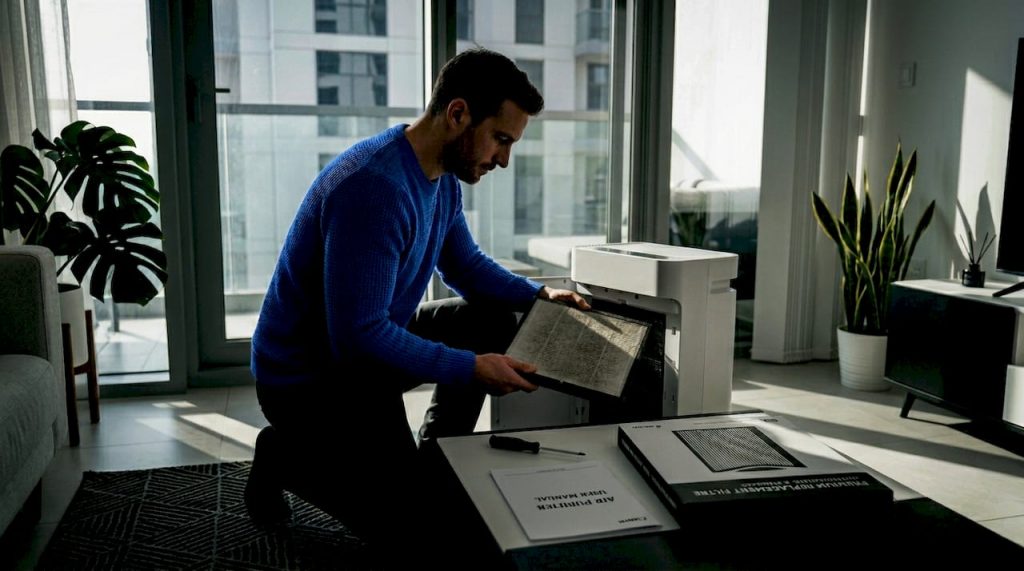
The second mistake is treating filter replacement as optional. A clogged HEPA filter does not just reduce efficiency. It restricts airflow to the point where the device is essentially recirculating dirty air through a blocked membrane. Set a calendar reminder for filter changes and stick to it.
The cognitive benefit for adults over 40 deserves more attention than it typically receives. Most people buy air purifiers for allergies or dust. The evidence that sustained HEPA use may protect brain white matter and improve executive function is a genuinely different category of benefit. For anyone in that age group who is already paying attention to diet, exercise, and sleep for cognitive health, adding a quality air purifier to that list is a low-effort, evidence-backed decision.
Finally, do not skip ventilation in favour of purification. Opening windows when outdoor air quality is good, combined with a running purifier, produces better results than a purifier alone in a sealed room. The two approaches work together, not in competition.
— Nevel
Climatepro’s range of air purifiers for cleaner home air
Climatepro stocks a curated selection of certified HEPA air purifiers suited to homes, offices, clinics, and nurseries across the UAE.

The range includes units with True HEPA filtration, activated carbon layers, and smart particulate sensors that adjust automatically to real-time air quality. Whether you need a compact unit for a bedroom or a higher-capacity model for an open-plan living area, the full air purifier catalogue covers a range of room sizes and budgets. The Honeywell Air Touch P2 is a strong choice for families prioritising certified multi-stage filtration, with delivery available across Dubai, Abu Dhabi, Sharjah, and all other emirates. Climatepro also carries replacement filters to keep your existing unit performing at its rated efficiency.
FAQ
What does a True HEPA filter actually capture?
A True HEPA filter captures 99.97% of airborne particles at 0.3 microns, including pollen, pet dander, dust mite debris, mould spores, and fine particulate matter (PM2.5).
How much can an air purifier reduce allergy symptoms?
Randomised controlled trials show 25–60% allergy symptom reduction with consistent use of high-quality HEPA units, depending on room size, placement, and run time.
Do air purifiers help with cognitive function?
Adults aged 40 and over using HEPA purifiers for one month showed a 12% improvement in cognitive test scores compared to those using sham devices, an effect researchers compare to the gains from regular exercise.
Are ioniser air purifiers safe to use indoors?
Older and low-quality ionisers can emit ozone, which worsens respiratory conditions. Choose ozone-free, CARB-certified units to avoid this risk.
How often should air purifier filters be replaced?
Filter replacement intervals vary by model and usage, but most manufacturers recommend replacing HEPA filters every 6–12 months. Running the unit in high-pollution conditions shortens that interval.
Recommended
- Why choose energy-efficient purifiers for your home — Blog | ClimatePro UAE
- Why is air purification needed for your health? — Blog | ClimatePro UAE
- Levoit Core 300S air purifier: Guide to cleaner indoor air — Blog | ClimatePro UAE
- Understand air cleaning technologies for healthier UAE homes — Blog | ClimatePro UAE